A new wastewater treatment facility will be able to process 45 million gallons of water per day.


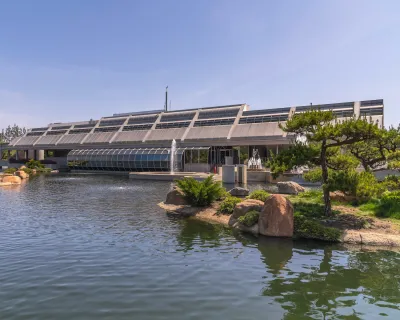
Los Angeles will double the capacity of the Donald C. Tillman Water Reclamation Plant to 45 million gallons per day, almost twice the original plan for the facility.
As Ian James reports for the Los Angeles Times, this will provide water to 500,000 Angelenos and enable the city to stop taking water from mountain streams that feed Mono Lake, a ecologically significant and threatened water body more than 300 miles north of LA.
The project, slated for completion in 2027, will increase LA’s water security, providing a secure, local source of water. “The drinking water the plant produces will be piped 10 miles to a series of dirt basins that spread out beside the Hansen Dam Golf Course, where it will percolate into the soil and replenish groundwater. The water can then be pumped out by wells, and once tested and treated further, it will enter pipes and be delivered to taps.”
Notably, Los Angeles is not giving up its right to Mono Lake water, which it could still draw on during severe droughts or other emergencies.
FULL STORY: Los Angeles will nearly double recycled water for 500,000 residents

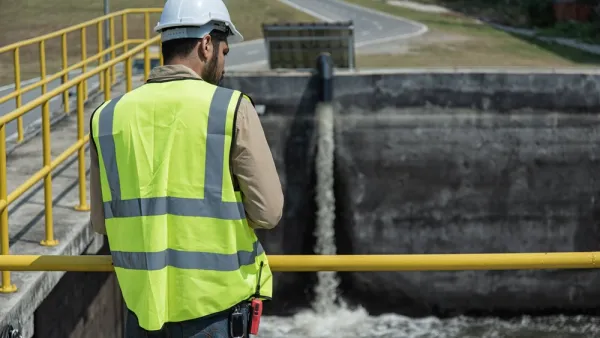
Boise To Test Wastewater Recycling Tech
The city will launch a pilot program to assess five methods of treating wastewater to identify the most effective solution for a scaled-up program.
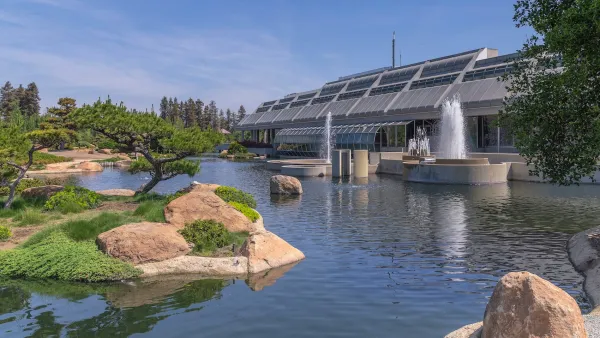
Southern California water agencies accelerate reuse and recycling projects
From desalination to wastewater recycling, California officials are promoting more reclamation projects as the Southwest remains in drought.
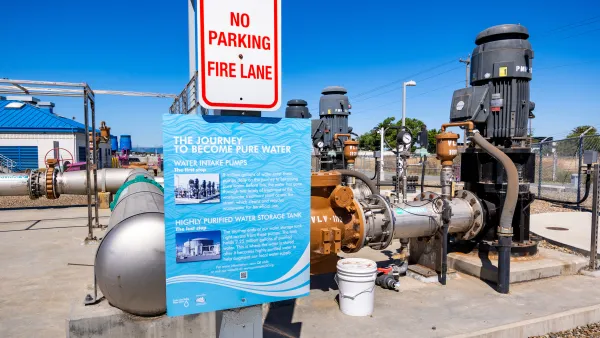
A Model for Wastewater Recycling in San Francisco
Decentralized wastewater recycling systems take water conservation a step further by reducing the need for external infrastructure and keeping water recycling and reuse -in-house.’

Planetizen Federal Action Tracker
A weekly monitor of how Trump’s orders and actions are impacting planners and planning in America.

The state-sanctioned urbicide of Austin
People don’t kill cities. Freeways do.

US to reduce Colorado River water deliveries to Mexico
A new Colorado Treaty amendment reduces Mexico’s Colorado River water allocation by 250,000 acre feet.

Baltimore to break ground on $50 million Transit Priority Project
The project will bring faster bus trips, safer streets and better bike connections to Baltimore.

Airbnb launches $250 million 'last-dollar financing' housing accelerator, makes first investment in Austin
The company will put $6.4 million towards affordable housing development in Texas’ capital.

Guerilla urbanists are building DIY bus stop benches in Chicago
A before-and-after of one of the bus stops with a new bench. The new benches are not officially sanctioned or permitted, but the residents who placed them hope they will be the start of a network of DIY benches across the city.

FREE Course: Walkable City 1: Why Walkability?
After describing his path towards focusing on walkability as the essence of good planning, Jeff Speck marches through his five principal reasons for making more walkable places.
Reinventing Malls: Planning Alchemy—Turning Gray Fields Into Gold
The course focuses on the opportunities and imperatives that shape reinvention of mall sites.

Eagle County Government
Harvard University Graduate School of Design
Nashville Planning Department
The Architects Foundation
University of Cincinnati Online
The Pocatello Development Authority
The Urban Renewal Agency of the City of Pocatello
Journal of the American Planning Association