L.A. County is investing in dune restoration and nature-based shoreline projects at Zuma, Redondo, and Dockweiler beaches to protect the coast and keep beaches accessible for communities.


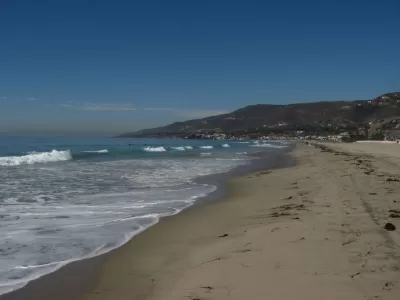
The Los Angeles County Regional Park and Open Space District (RPOSD) has awarded $5.1 million to the L.A. County Department of Beaches and Harbors (DBH) to advance “living shoreline” projects at Dockweiler, Zuma, and Redondo beaches. These efforts use dunes and native vegetation to protect against sea level rise and storms while ensuring continued public access. The Measure A funding will move the projects into planning, design, and environmental review phases, marking a major investment in coastal resilience.
The largest share, $3.1 million, will support widening and dune restoration at Zuma Beach, with benefits expected to extend to Point Dume. Redondo Beach will receive $1.7 million for new dune habitat and beach expansion, while Dockweiler State Beach will use $230,000 for smaller-scale interventions such as sand barriers, invasive plant removal, and native vegetation planting. County leaders emphasized that these projects advance both resilience and equity, ensuring safe, welcoming coastal spaces for families who rely on beaches for recreation and relief from extreme heat.
As reported by Maaz Alin, the living shoreline initiative builds on DBH’s broader Coastal Resilience Initiative, which works with natural systems to protect beaches rather than relying on concrete seawalls. These projects show how targeted investments can safeguard ecosystems, strengthen community access, and preserve iconic stretches of Los Angeles County’s coastline for generations to come.
FULL STORY: L.A. County Awards $5.1 Million for Living Shoreline Beach Protection Projects

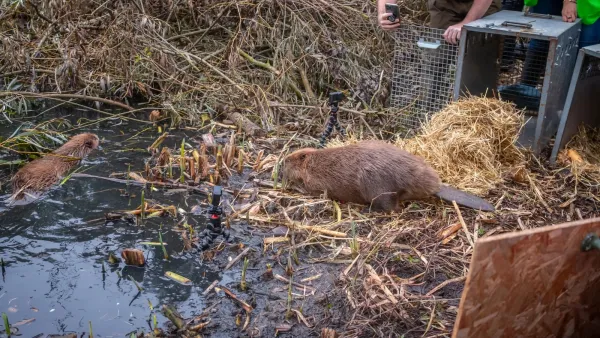
Beavers save London Tube station from flooding
A small group of beavers is increasing biodiversity and creating cost-free flood mitigation infrastructure.
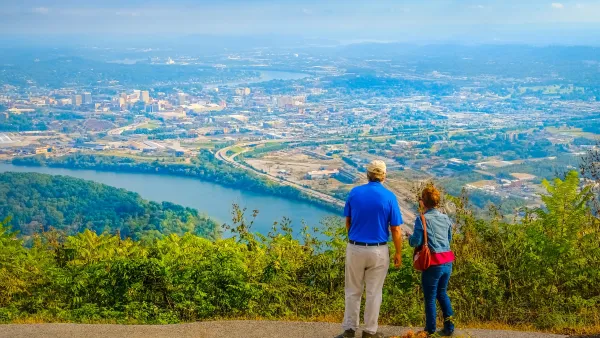
Chattanooga Earns North America’s First ‘National Park City’ Designation
The award recognizes cities that prioritize biodiversity and resident access to parks and green spaces.
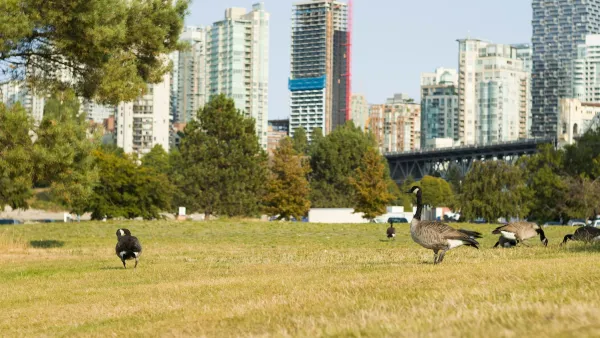
Study: How Urban Parks Can Support Biodiversity
Conservation and recreation can go hand in hand in urban green spaces designed to serve both humans and local wildlife.

The state-sanctioned urbicide of Austin
People don’t kill cities. Freeways do.

US to reduce Colorado River water deliveries to Mexico
A new Colorado Treaty amendment reduces Mexico’s Colorado River water allocation by 250,000 acre feet.

New Jersey’s second-largest city bans standalone data centers
Jersey City will continue to allow co-location facilities, such as those meant for research institutions that store their own data.

Amtrak not solely to blame for New Jersey commuter rail's unreliability, report finds
A new study from the Garden State Initiative found that NJ Transit’s budget grew 20% across a 4 year period, but reliability declined significantly over the same period.

EPA erases limits on planet-warming pollution from power plants
Under Monday’s plan, power plants would still have some limits on how much mercury, arsenic and other contaminants they can emit.

Phoenix announces new on-demand transit service, more frequent RAPID buses
Both new services will launch in October, and are part of Phoenix's Project Effective Access Solutions for Easing Congestion.

FREE Course: Walkable City 1: Why Walkability?
After describing his path towards focusing on walkability as the essence of good planning, Jeff Speck marches through his five principal reasons for making more walkable places.
Reinventing Malls: Planning Alchemy—Turning Gray Fields Into Gold
The course focuses on the opportunities and imperatives that shape reinvention of mall sites.

Eagle County Government
Harvard University Graduate School of Design
Nashville Planning Department
The Architects Foundation
University of Cincinnati Online
The Pocatello Development Authority
The Urban Renewal Agency of the City of Pocatello
Journal of the American Planning Association