After the end of their useful life in electric cars, batteries can be repurposed to stabilize the electricity supply.


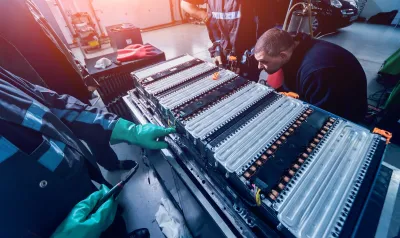
In Texas, retired EV batteries are being repurposed to shore up the state’s unstable electric grid, reports Arcelia Martin in Inside Climate News.
The project is led by B2U Storage Solutions, which will reuse the key materials in the batteries to extend their life for another eight years. “Once the site is built and in operation later this year, the batteries will charge when there is an excess of renewable energy production on the grid and the cost of power is cheap. The Texas facility will have a total capacity of 24 megawatt hours.” Another company, Element Energy, began storing power using retired EV batteries in Texas last year.
According to Martin, “Batteries have made significant capacity contributions within Texas’ electric grid in recent years and have been credited with helping prevent summer blackouts by bolstering grid reliability.” As more EVs hit U.S. roads, more batteries will be available for repurposing. According to Freeman Hall, B2U co-founder and CEO, the technology hasn’t gotten much buzz yet, “But you will be hearing a lot more about it going forward.”
FULL STORY: Hundreds of Old EV Batteries Have New Jobs in Texas: Stabilizing the Grid

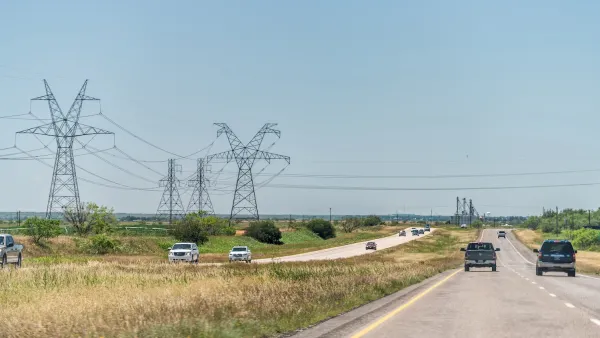
Texas Grapples with How to Power New Data Centers That Consume More Energy than Cities
The state’s utility grid operator is scrambling to adjust its planning processes to meet a skyrocketing number of interconnection requests.
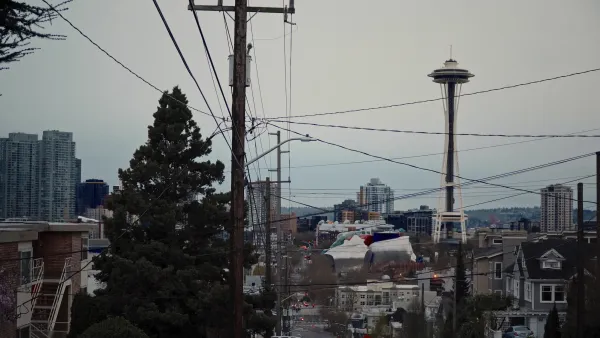
Seattle Density Increase Stymied by Underground Power Line Requirement
A new policy that requires buildings with four or more units to bury their electrical lines is making housing development more costly and causing months-long delays.
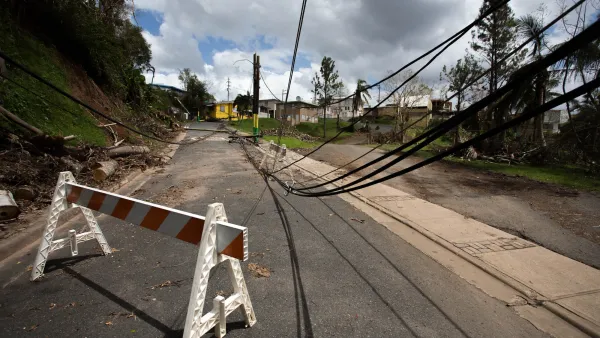
Bad Bunny's Iconic Electrical Pole Moment Highlights Puerto Rico’s Devastating Power Outages
The Reggaeton star’s halftime show included countless nods to his homeland, including a reference to the island’s ongoing power crisis.

Planetizen Federal Action Tracker
A weekly monitor of how Trump’s orders and actions are impacting planners and planning in America.

The state-sanctioned urbicide of Austin
People don’t kill cities. Freeways do.

US to reduce Colorado River water deliveries to Mexico
A new Colorado Treaty amendment reduces Mexico’s Colorado River water allocation by 250,000 acre feet.

Baltimore to break ground on $50 million Transit Priority Project
The project will bring faster bus trips, safer streets and better bike connections to Baltimore.

Airbnb launches $250 million 'last-dollar financing' housing accelerator, makes first investment in Austin
The company will put $6.4 million towards affordable housing development in Texas’ capital.

Guerilla urbanists are building DIY bus stop benches in Chicago
A before-and-after of one of the bus stops with a new bench. The new benches are not officially sanctioned or permitted, but the residents who placed them hope they will be the start of a network of DIY benches across the city.

FREE Course: Walkable City 1: Why Walkability?
After describing his path towards focusing on walkability as the essence of good planning, Jeff Speck marches through his five principal reasons for making more walkable places.
Reinventing Malls: Planning Alchemy—Turning Gray Fields Into Gold
The course focuses on the opportunities and imperatives that shape reinvention of mall sites.

Eagle County Government
Harvard University Graduate School of Design
Nashville Planning Department
The Architects Foundation
University of Cincinnati Online
The Pocatello Development Authority
The Urban Renewal Agency of the City of Pocatello
Journal of the American Planning Association