Programs supported by federal and state programs are on the brink of losing funding, putting thousands of homeless and at-risk residents in jeopardy.



More than a dozen homelessness programs are facing cuts in San Diego County if federal funding and other revenue sources dry up, reports Blake Nelson in Governing.
As Nelson explains, “Service organizations have long had to rely on funding from a range of sources, from federal grants to one-off donations, making their work dependent on a patchwork of benefactors with differing rules and deadlines.” This makes it difficult for organizations to plan for long-term projects and retain staff.
In San Diego, experts estimate at-risk funds make up roughly $94 million, and local leaders are calling for more dedicated local sources of funding that don’t depend on outside support. According to Nelson, “The 18 programs facing possible cuts include initiatives that put up homeless residents in hotels (through the Regional Homeless Assistance Program), provide space to safely sleep in cars (Magnolia Safe Parking Program), clear encampments (Harmony Cleanup and Abatement) and help older adults on the brink of homelessness stay housed (Pilot Shallow Rental Subsidy Program).”
FULL STORY: 18 Homelessness Programs Face Cuts in San Diego County

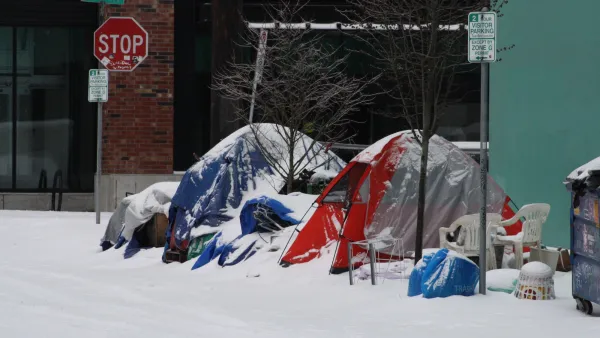
Portland Service Providers Say Mayor’s Methods for Ending Homelessness ‘Least Effective’
Experts say the mayor’s focus on overnight-only shelters fails to get people into long-term housing with the supportive services they need.
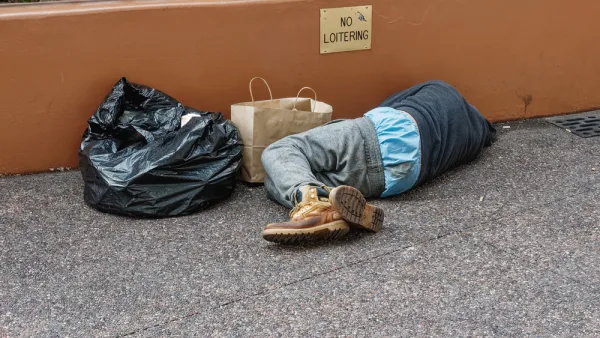
Housing, Supportive Service Providers Brace for Federal Cuts
Organizations that provide housing assistance are tightening their purse strings and making plans for maintaining operations if federal funding dries up.
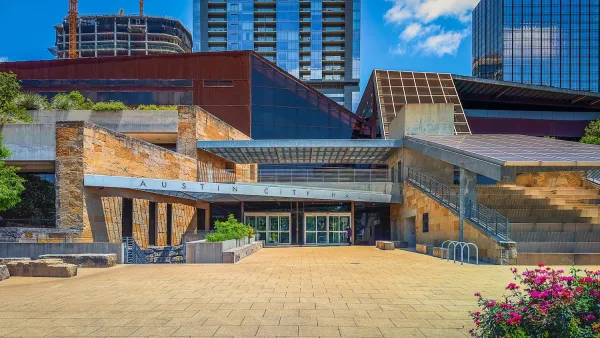
Austin Launches $2M Homelessness Prevention Fund
A new grant program from the city’s Homeless Strategy Office will fund rental assistance and supportive services.

Planetizen Federal Action Tracker
A weekly monitor of how Trump’s orders and actions are impacting planners and planning in America.

The state-sanctioned urbicide of Austin
People don’t kill cities. Freeways do.

US to reduce Colorado River water deliveries to Mexico
A new Colorado Treaty amendment reduces Mexico’s Colorado River water allocation by 250,000 acre feet.

5 New England states march closer to 800 megawatt wind energy project
Securing federal approval for the project may be complicated under the Trump administration, which has historically been hostile towards domestic wind power.

Baltimore to break ground on $50 million Transit Priority Project
The project will bring faster bus trips, safer streets and better bike connections to Baltimore.

Airbnb launches $250 million 'last-dollar financing' housing accelerator, makes first investment in Austin
The company will put $6.4 million towards affordable housing development in Texas’ capital.

FREE Course: Walkable City 1: Why Walkability?
After describing his path towards focusing on walkability as the essence of good planning, Jeff Speck marches through his five principal reasons for making more walkable places.
Reinventing Malls: Planning Alchemy—Turning Gray Fields Into Gold
The course focuses on the opportunities and imperatives that shape reinvention of mall sites.

Eagle County Government
Harvard University Graduate School of Design
Nashville Planning Department
The Architects Foundation
University of Cincinnati Online
The Pocatello Development Authority
The Urban Renewal Agency of the City of Pocatello
Journal of the American Planning Association