The Regional Cities Initiative funded economic development projects and capacity building to help local agencies collaborate more effectively to promote growth.


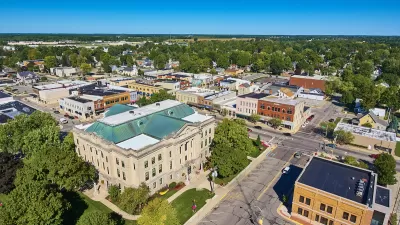
A study from Ball State University’s Center for Business and Economic Research (CBER) shows that Indiana’s Regional Cities Initiative (RCI), a state program launched in 2015 designed to boost economic development and improve quality of life through regional planning, spurred close to $1.6 billion in economic activity in areas where the program was deployed.
“The RCI regions experienced boosts in GDP, population, and employment, with an estimated average of 1,088 additional jobs and $37 million in GDP per year,” the study found. “In Northeast Indiana, for example, investments in infrastructure and urban development have revitalized downtown areas and bolstered local economies.”
The initiative funded projects such as recreational facilities, housing developments, and broadband. It also provided capacity building and promoted collaboration between local agencies and regional planning, and provided key funding for projects to get off the ground.
The study concluded that “Well-targeted, place-based programs with substantial local involvement have proven instrumental in driving substantial economic outcomes, as evidenced by the initiative's success.”
FULL STORY: Ball State University Study Highlights $1.6 Billion Impact of Indiana’s Regional Cities Initiative

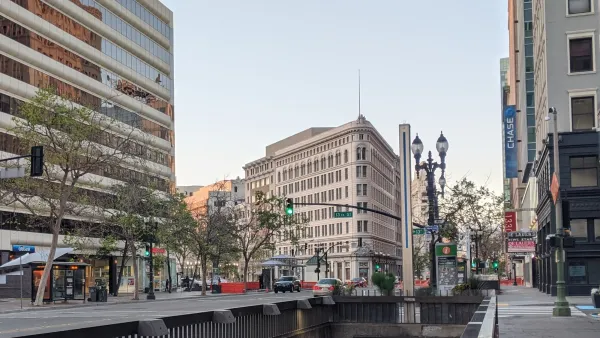
Oakland Drafts First Revision of General Plan Since 1998
The public has until April 23 to comment on the sweeping plan that addresses land use, transportation, and infrastructure.
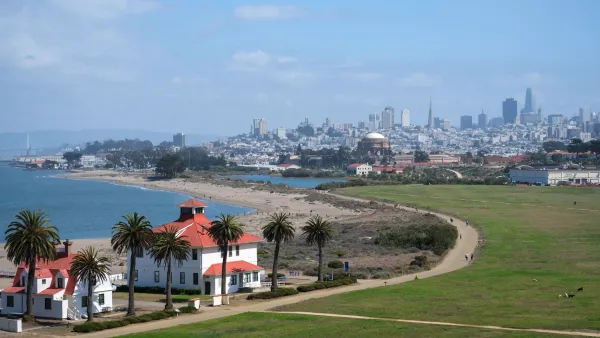
Bay Area 2050+ Plan Prepares Region for Nearly 5 Feet of Sea Level Rise
The regional plan includes its first ever resilience project list, prioritizing infrastructure projects that can protect the area from sea level rise.
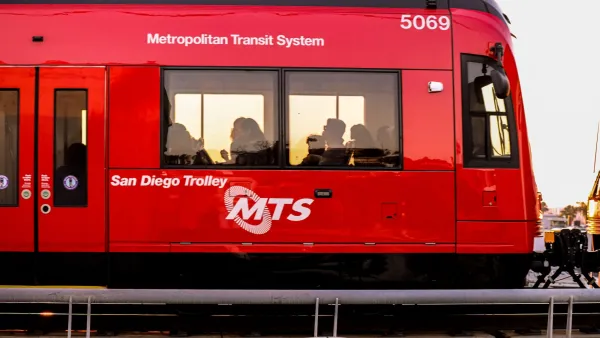
San Diego Regional Transportation Plan Shifts Away From Big Projects to Focus on Improving Existing Infrastructure
SANDAG’s 2025 Regional Plan scales down plans for new rail lines in favor of expanding rapid bus service.

Planetizen Federal Action Tracker
A weekly monitor of how Trump’s orders and actions are impacting planners and planning in America.

The state-sanctioned urbicide of Austin
People don’t kill cities. Freeways do.

US to reduce Colorado River water deliveries to Mexico
A new Colorado Treaty amendment reduces Mexico’s Colorado River water allocation by 250,000 acre feet.

5 New England states march closer to 800 megawatt wind energy project
Securing federal approval for the project may be complicated under the Trump administration, which has historically been hostile towards domestic wind power.

Baltimore to break ground on $50 million Transit Priority Project
The project will bring faster bus trips, safer streets and better bike connections to Baltimore.

Airbnb launches $250 million 'last-dollar financing' housing accelerator, makes first investment in Austin
The company will put $6.4 million towards affordable housing development in Texas’ capital.

FREE Course: Walkable City 1: Why Walkability?
After describing his path towards focusing on walkability as the essence of good planning, Jeff Speck marches through his five principal reasons for making more walkable places.
Reinventing Malls: Planning Alchemy—Turning Gray Fields Into Gold
The course focuses on the opportunities and imperatives that shape reinvention of mall sites.

Eagle County Government
Harvard University Graduate School of Design
Nashville Planning Department
The Architects Foundation
University of Cincinnati Online
The Pocatello Development Authority
The Urban Renewal Agency of the City of Pocatello
Journal of the American Planning Association