Skyrocketing home values are driving up property tax bills, putting lower-income homeowners at risk of losing their homes.



There has been a lot of talk about how soaring home values, along with high interest rates, are making home ownership unaffordable for the majority of Americans. But it’s not just impacting home buyers. The average single family home price shot up nearly 40 percent over the last three years, resulting in increased property taxes for millions of homeowners. It’s a problem for fixed-income retirees and low-income homeowners in particular because property taxes tend to take a larger percentage of their income and they are at higher risk of losing their house when that bill skyrockets.
In response, state lawmakers across the country are seeking to ease the burden, reports Kevin Hardy from Stateline. Last year, Idaho legislature approved nearly $100 million in property tax relief for homeowners in the state’s most populous county and home to Boise, Ada County. That amounted to a median cut of more than $500 per home. Montana is offering rebates of up to $675 for 2023 and 2024, and has launched a task force charged with proposing a longer-term relief plan. In Wyoming, organizers are seeking to put a relief measure on the statewide ballot after legislative efforts failed. And Nebraska Gov. Jim Pillen has proposed to offset a property tax reduction with a sales tax increase.
Jared Walczak, vice president of state projects at the Tax Foundation, told Stateline he expects many other states—both blue and red—to tackle the issue this year.
Critics of across-the-board property cuts many states are considering say they are not sustainable, particularly when state revenues decline. Some are concerned such cuts could erode revenue for school districts and local governments. Alternatives to cuts include capping how much valuations of a home can rise each year or restricting the amount rates can increase.
FULL STORY: State lawmakers seek to limit property tax increases as home values soar

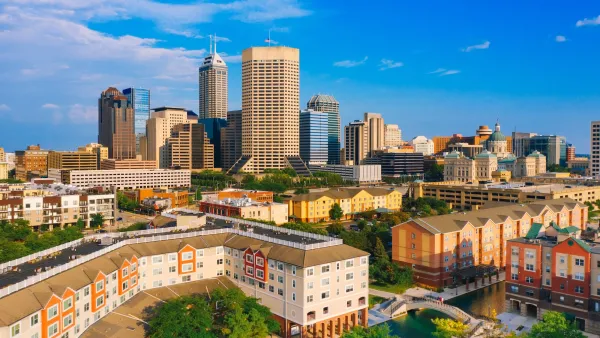
Indianapolis rents grew by 30% since 2020
The metro area has a shortage of roughly 137,000 affordable homes for the lowest-income households.
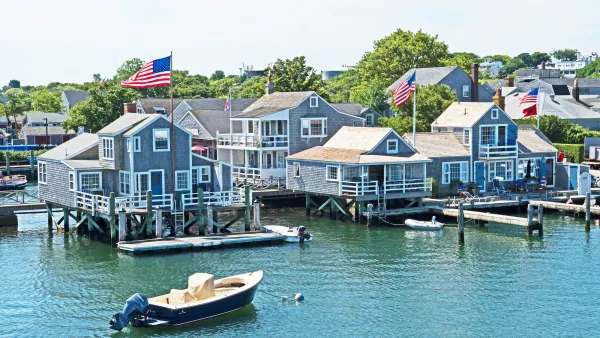
In Nantucket, where over half of homes are for seasonal use, workers struggle to find affordable housing
The island is short roughly 892 to 1,081 rental units.
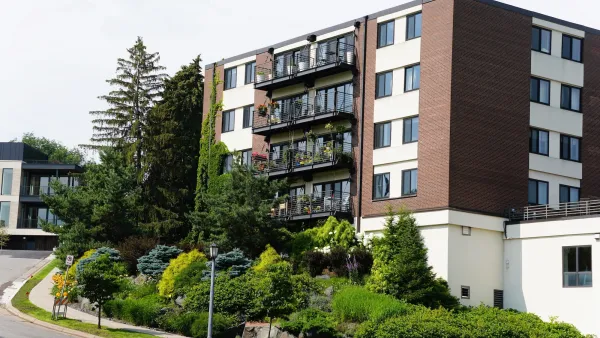
How policy changes helped Minneapolis beat rent inflation
Despite a boom in population, Minneapolis has managed to keep rents relatively steady through a combination of legislative action and private investment.

Planetizen Federal Action Tracker
A weekly monitor of how Trump’s orders and actions are impacting planners and planning in America.

The state-sanctioned urbicide of Austin
People don’t kill cities. Freeways do.

US to reduce Colorado River water deliveries to Mexico
A new Colorado Treaty amendment reduces Mexico’s Colorado River water allocation by 250,000 acre feet.

5 New England states march closer to 800 megawatt wind energy project
Securing federal approval for the project may be complicated under the Trump administration, which has historically been hostile towards domestic wind power.

Baltimore to break ground on $50 million Transit Priority Project
The project will bring faster bus trips, safer streets and better bike connections to Baltimore.

Airbnb launches $250 million 'last-dollar financing' housing accelerator, makes first investment in Austin
The company will put $6.4 million towards affordable housing development in Texas’ capital.

FREE Course: Walkable City 1: Why Walkability?
After describing his path towards focusing on walkability as the essence of good planning, Jeff Speck marches through his five principal reasons for making more walkable places.
Reinventing Malls: Planning Alchemy—Turning Gray Fields Into Gold
The course focuses on the opportunities and imperatives that shape reinvention of mall sites.

Eagle County Government
Harvard University Graduate School of Design
Nashville Planning Department
The Architects Foundation
University of Cincinnati Online
The Pocatello Development Authority
The Urban Renewal Agency of the City of Pocatello
Journal of the American Planning Association