Urban farmers in Missouri can receive up to $5,000 in tax credits to establish or expand their operations.


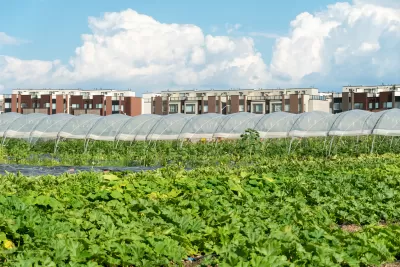
Missouri announced in December a new tax credit program aimed at encouraging urban farming in cities throughout the state. “The program involves urban farmers who spent up to $10,000 on establishing or improving an operation could receive half of that back on taxes. The state says the total tax credit pool for the initiative is $200,000,” reports Wayne Pratt of St. Louis Public Radio.
The program was created in response to increased popularity of urban agriculture in Missouri and is aimed at helping people who want to feed others. Current and would-be farmers in 82 urban centers across the state are eligible.
Though the tax credit isn’t specifically targeted to food insecure areas, Jacob Stoehr with the Missouri Agricultural and Small Business Development Authority told St. Louis Public Radio, "we do have a lot of people who don't have access to fresh, local, fruits and vegetables so I think this program is a good step in addressing that issue."
The credit also comes as the United States Department of Agriculture and others grow increasingly concerned about the impact of an aging farming workforce on U.S. food systems. The average American farmer is 57.5 years old, up significantly from 50 in 1978. Cost is one of the largest barriers to younger people, particularly those not born into multigenerational farming families, to entering the agricultural profession.
FULL STORY: Missouri is implementing tax credits to boost urban farming


Urban Farming Addressing Hunger (and More) in Pittsburgh
Urban farming provides opportunities to increase food security in addition to other benefits.
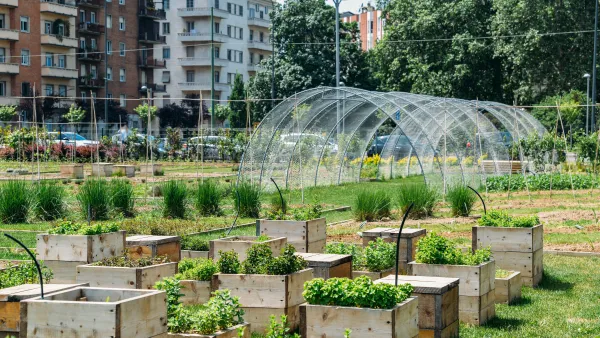
Urban Ag Activists Up In Arms About New Study
Researchers looked at the carbon footprint of urban farming versus conventional, and the results were surprising.
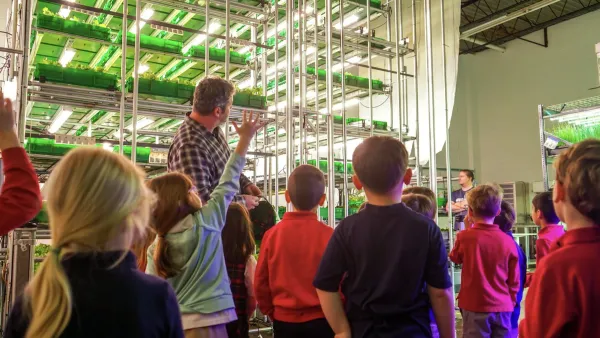
A Multimillion Dollar Virginia Company is Turning Empty Office Buildings Into Farms
Area 2 Farms envisions a world where 90% of the U.S. population lives within 10 miles of an indoor farm.

Planetizen Federal Action Tracker
A weekly monitor of how Trump’s orders and actions are impacting planners and planning in America.

The state-sanctioned urbicide of Austin
People don’t kill cities. Freeways do.

US to reduce Colorado River water deliveries to Mexico
A new Colorado Treaty amendment reduces Mexico’s Colorado River water allocation by 250,000 acre feet.

Baltimore to break ground on $50 million Transit Priority Project
The project will bring faster bus trips, safer streets and better bike connections to Baltimore.

Airbnb launches $250 million 'last-dollar financing' housing accelerator, makes first investment in Austin
The company will put $6.4 million towards affordable housing development in Texas’ capital.

Guerilla urbanists are building DIY bus stop benches in Chicago
A before-and-after of one of the bus stops with a new bench. The new benches are not officially sanctioned or permitted, but the residents who placed them hope they will be the start of a network of DIY benches across the city.

FREE Course: Walkable City 1: Why Walkability?
After describing his path towards focusing on walkability as the essence of good planning, Jeff Speck marches through his five principal reasons for making more walkable places.
Reinventing Malls: Planning Alchemy—Turning Gray Fields Into Gold
The course focuses on the opportunities and imperatives that shape reinvention of mall sites.

Eagle County Government
Harvard University Graduate School of Design
Nashville Planning Department
The Architects Foundation
University of Cincinnati Online
The Pocatello Development Authority
The Urban Renewal Agency of the City of Pocatello
Journal of the American Planning Association