While a statewide eviction moratorium is still in place, the example of Upland in Southern California suggests that local eviction moratoriums might not withstand legal controversies.



"In a complete reversal, the Upland City Council this week repealed its ordinance that protected commercial and residential tenants from evictions during the novel coronavirus pandemic," reports Steve Scauzillo.
"Out of 127 California cities and counties that have passed such measures, Upland and one other, the city of Duarte in eastern Los Angeles County, have rescinded eviction moratoriums, according to data compiled by the California Apartment Owners Association."
Upland city officials made the decision to rescind after lawyers for local landlords sent a letter threatening to sue the city over the eviction moratorium approved on March 31.
"A letter from attorney Douglas J. Dennington says his clients, which include owners of several large apartment complexes in the city, will incur millions of dollars in losses from non-payment of rents and that they will sue the city to recover lost revenues and legal fees," reports Scauzillo.
Upland tenants are not entirely without protections, however. The state of California still has an eviction moratorium in place, with backing from the state's Judicial Council. The article describes the potential for local governments to encounter a "legal morass" when duplicating or expand the statewide moratorium. Even the League of California Cities is choosing not to advise cities on what tenant protection policies to enact during the pandemic.
FULL STORY: Upland repeals ban on evictions after landlords threaten to sue the city


Philadelphia Kicks off $2 Billion Plan to Create 30,000 Housing Units
The city council approved the first loan for an affordable housing effort championed by Mayor Cherelle Parker.
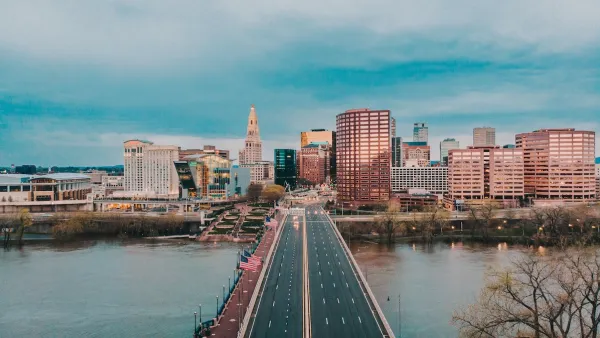
Connecticut Program Prevented Eviction for Thousands of Households
A ‘right to counsel’ program that offers legal aid to residents facing eviction has saved the state $36 million.
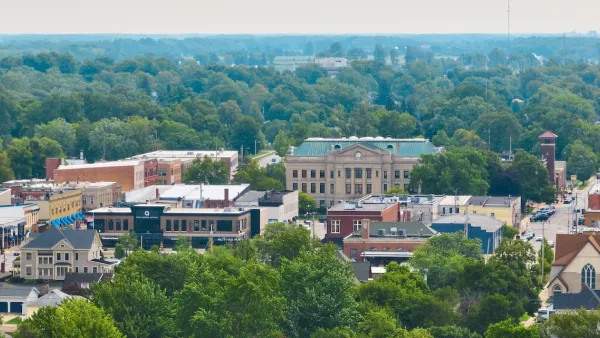
DeKalb County Launches Housing Assistance Program
The $13 million initiative will support local organizations providing wrap-around services and housing assistance to residents at risk of eviction or experiencing homelessness.

Planetizen Federal Action Tracker
A weekly monitor of how Trump’s orders and actions are impacting planners and planning in America.

The state-sanctioned urbicide of Austin
People don’t kill cities. Freeways do.

US to reduce Colorado River water deliveries to Mexico
A new Colorado Treaty amendment reduces Mexico’s Colorado River water allocation by 250,000 acre feet.

5 New England states march closer to 800 megawatt wind energy project
Securing federal approval for the project may be complicated under the Trump administration, which has historically been hostile towards domestic wind power.

Baltimore to break ground on $50 million Transit Priority Project
The project will bring faster bus trips, safer streets and better bike connections to Baltimore.

Airbnb launches $250 million 'last-dollar financing' housing accelerator, makes first investment in Austin
The company will put $6.4 million towards affordable housing development in Texas’ capital.

FREE Course: Walkable City 1: Why Walkability?
After describing his path towards focusing on walkability as the essence of good planning, Jeff Speck marches through his five principal reasons for making more walkable places.
Reinventing Malls: Planning Alchemy—Turning Gray Fields Into Gold
The course focuses on the opportunities and imperatives that shape reinvention of mall sites.

Eagle County Government
Harvard University Graduate School of Design
Nashville Planning Department
The Architects Foundation
University of Cincinnati Online
The Pocatello Development Authority
The Urban Renewal Agency of the City of Pocatello
Journal of the American Planning Association