It will be a quick transition from record spending on home renovations to a steep decline in spending, according to a new report.


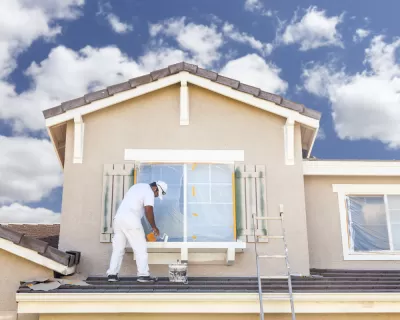
"While renovation spending rose to a record at the end of June and likely will reach a new high by the end of 2019, a slowdown is on the horizon," reports Kathleen Howley.
Howley is sharing data from data in the June 2019 "Leading Indicator of Remodeling Activity," published by the Joint Center for Housing Studies of Harvard University.
"Americans spent $322 billion on remodeling and home repairs during the 12 months ending in June, a 6.8% jump from a year earlier," explains Howley. But the report also predicts spending to slow next year.
"Declining home sales and home-building activity coupled with slower gains in permitting for improvement projects will put the brakes on remodeling growth," according to the words of Chris Herbert, the center’s managing director, as quoted in the article.
"For all of 2019, remodeling spending will probably total a record $331 billion, according to the index. By the end of 2020's second quarter, the furthest projection in the index, spending over the prior 12 months will probably total $323 billion," writes Howley.
FULL STORY: Renovation spending will slow in 2020 after record-setting year, Harvard report says


Affordable Housing Renovations Halt Mid-Air Amidst DOGE Clawbacks
HUD may rescind over a billion dollars earmarked for green building upgrades.

Trump Administration Takes Aim at Transportation Research
Researchers warn of a “chilling environment” as studies examining road safety and other topics are killed off and layoffs hit federal agencies.
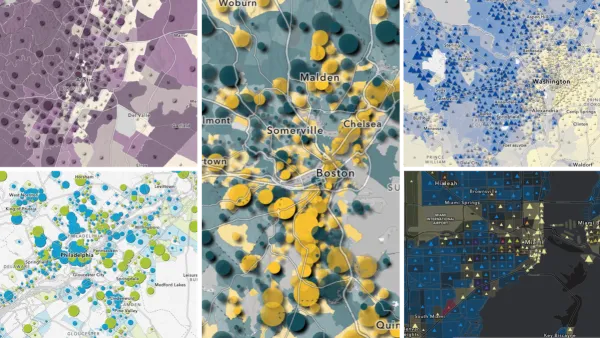
Explore US Demographics With the New ACS Atlas Collection
Esri's new ACS Atlas Collection offers interactive applications that visualize the latest U.S. demographic and socio-economic data, enabling users to explore over 175 curated web maps across various thematic areas.

The state-sanctioned urbicide of Austin
People don’t kill cities. Freeways do.

US to reduce Colorado River water deliveries to Mexico
A new Colorado Treaty amendment reduces Mexico’s Colorado River water allocation by 250,000 acre feet.

New Jersey’s second-largest city bans standalone data centers
Jersey City will continue to allow co-location facilities, such as those meant for research institutions that store their own data.

Amtrak not solely to blame for New Jersey commuter rail's unreliability, report finds
A new study from the Garden State Initiative found that NJ Transit’s budget grew 20% across a 4 year period, but reliability declined significantly over the same period.

EPA erases limits on planet-warming pollution from power plants
Under Monday’s plan, power plants would still have some limits on how much mercury, arsenic and other contaminants they can emit.

Phoenix announces new on-demand transit service, more frequent RAPID buses
Both new services will launch in October, and are part of Phoenix's Project Effective Access Solutions for Easing Congestion.

FREE Course: Walkable City 1: Why Walkability?
After describing his path towards focusing on walkability as the essence of good planning, Jeff Speck marches through his five principal reasons for making more walkable places.
Reinventing Malls: Planning Alchemy—Turning Gray Fields Into Gold
The course focuses on the opportunities and imperatives that shape reinvention of mall sites.

Eagle County Government
Harvard University Graduate School of Design
Nashville Planning Department
The Architects Foundation
University of Cincinnati Online
The Pocatello Development Authority
The Urban Renewal Agency of the City of Pocatello
Journal of the American Planning Association