The U.S. Department of Housing and Urban Development is desperately in need of reform in its system of inspections and enforcement of living conditions in public housing.


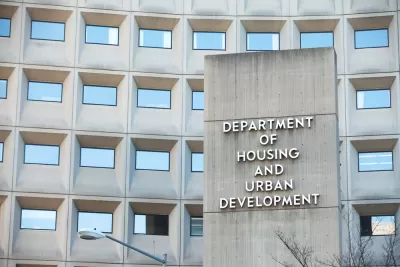
Molly Parker shares the findings of an investigation by The Southern Illinoisan and ProPublica into health inspection practices at the Department of Housing and urban Development (HUD). The problems are systematic, according to Parker.
…as thousands of renters across the country have discovered, passing scores on HUD inspections often don’t match the reality of renters’ living conditions. The two-decade-old inspection system — the federal housing agency’s primary oversight tool — is failing low-income families, seniors and people with disabilities and undermining the agency’s oversight of billions of dollars in taxpayer-funded rental subsidies…
There's much more on HUD's inspection system—its history and the potential for reform—in the article, in addition to examples of HUD's failures to enforce health standards in public housing in the Southern Illinois region.
In late October, HUD Secretary Ben Caron pledged to lead a "wholesale re-examination" of the inspection process.
According to a separate article written by Suzy Khimm, Laura Strickler, Hannah Rappleye, and Stephanie Gosk, and published a few days before Parker's article, another investigation has found "the number of HUD apartments cited for unsafe, unhealthy and physically deteriorating living conditions has been on the rise. [during the Trump administration]."
"An NBC News investigation has found that more than 1,000 out of HUD’s nearly 28,000 federally subsidized multifamily properties failed their most recent inspection — a failure rate that is more than 30 percent higher than in 2016," according to the article.
FULL STORY: 'Pretty Much a Failure': HUD inspections pass dangerous apartments filled with rats, roaches and toxic mold

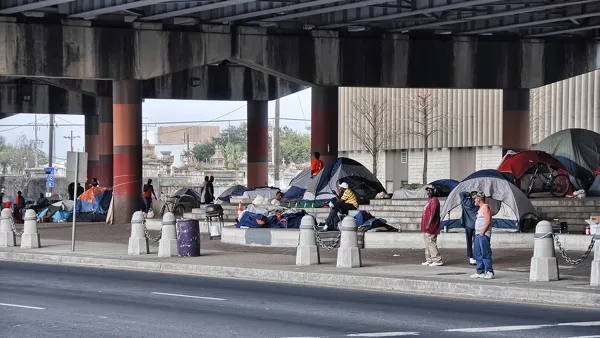
HUD's New 'Find Shelter' Website Offers Support for Struggling Americans
The U.S. Department of Housing and Urban Development launched the Find Shelter tool earlier in January.

Outrage Over Trump's Fair Housing Victory Lap
President Trump took to Twitter today to celebrate his administration's decision to rescind the Affirmatively Furthering Fair Housing rule, approved by the Obama administration to strengthen the Fair Housing Act of 1968.
President Trump Stirs the Fair Housing Pot, Again
In a move probably made to appeal to suburban voters in an election year, President Trump sent a late night tweet claiming that the Obama-era Affirmatively Furthering Fair Housing Rule is having a 'devastating impact' on suburbs.

The state-sanctioned urbicide of Austin
People don’t kill cities. Freeways do.

US to reduce Colorado River water deliveries to Mexico
A new Colorado Treaty amendment reduces Mexico’s Colorado River water allocation by 250,000 acre feet.

New Jersey’s second-largest city bans standalone data centers
Jersey City will continue to allow co-location facilities, such as those meant for research institutions that store their own data.

Amtrak not solely to blame for New Jersey commuter rail's unreliability, report finds
A new study from the Garden State Initiative found that NJ Transit’s budget grew 20% across a 4 year period, but reliability declined significantly over the same period.

EPA erases limits on planet-warming pollution from power plants
Under Monday’s plan, power plants would still have some limits on how much mercury, arsenic and other contaminants they can emit.

Phoenix announces new on-demand transit service, more frequent RAPID buses
Both new services will launch in October, and are part of Phoenix's Project Effective Access Solutions for Easing Congestion.

FREE Course: Walkable City 1: Why Walkability?
After describing his path towards focusing on walkability as the essence of good planning, Jeff Speck marches through his five principal reasons for making more walkable places.
Reinventing Malls: Planning Alchemy—Turning Gray Fields Into Gold
The course focuses on the opportunities and imperatives that shape reinvention of mall sites.

Eagle County Government
Harvard University Graduate School of Design
Nashville Planning Department
The Architects Foundation
University of Cincinnati Online
The Pocatello Development Authority
The Urban Renewal Agency of the City of Pocatello
Journal of the American Planning Association