Affordability is elusive in many of America's cities, but some of them made concrete efforts to fight that trend in 2017.


The urban affordability crisis may seem intractable, but that didn't stop several cities from butting their heads against it last year. Here, Rachel Dovey goes through some of the more prominent efforts.
They include linkage fees (or impact fees), which saw traction in Denver and Los Angeles after some fits and starts. Inclusionary zoning is another option, and Dovey covers Detroit and Atlanta's work on that front.
More unconventional strategies include "buy-down" programs sponsored by corporations, "in which the city would purchase empty high-end apartments and then subsidize their rents for lower-income families with the help of corporate funding." In Denver, Chipotle is the first "employer partner" to try its hand at this. Atlanta has announced its intention to try similar partnerships.
In both the U.S. and Canada, some cities are emphasizing so-called "gentle density" as a means to circumvent neighborhood opposition to bigger projects. And by banding together, 14 Boston-area cities and municipalities want to coordinate more residential construction throughout the region.
FULL STORY: How Cities Preserved Affordable Housing in 2017

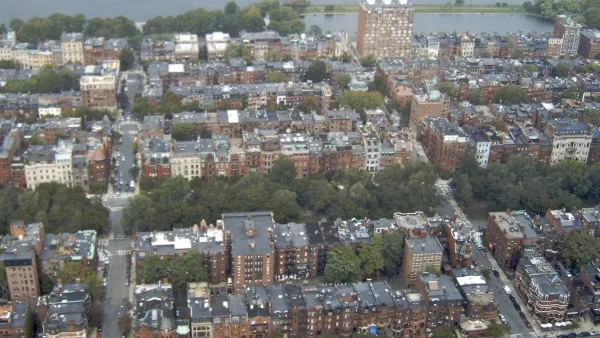
Boston Mayor's Proposal Would Allow More Increases in City Linkage Fees
Developers pay impact fees to fund affordable housing and job programs, but the mayor wants the city to have more discretion around changing the requirements.
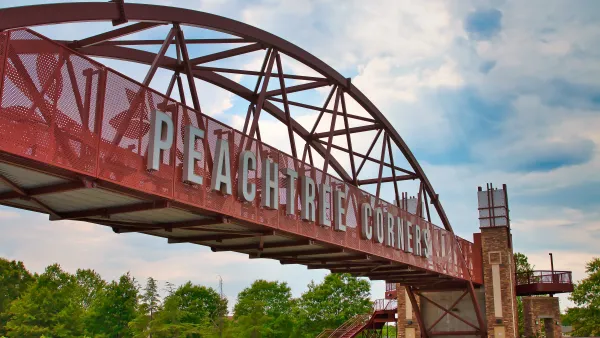
The Changing Geography of Housing Segregation
Racial segregation in housing is growing and shifting as affluent enclaves form new incorporated cities and options for affordable housing in cities become more limited.
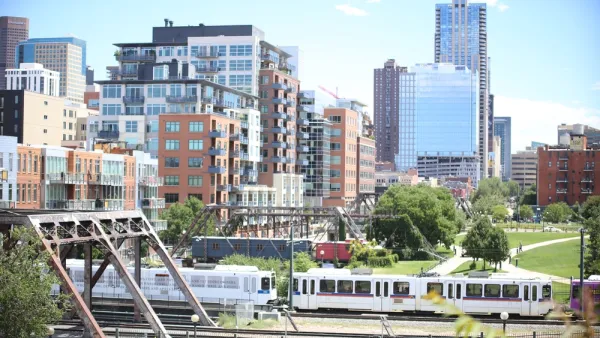
Denver Adopts Mandatory Inclusionary Zoning
The Denver City Council recently adopted the “Expanding Housing Affordability” policy.

The state-sanctioned urbicide of Austin
People don’t kill cities. Freeways do.

US to reduce Colorado River water deliveries to Mexico
A new Colorado Treaty amendment reduces Mexico’s Colorado River water allocation by 250,000 acre feet.

New Jersey’s second-largest city bans standalone data centers
Jersey City will continue to allow co-location facilities, such as those meant for research institutions that store their own data.

Amtrak not solely to blame for New Jersey commuter rail's unreliability, report finds
A new study from the Garden State Initiative found that NJ Transit’s budget grew 20% across a 4 year period, but reliability declined significantly over the same period.

EPA erases limits on planet-warming pollution from power plants
Under Monday’s plan, power plants would still have some limits on how much mercury, arsenic and other contaminants they can emit.

Phoenix announces new on-demand transit service, more frequent RAPID buses
Both new services will launch in October, and are part of Phoenix's Project Effective Access Solutions for Easing Congestion.

FREE Course: Walkable City 1: Why Walkability?
After describing his path towards focusing on walkability as the essence of good planning, Jeff Speck marches through his five principal reasons for making more walkable places.
Reinventing Malls: Planning Alchemy—Turning Gray Fields Into Gold
The course focuses on the opportunities and imperatives that shape reinvention of mall sites.

Eagle County Government
Harvard University Graduate School of Design
Nashville Planning Department
The Architects Foundation
University of Cincinnati Online
The Pocatello Development Authority
The Urban Renewal Agency of the City of Pocatello
Journal of the American Planning Association