A media campaign funded by Comcast and CenturyLink failed to stop the ballot initiative in Fort Collins to install universal broadband service delivering gigabit speeds.


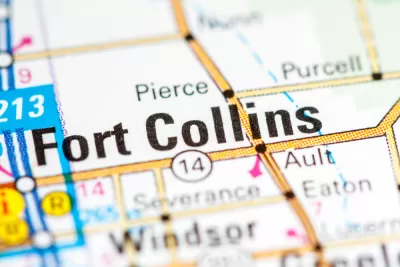
Residents of Fort Collins, who had previously voted in favor of a ballot question to install municipal broadband internet, are one step closer to their goal after a unanimous vote by the City Council to go forward with a plan to build the new network. The initiative now going forward was the subject of attack ads funded by Comcast and CenturyLink. While the cable companies were able to get their way on the national stage with the FCC's roll back of net neutrality rules, they lost in this Colorado town.
"The city intends to provide gigabit service for $70 a month or less and a cheaper Internet tier. Underground wiring for improved reliability and "universal coverage" are two of the key goals listed in the measure," Jon Brodkin reports for Ars Technica.
FULL STORY: After beating cable lobby, Colorado city moves ahead with muni broadband

Private Telcos More Expensive Than Municipal Broadband 85% of the Time
A Harvard study found that, in 27 communities and cities with both private and city owned internet, the municipal broadband was almost always cheaper.
Digital Divide Broadens with Broadband
Accessing the internet is too expensive for many, not just in rural areas but also in cities.
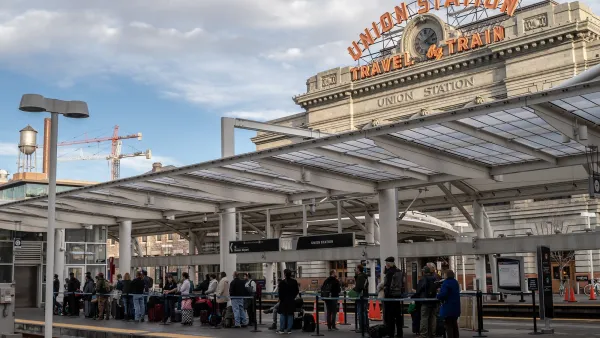
Colorado announces new train between Denver and Fort Collins
The plan requires an agreement with BNSF, which owns the tracks, and Amtrak, which will likely operate the service.

The state-sanctioned urbicide of Austin
People don’t kill cities. Freeways do.

US to reduce Colorado River water deliveries to Mexico
A new Colorado Treaty amendment reduces Mexico’s Colorado River water allocation by 250,000 acre feet.

New Jersey’s second-largest city bans standalone data centers
Jersey City will continue to allow co-location facilities, such as those meant for research institutions that store their own data.

Amtrak not solely to blame for New Jersey commuter rail's unreliability, report finds
A new study from the Garden State Initiative found that NJ Transit’s budget grew 20% across a 4 year period, but reliability declined significantly over the same period.

EPA erases limits on planet-warming pollution from power plants
Under Monday’s plan, power plants would still have some limits on how much mercury, arsenic and other contaminants they can emit.

Phoenix announces new on-demand transit service, more frequent RAPID buses
Both new services will launch in October, and are part of Phoenix's Project Effective Access Solutions for Easing Congestion.

FREE Course: Walkable City 1: Why Walkability?
After describing his path towards focusing on walkability as the essence of good planning, Jeff Speck marches through his five principal reasons for making more walkable places.
Reinventing Malls: Planning Alchemy—Turning Gray Fields Into Gold
The course focuses on the opportunities and imperatives that shape reinvention of mall sites.

Eagle County Government
Harvard University Graduate School of Design
Nashville Planning Department
The Architects Foundation
University of Cincinnati Online
The Pocatello Development Authority
The Urban Renewal Agency of the City of Pocatello
Journal of the American Planning Association