Seeking to standardize what is considered an ad hoc and inconsistent approach to allowing extra density in downtown developments, Austin's city council will consider a new bonus program later this month.


As Sarah Coppola reports, "The new rules would force developers of downtown high-rises to include some affordable housing, or pay into a fund the city uses to build affordable housing elsewhere. They would then have to choose from a menu of other benefits to provide for the extra square footage they’ve received, such as sustainable features or space for a day care center."
"It is called a bonus program — do some public good, earn 'bonus' space for your project — but some downtown developers and advocacy groups worry it could function as a penalty that deters downtown’s growth."
"Developer Perry Lorenz said building tall towers comes with far greater costs and risks than building smaller buildings, including more expensive materials, complex designs and bigger insurance premiums," says Coppola. "So adding fees and rules on top of that could discourage the tall, densely packed projects that city leaders have said they want downtown, he said."
FULL STORY: Austin might seek more from developers of downtown high-rises

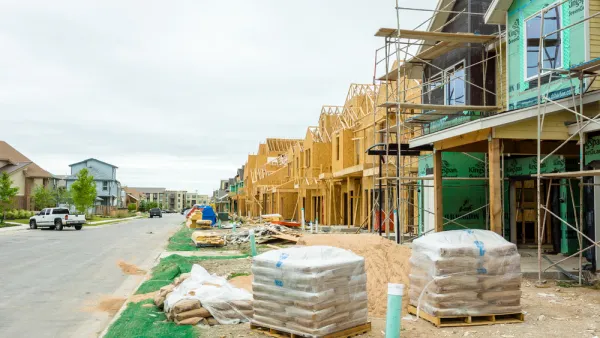
Early Returns on Austin's New Density Bonus Program: 2,337 Affordable Housing Units
Since late 2019, developers who deliver affordable housing units in Austin have received bonuses in height, density, parking, and other regulatory metrics, leading to a large number of new affordable housing units in the pipeline.
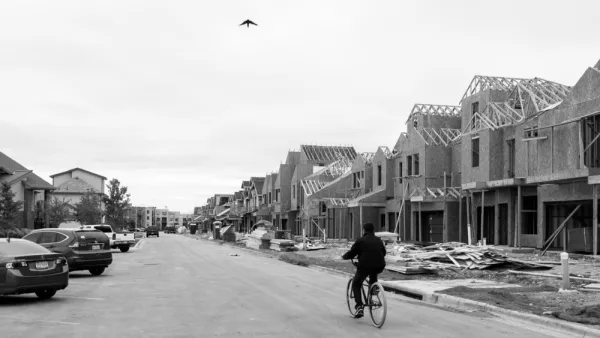
New Density Bonus Approved in Austin
The city of Austin is using density bonus as an incentive for developers to include affordable housing in new developments.
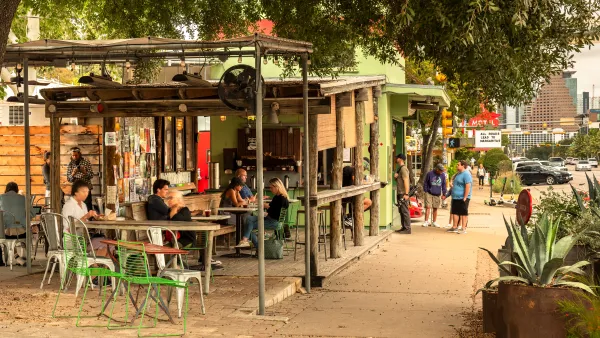
Large projects near Austin's light rail must include affordable housing
Elsewhere in the city, developers can pay into a city bank account for affordable housing rather than providing the required affordable units within their projects.

The state-sanctioned urbicide of Austin
People don’t kill cities. Freeways do.

US to reduce Colorado River water deliveries to Mexico
A new Colorado Treaty amendment reduces Mexico’s Colorado River water allocation by 250,000 acre feet.

New Jersey’s second-largest city bans standalone data centers
Jersey City will continue to allow co-location facilities, such as those meant for research institutions that store their own data.

Amtrak not solely to blame for New Jersey commuter rail's unreliability, report finds
A new study from the Garden State Initiative found that NJ Transit’s budget grew 20% across a 4 year period, but reliability declined significantly over the same period.

EPA erases limits on planet-warming pollution from power plants
Under Monday’s plan, power plants would still have some limits on how much mercury, arsenic and other contaminants they can emit.

Phoenix announces new on-demand transit service, more frequent RAPID buses
Both new services will launch in October, and are part of Phoenix's Project Effective Access Solutions for Easing Congestion.

FREE Course: Walkable City 1: Why Walkability?
After describing his path towards focusing on walkability as the essence of good planning, Jeff Speck marches through his five principal reasons for making more walkable places.
Reinventing Malls: Planning Alchemy—Turning Gray Fields Into Gold
The course focuses on the opportunities and imperatives that shape reinvention of mall sites.

Eagle County Government
Harvard University Graduate School of Design
Nashville Planning Department
The Architects Foundation
University of Cincinnati Online
The Pocatello Development Authority
The Urban Renewal Agency of the City of Pocatello
Journal of the American Planning Association