Although power has been restored to much of Lower Manhattan, tenants of many of the area's residential and commercial buildings face a long and uncertain recovery before they can return. What will be the long-term effects on waterfront development?


With their lights back on and elevators operating, the easy part of repairing the many commercial and residential buildings in downtown Manhattan that suffered flood damage as a result of Superstorm Sandy is complete. However, according to N. R. Kleinfield, "the full extent of the damage to these buildings, which include major
office towers along Water, State and Front Streets, remains unclear.
Many owners are still furiously pumping out water, some of it
contaminated by toxins."
With "mechanical and
electrical systems destroyed by millions of gallons of water from
swollen rivers," and special cleanups required to clear contaminants, residents and office tenants like the International Planned Parenthood Federation, Morgan Stanley, The Daily News, and the Department of Homeless Services are learning that they may not be able to return to their homes and offices until Thanksgiving, or Christmas, or long after that.
With the potential adverse impacts of living and working near the city's waterfront now clear, Michelle Higgins looks at the prognosis for continued waterfront development. "Although real estate experts say property values are unlikely to suffer
in the long term, it is possible that new zoning and planning
regulations - and buyers' expectations - could reshape how residential
housing along the water is built, marketed and sold."
Read the full story: Future Is in Limbo for the Damaged Buildings Close to the Water’s Edge
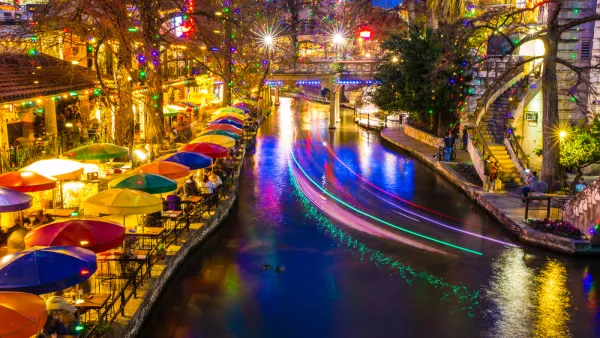
The Power of Urban Waterfronts
Humans' love of water makes waterways a particularly attractive urban amenity. Why did so many American cities let theirs languish?
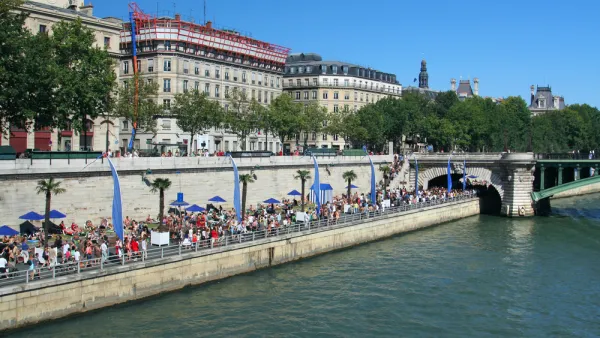
River Scenes: How Rivers Contribute to More Vibrant Urban Communities
The role of rivers in urban areas shifted in recent years from production to consumption. Now, access to a river's waterfront has become a highly valued amenity within cities.
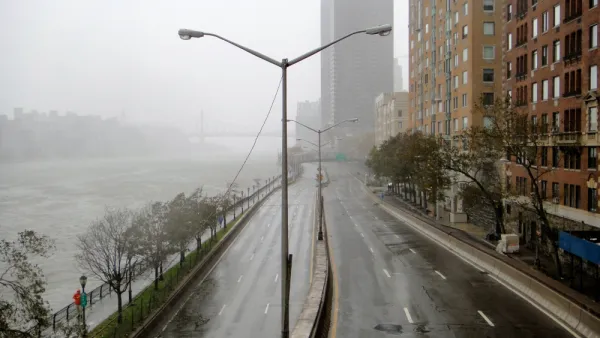
Saving Lower Manhattan
A debate over how to protect the East River waterfront from Sandy-level flooding and storm damage has delayed the project as community activists decry the city's last-minute change of plans.

Planetizen Federal Action Tracker
A weekly monitor of how Trump’s orders and actions are impacting planners and planning in America.

California plans to bury El Niño’s downpour
If the state plays its cards right, it may be able to store a billion acre-feet of El Niño’s water in aquifers.

Desperate measures: Advocates weigh draining Lake Powell to fill Colorado River
Draining the reservoir could reduce evaporation losses by a couple hundred thousand acre-feet.

US buildings threatened, destroyed by fires set to triple by 2060
Researchers found a high fire risk for socioeconomically vulnerable neighborhoods in the American West.

LA residents may be allowed to paint their own crosswalks
Councilwoman Katy Yaroslavsky put out a motion instructing the Los Angeles Department of Public Transportation to study the feasibility of allowing volunteers to paint crosswalks.

Dallas moves to overhaul its zoning code
The city's zoning reform will allow more multi-family and mixed-use developments.

FREE Course: Walkable City 1: Why Walkability?
After describing his path towards focusing on walkability as the essence of good planning, Jeff Speck marches through his five principal reasons for making more walkable places.
Reinventing Malls: Planning Alchemy—Turning Gray Fields Into Gold
The course focuses on the opportunities and imperatives that shape reinvention of mall sites.

City of Rosemead
Rutgers University, Edward J. Bloustein School of Planning and Public Policy
One Hundred Miles
Hunter College, City University of New York (CUNY)
The Architects Foundation
University of Cincinnati Online
City of Cambridge
Montrose County
The Pocatello Development Authority