Land Use

New York's 'Zoning Handbook' Teaches the Intricacies of Planning
Zoning Handbooks are designed to help New Yorkers understand the city's zoning code.
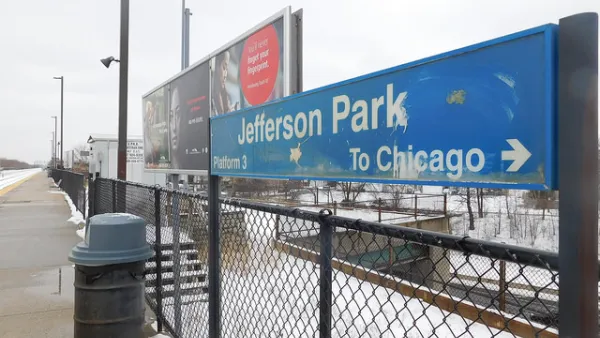
Study: 'Aldermanic Privilege' Leads to Segregation
Chicago's own city government, in the form of aldermanic prerogatives and privileges, contributes to racial and economic segregation, according to a new study.

'Climate Gentrification' Is Exacerbating Economic Inequality in Miami
A new study shows that over the last several decades the price of real estate has been heavily influenced by the actual and anticipated effects of climate change.

Mobile Home Parks as Gentrification Flashpoints
The Iowa State Supreme Court recently sided with a resident of a mobile home park over the city of Des Moines, which had worked to shut the entire mobile home park down.

New from PBS: '10 Streets That Changed America'
PBS examines the built environment through its series "10 That Changed America." The latest episode will look at the "10 Streets That Changed America."

Vertical Farms, Fad or Feast?
Hydroponic indoor farmers hope to charge a premium for plants grown out of season in indoor farms. The notion has generated attention from big investors, but whether or not consumers will follow is an open question.
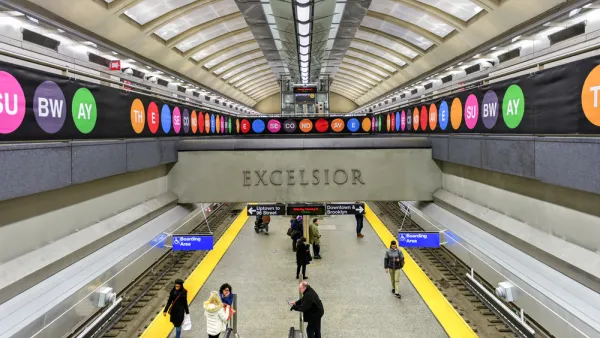
Study Quantifies Job Access in U.S. Cities
An annual survey by the Accessibility Observatory at the University of Minnesota measures job availability, job location, population density, and the availability of transit.

What Do Affordable Housing Developers Think of California's Potential Rent Control Initiative?
A California November 2018 ballot initiative seeking to repeal the Costa-Hawkins Rental Housing Act could have unintended consequences, according to Related California's Bill Witte.

SF Chronicle Editorial Board: Build More Homes to Help the Homeless
And stop changing the subject, adds the Editorial Board of the San Francisco Chronicle.

Seattle Rolls Out New Community Engagement Framework
Under the new guidelines, developers will need to implement specific community engagement strategies, at times based on a neighborhood's demographics.

Induced Demand: Why Highways Still Reign in Dallas
Regional planners and Dallas officials aren't confident that the area's highway-centric worldview (and budget) will change anytime soon. The city's competitiveness in the national job market may be on the line.

5 Ideas for Getting Cars Off the Road in Seattle
The Seattle Department of Transportation is searching for ways to remove 3,000 cars from the roads every day.

Friday Eye Candy: Long-Hidden Panoramas of National Parks Now Online
The panoramas of Heinrich Berann had been locked up in a vault, Now they are available for download.

Parking Planning Paradigm Shift
More efficient parking management can benefit everybody, including motorists, businesses, residents, and any planner who becomes an expert on this subject, as I can report from experience.
No Parking Minimums and Also No Housing Development
Los Angeles is hoping that changes to the Cornfield Arroyo Seco Specific Plan will finally yield new residential developments.
Monument Review: Recreation a Larger Economic Benefit Than Ranching and Timber Combined
Why is the Department of Interior considering a reduction of the size of the Cascade-Siskiyou National Monument?

Editorial Board: The Suburbs Need to Make Room for New Residents
Utah has generally made room for single-family homes in the past, but the Salt Lake Tribune thinks its time for new plans as the state faces demographic changes and worsening affordability.
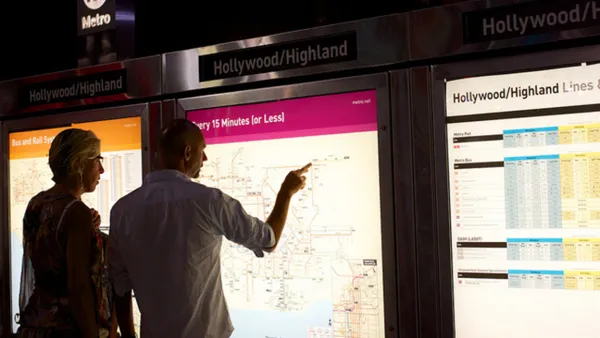
L.A. Wants to Be the Epicenter of New Transportation Technology
Gabe Klein of CityFi outlines how Los Angeles is planning on implementing the Urban Mobility in a Digital Age report.

Learning From Europe: Part 2 (Or, You Can't Have It All)
It is indeed possible to have a city full of low-rise buildings that is still compact enough for excellent transit service—but only if most side streets are used for mid-rise buildings instead of houses.

3 Keys to Ending Parking Minimums
What does it take to make the bold step toward ending parking minimums in an entire city?

FREE Course: Walkable City 1: Why Walkability?
After describing his path towards focusing on walkability as the essence of good planning, Jeff Speck marches through his five principal reasons for making more walkable places.
Reinventing Malls: Planning Alchemy—Turning Gray Fields Into Gold
The course focuses on the opportunities and imperatives that shape reinvention of mall sites.

One Hundred Miles
County of Mendocino
planning NEXT
The Architects Foundation
University of Cincinnati Online
Montrose County
Northern Illinois Transit Authority (NITA)
The Pocatello Development Authority









