Housing
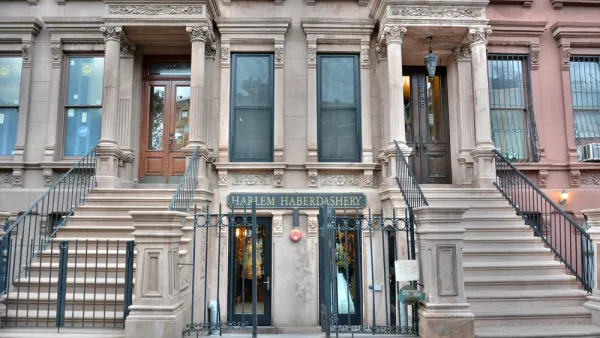
Debt Piles Up for Low-Income Renters
As the end of federal and state eviction moratoriums looms, renters who fell behind on payments during the pandemic now face "staggering" amounts of debt.
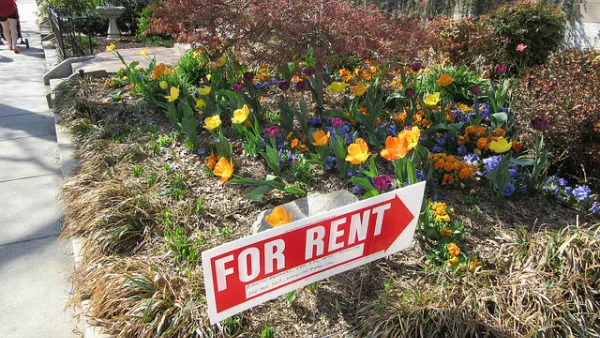
Improving Racial Equity via Emergency Rental Assistance
Five ways to ensure that rental assistance reaches communities of color with high levels of need.

Sweeping Residential Zoning Reform Advances in Tacoma
Zoning and land use changes proposed in the Home in Tacoma plan, an element of the One Tacoma Comprehensive Plan, was approved this month by the Tacoma Planning Commission.

How Federal Incentives Can Increase Access for Section 8 Recipients
Landlords are the focus of a proposed bill that would provide extra perks for accepting Housing Choice vouchers.
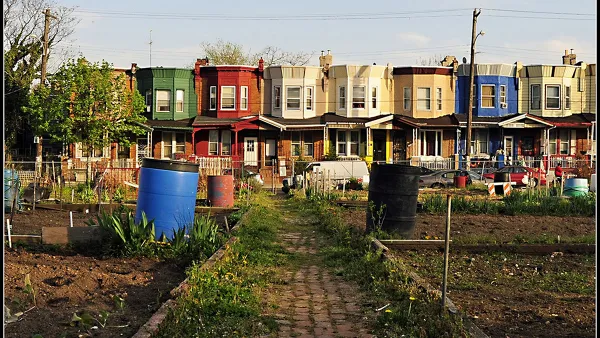
Housing Design That Advances Health
Applying trauma-informed principles, reducing social isolation, and encouraging active living—how housing can be designed to promote good health.
Philadelphia's Eviction Prevention Program Hailed as a National Model—But Funding's In Jeopardy
In a typical pre-pandemic year, landlords in Philadelphia filed around 20,000 evictions. Last year, landlords filed just 4,500.
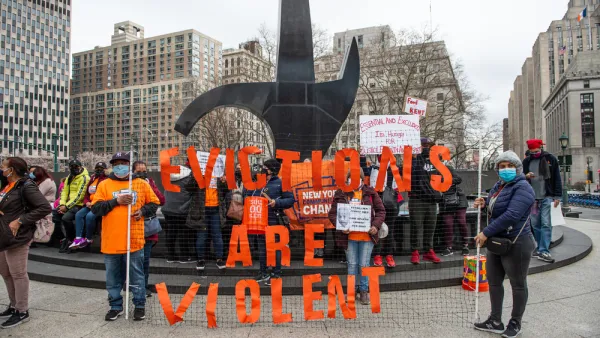
Billions of Dollars in Rent Relief Might Arrive Too Late
The federal government has never provided so much aid to renters, but rental assistance is still failing to reach the people who need it most.

Philadelphia Accelerator Fund Will Finance Black and Brown-Led Affordable Housing
The fund seeks to level the playing field by making it easier for Black and brown developers to gain access to capital.

Rising Home Prices Most Pronounced in Communities of Color
U.S. home values appreciated sharply during the pandemic, particularly in communities of color, where prices rose by as much as 10.3%.
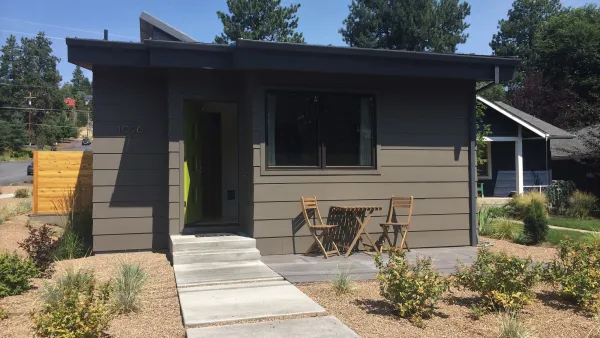
San Diego Residents Challenge the City's ADU Regulations
Residents in some of the city's single-family neighborhoods worry about the potential impacts of ADU construction on local character and parking.

A Daring 50-Year Vision for the San Francisco Bay Area
The SPUR Regional Strategy sets a new standard for planning advocacy, not only for the depth and breadth of its vision, but for its skill in execution.

The Future of Central Business Districts
Urbanist Richard Florida assesses post-pandemic possibilities for neighborhoods that once relied on 9-to-5 workers.

The Parking Disaster
Minimum parking requirements, argues Michael Manville, raise the cost of construction and eat up valuable urban real estate.
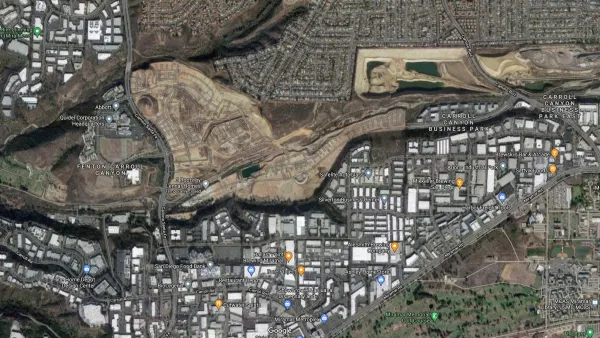
200 New Homes; 14,000 Interested Buyers
A large new master planned development in San Diego offers another anecdote about the state of the real estate market in 2021.
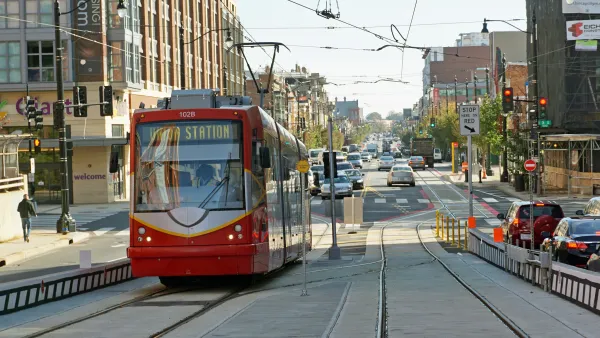
D.C. Comprehensive Plan Amendments Approved
New amendments to the D.C. Comprehensive Plan set goals for new housing development and fewer cars on the road.
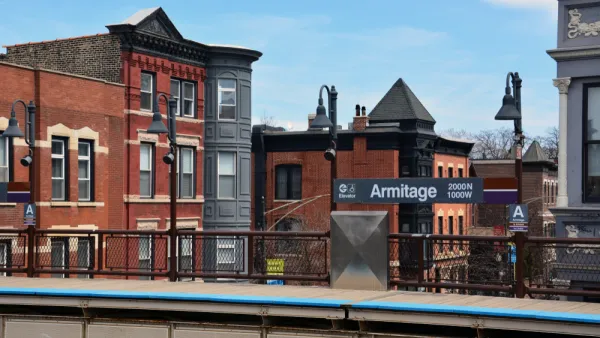
Chicago's Disappearing Multi-Unit Buildings
The city is seeing a rapid loss of its signature two-, three-, and four-flat residential buildings, which historically served as affordable housing for working-class families.
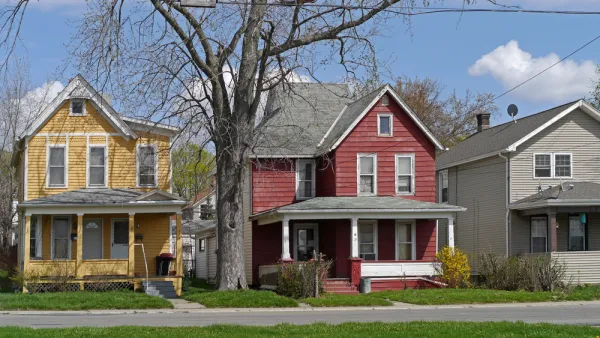
Opinion: Freeze Property Taxes in Gentrifying Neighborhoods
A proposed bill in the Texas legislature would help prevent displacement of homeowners in areas experiencing reinvestment and redevelopment.
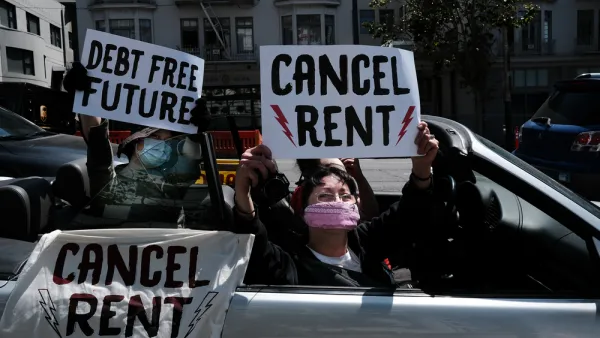
Report Breaks Down Pandemic Rent Burdens by State and Metro Area
The share of U.S. households facing rent debt is decreasing as the economy begins to recover from the pandemic, but rent debt is still concentrated by geography and demographics around the country.

Fourplexes on the Legislative Agenda in San Francisco
San Francisco, the poster child for runaway housing costs and displacement of existing residential populations, could be on the cusp of a change of plans.
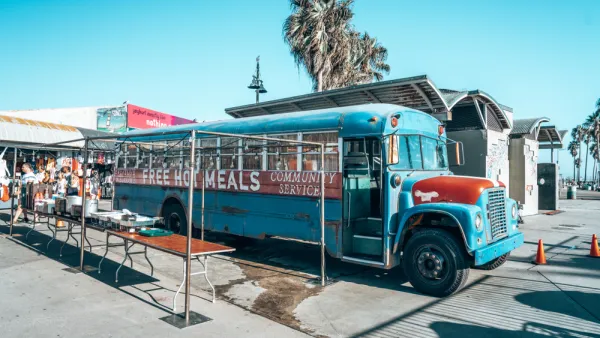
L.A. Could Consider Parks for Sanctioned Camping Locations for People Experiencing Homelessness
L.A. residents are demanding solutions for the city's growing number of people experiencing homelessness, but they don't tend to like those solutions when they include allowing people experiencing homelessness to stay in the neighborhood.

FREE Course: Walkable City 1: Why Walkability?
After describing his path towards focusing on walkability as the essence of good planning, Jeff Speck marches through his five principal reasons for making more walkable places.
Reinventing Malls: Planning Alchemy—Turning Gray Fields Into Gold
The course focuses on the opportunities and imperatives that shape reinvention of mall sites.

City of Rosemead
Rutgers University, Edward J. Bloustein School of Planning and Public Policy
One Hundred Miles
University of Michigan School for Environment and Sustainability (SEAS)
Hunter College, City University of New York (CUNY)
The Architects Foundation
City of Cambridge
The Pocatello Development Authority
The Urban Renewal Agency of the City of Pocatello









