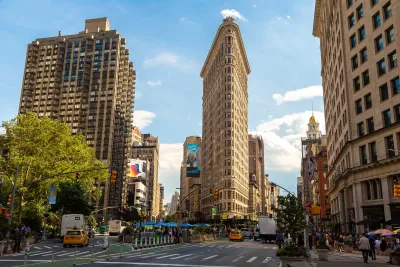
More than a quarter of lots in Manhattan are protected by the city's Landmarks Law. That’s both a triumph and a challenge.


It’s often said that the most important task for American cities is to build: Build housing. Build transit. Build safe streets. Build seawalls and levees. Build places where people can gather in person, places where we can stop looking at our phones.
But if building is the watchword of the day, then where does that leave preservation?
That is the question animating a 2024 essay collection called "Beyond Architecture: The New New York," a meditation on 60 years of the city’s Landmarks Law. In a review published in CityLab, I marveled at the authors’ willingness to candidly consider what’s working and what’s not working in a field that doesn’t always welcome introspection.
The overarching conclusion of the book — which I agree with — is that historic preservation is as important as it ever was, but the way it is practiced is ripe for change. Unfortunately, none of the writers in the collection offer particularly compelling ideas for reimagining historic preservation.
There is a widespread hesitancy to putting forward substantive, specific proposals for reforming historic preservation policy in New York and across the country. The historic preservation movement has long seen itself as engaging in a righteous, David-versus-Goliath struggle. The main historic preservation advocacy groups, understandably, still view things this way and tend to bristle at the slightest critique.
But it’s not 1965 anymore, and the Landmarks Law is now a force to be reckoned with in New York City urbanism.
More than a quarter of lots in Manhattan are protected by the Landmarks Law, either as individually designated landmarks or as part of historic districts. These districts are overwhelmingly located in the wealthiest, most central neighborhoods like the Upper East and West Sides and the West Village. It’s the same story in Brownstone Brooklyn neighborhoods like Brooklyn Heights, Park Slope and Ft. Greene.
The fact that so many beautiful, unique buildings and neighborhoods are protected from demolition is a good thing. The public realm is enriched by these fine architectural specimens. They are a medium of popular history and art for all to enjoy.
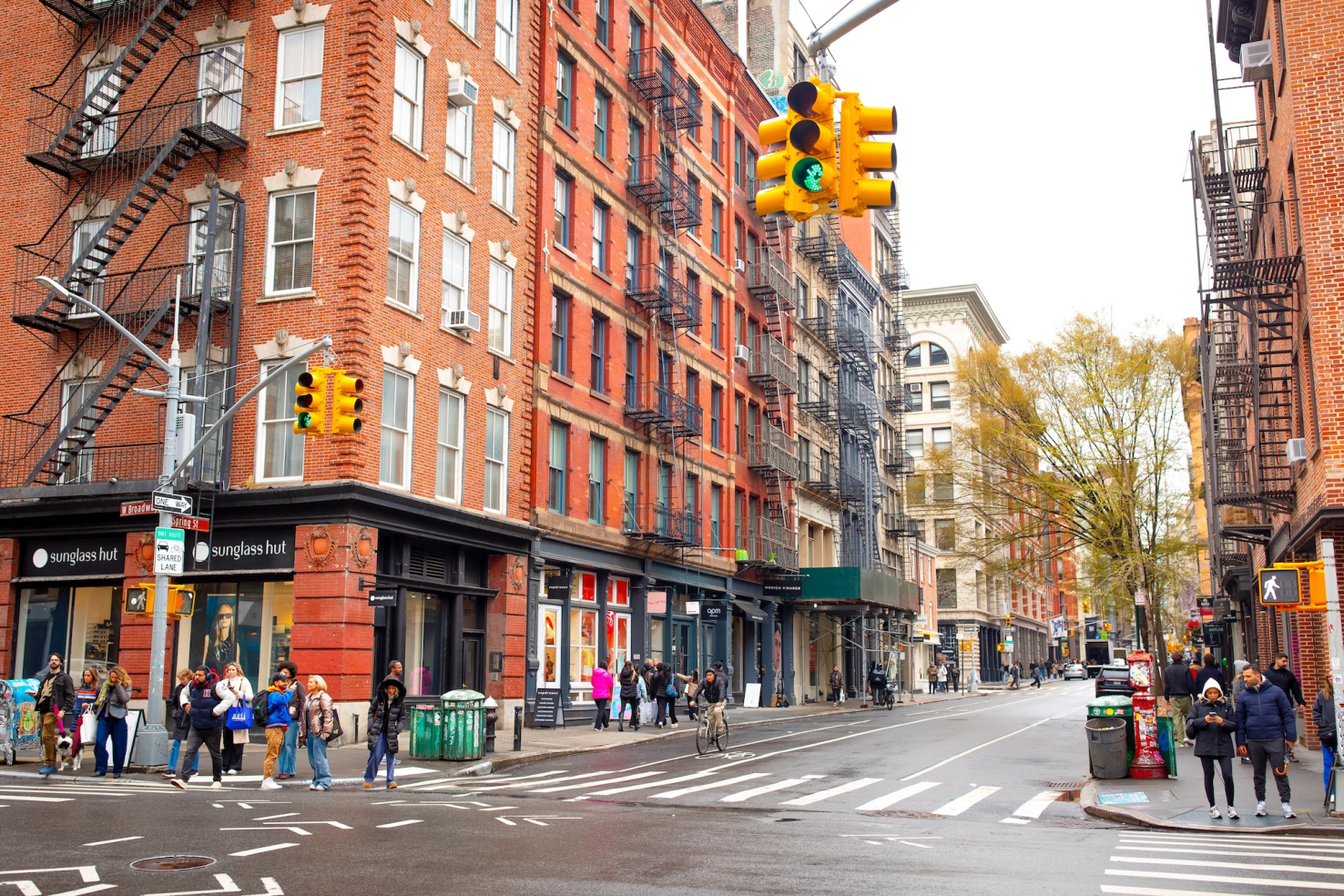
Allowing historic streetscapes to evolve
But it shouldn’t be taboo for architecture lovers — or anyone else — to speak frankly about the tradeoffs and side effects of preservation. New York’s Landmarks Law makes development, including affordable housing, near-impossible in many of the city’s most desirable and expensive neighborhoods. It also means that enormous investments in transit, street redesigns and other infrastructure go underutilized. Historic district populations tend to decline over time as increasingly wealthy residents merge units and convert walk-up apartment buildings into single-family homes.
There has to be a way to add new buildings — and new people — in and around New York’s historic districts while still protecting the city’s architectural heritage. The 2021 SoHo rezoning and the recently passed City of Yes for Housing Opportunity plan offer two modest starting places.
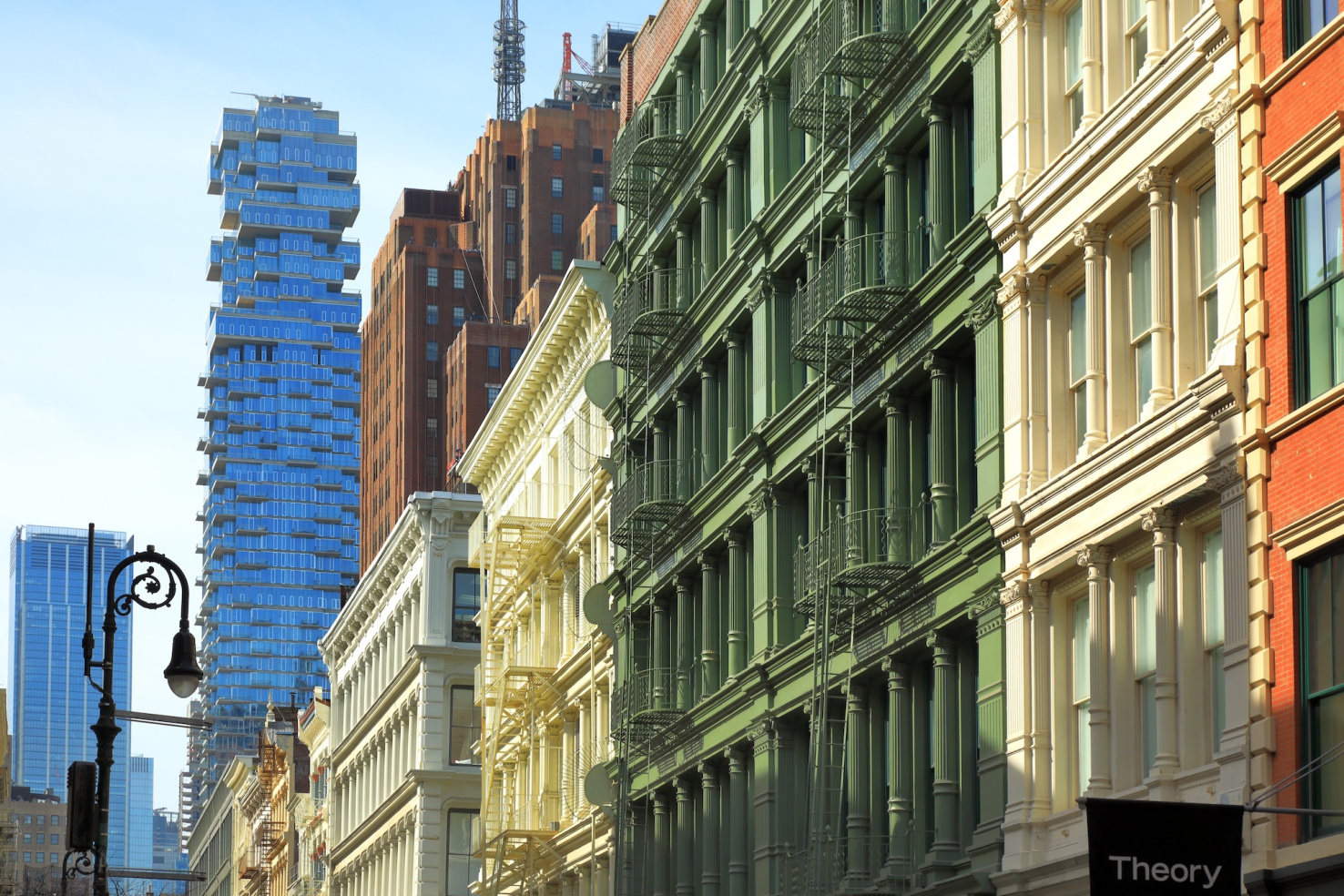
The SoHo/NoHo rezoning is expected to yield 3,000 new homes, with at least a quarter of them required to be offered at below market rates. New development will only replace marginal buildings and parking lots: The neighborhood’s cast iron beauties remain under the protection of the Landmarks Preservation Commission. As of late 2025, there were multiple redevelopment projects in the works in the area, promising over 500 new housing units.
Likewise, City of Yes leaves historic districts intact. However, it expands the radius of development rights transfers as well as the types of historic properties that can take advantage of them. This will allow more and larger development around landmark properties.
Most historic preservation groups in New York opposed the SoHo rezoning and City of Yes. Some of their objections are related to undermining the character of historic districts, which is their opinion. But they also parrot demonstrably false, anti-housing talking points.
In one of its comments on City of Yes, for instance, Village Preservation describes the policy as "premised on the ludicrous but increasingly widely held belief that building more unaffordable housing will make our city more affordable." (To briefly rebut: New York’s affordability crisis is rooted in an across-the-board housing shortage. In addition, the most significant provisions of City of Yes will make it easier to build more below market-rate homes.)
This kind of political stance is a big reason why preservation has effectively become a synonym for NIMBYism in the popular discourse. That’s a tragedy for many reasons, not least of which because the protections of New York’s Landmarks Law represent a relatively small part of the city’s affordability problem. But preservationists don’t help their cause when they defend the NIMBY status quo and reject reasonable efforts at reform.
Many readers of Binyamin Appelbaum’s provocative 2023 essay, "I want a city, not a museum," seemed to understand it as an indictment of New York’s Landmarks Law. Groups like the New York Landmarks Conservancy certainly did. While Appelbaum does criticize the scope of historic districts, his argument is mostly about a much larger apparatus of zoning, environmental and building codes that make it exceedingly difficult to build housing in New York. If preservationists continue to defend that apparatus, they’ll have fewer and fewer allies willing to fight for their core interest: saving historically significant architecture.
There are lots of creative ways for old and new buildings to live in harmony, as I learned in a recent conversation with a heterodox historic preservation professional who asked to remain anonymous.
The SoHo rezoning requires "contextual" architecture for new construction that mimics the massing of the neighborhood’s loft buildings. Contextual or form-based codes could be taken even further, requiring more specific material and design guidelines in particular areas. For instance, a future rezoning of Brownstone Brooklyn could require new buildings to have brick or masonry facades that blend in with their neighbors.
The most unaffordable historic districts could be required to undergo something akin to California’s housing element, where planners and community members identify the sites in their neighborhood where new affordable housing makes the most sense. It’s not a question of whether to allow development, it’s a question of where to do so. The SoHo rezoning essentially did this by designating priority development areas around the neighborhood’s historic core.
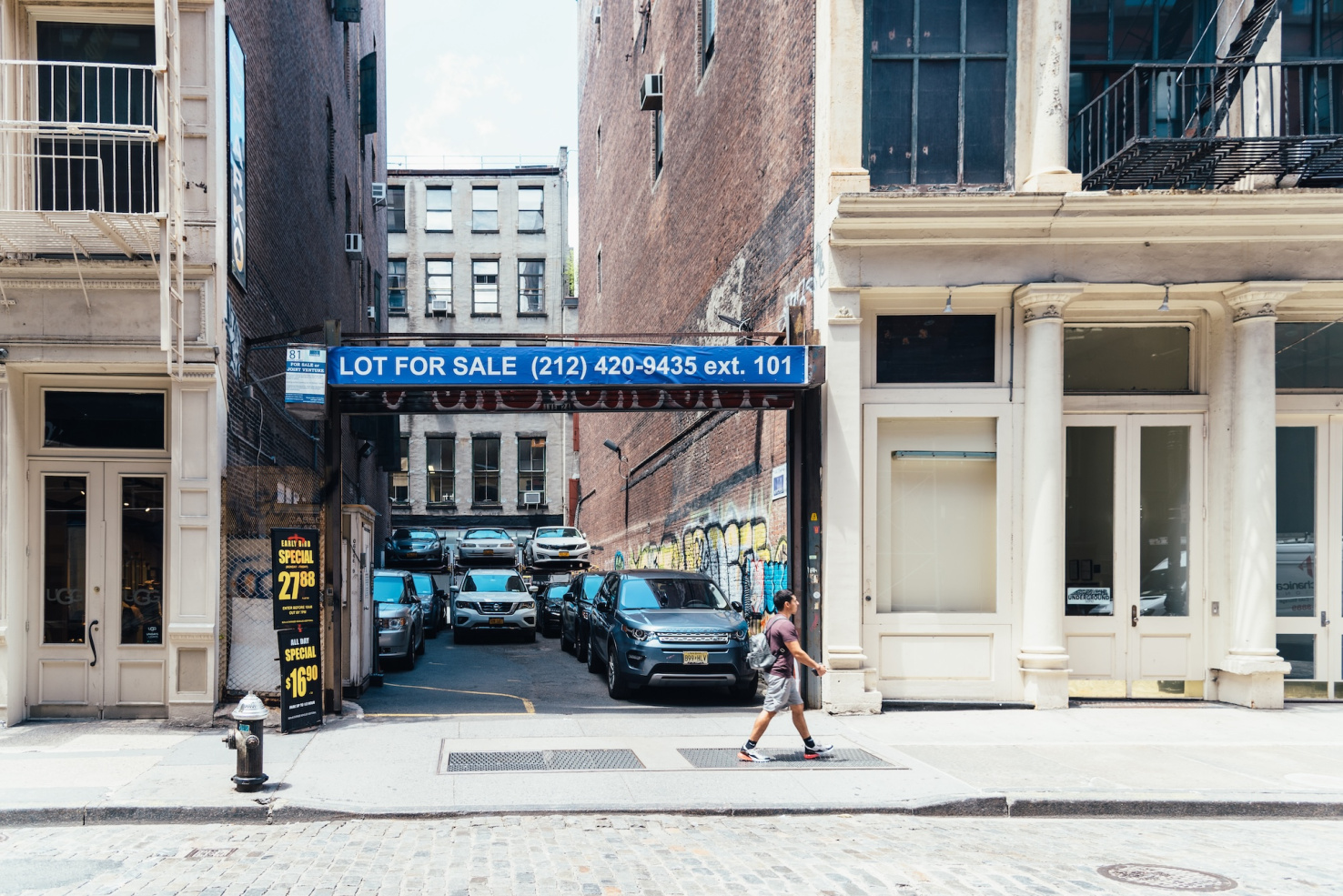
Another no-brainer idea: Projects replacing "non-contributing" structures within the boundaries of historic districts should be exempt from the Landmarks Preservation Commission’s discretionary review process. Protecting parking lots and one-story commercial buildings simply by virtue of being situated in a historic district undermines the entire premise of preservation.
Under a new preservation paradigm, historic buildings would be protected, full stop. But historic streetscapes and skylines would be allowed to evolve. New buildings should be permitted to rise in those marginal zones between precious landmarks. That would show the naysayers, in the most vivid way possible, that preservation and growth can coexist side by side.
—
Benjamin Schneider is a freelance journalist covering all things urbanism. His work has appeared in Bloomberg CityLab, MIT Technology Review, The Nation, and many other publications. He lives in Brooklyn. His website is www.urbenschneider.com.


Planetizen Federal Action Tracker
A weekly monitor of how Trump’s orders and actions are impacting planners and planning in America.

Data reveals that NYC’s bet on congestion pricing has paid off
After almost two years of the program, reports show positive impacts on traffic and air quality and no disruptions to parking.

HUD modernizes 50-year-old manufactured housing framework
The Next Generation Manufactured Housing Action Plan establishes new energy-efficiency standards for manufactured homes, and new guidelines for anchoring them.

Developers sue Mississippi landowners who object to pipeline through their land
Because the Federal Energy Regulatory Commission approved the pipeline project, the developer can use private land without the consent of the owner.

A gas leak in NYC is costing residents $300 million
More than 90% of NYC’s electricity is from natural gas. About 2% of that gas is leaking and escaping into the air.

CA officials have the power to fix the state’s riskiest dams. They’ve never used it
California’s 40 most hazardous dams would endanger up to 1.5 million people if they failed.

FREE Course: Walkable City 1: Why Walkability?
After describing his path towards focusing on walkability as the essence of good planning, Jeff Speck marches through his five principal reasons for making more walkable places.
Reinventing Malls: Planning Alchemy—Turning Gray Fields Into Gold
The course focuses on the opportunities and imperatives that shape reinvention of mall sites.

One Hundred Miles
County of Mendocino
planning NEXT
The Architects Foundation
University of Cincinnati Online
Montrose County
Northern Illinois Transit Authority (NITA)
The Pocatello Development Authority

