When the World Cup visits cities across America this summer, it’s a rare chance to shift the perception of our downtowns on the global stage. The secret? What makes downtowns great for FIFA makes them great for everyone, all the time.


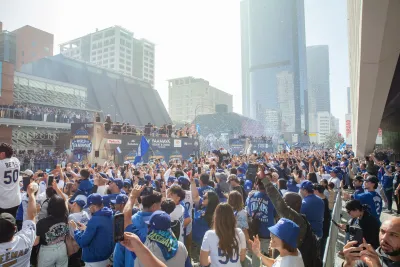
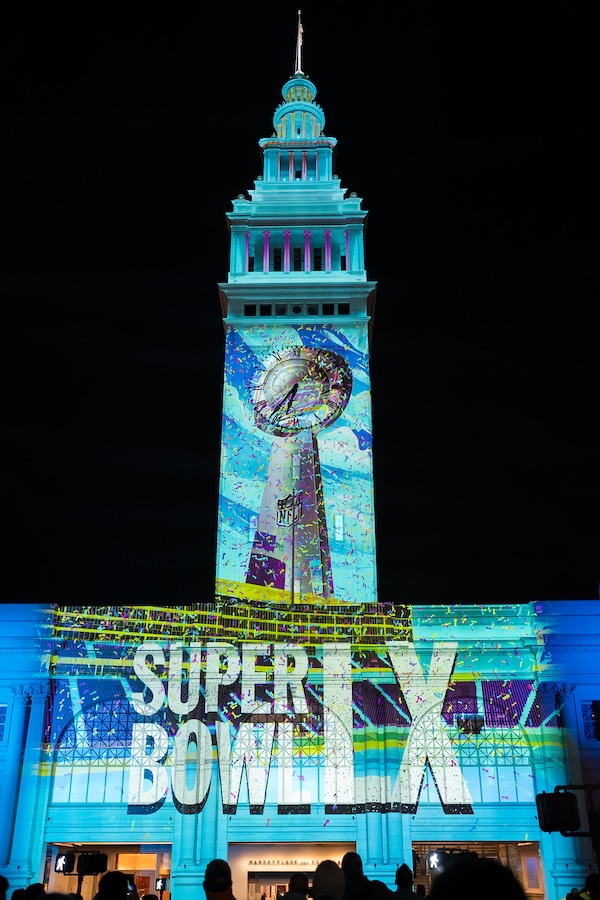
Later this year, the FIFA World Cup will arrive on U.S. soil for the first time in a generation, drawing millions of visitors to host cities and billions of viewers around the globe. Along with San Francisco’s recent Super Bowl and Los Angeles’ upcoming Super Bowl and 2028 Olympics, these events will place American downtowns — not just their stadiums — in the international spotlight.
If those moments are judged anywhere, it will be downtown. A city’s core is where visitors form their first and most lasting impressions, and where global attention quickly turns into local perception. As economic development leaders in two of California’s largest cities, we’ve seen how quickly that perception can harden, for better or worse. Street-level conditions like cleanliness, safety, and vibrancy aren't cosmetic; they shape whether people feel welcome and whether they come back. Investing in those fundamentals isn’t optional. It’s the difference between a downtown that rises to the moment and one that falls short on the world stage.
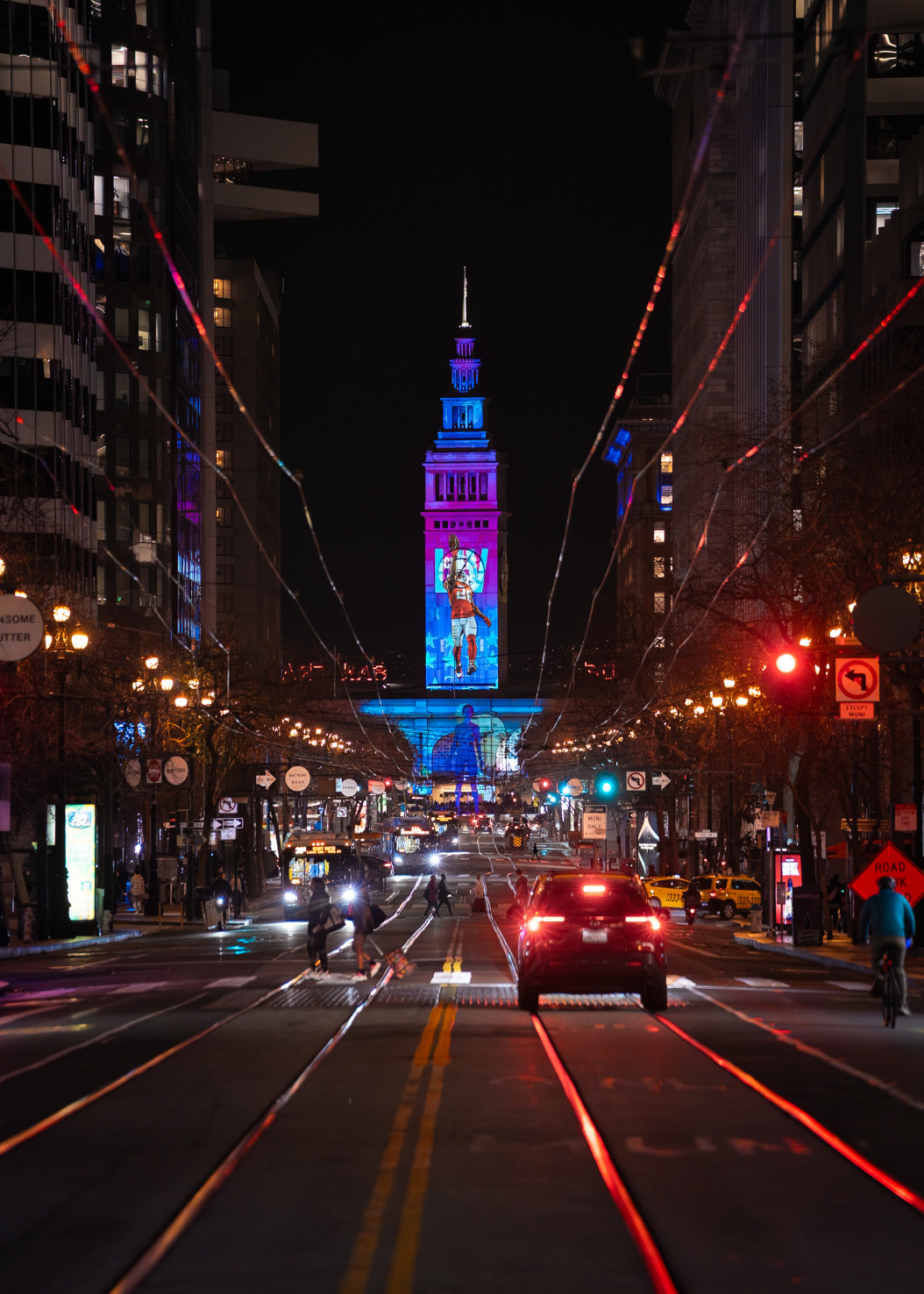
San Francisco has already had a preview of this attention. During Super Bowl week, daily visits to downtown jumped nearly 18% over January’s average and were up 35% year over year. For a few days, the city moved with a different rhythm, with busier sidewalks, packed restaurants, and a noticeable lift in energy. News headlines and reports from visitors that week were complimentary to the city and its downtown. The question now is whether that surge was a one-week anomaly, or the beginning of a more substantive trend.
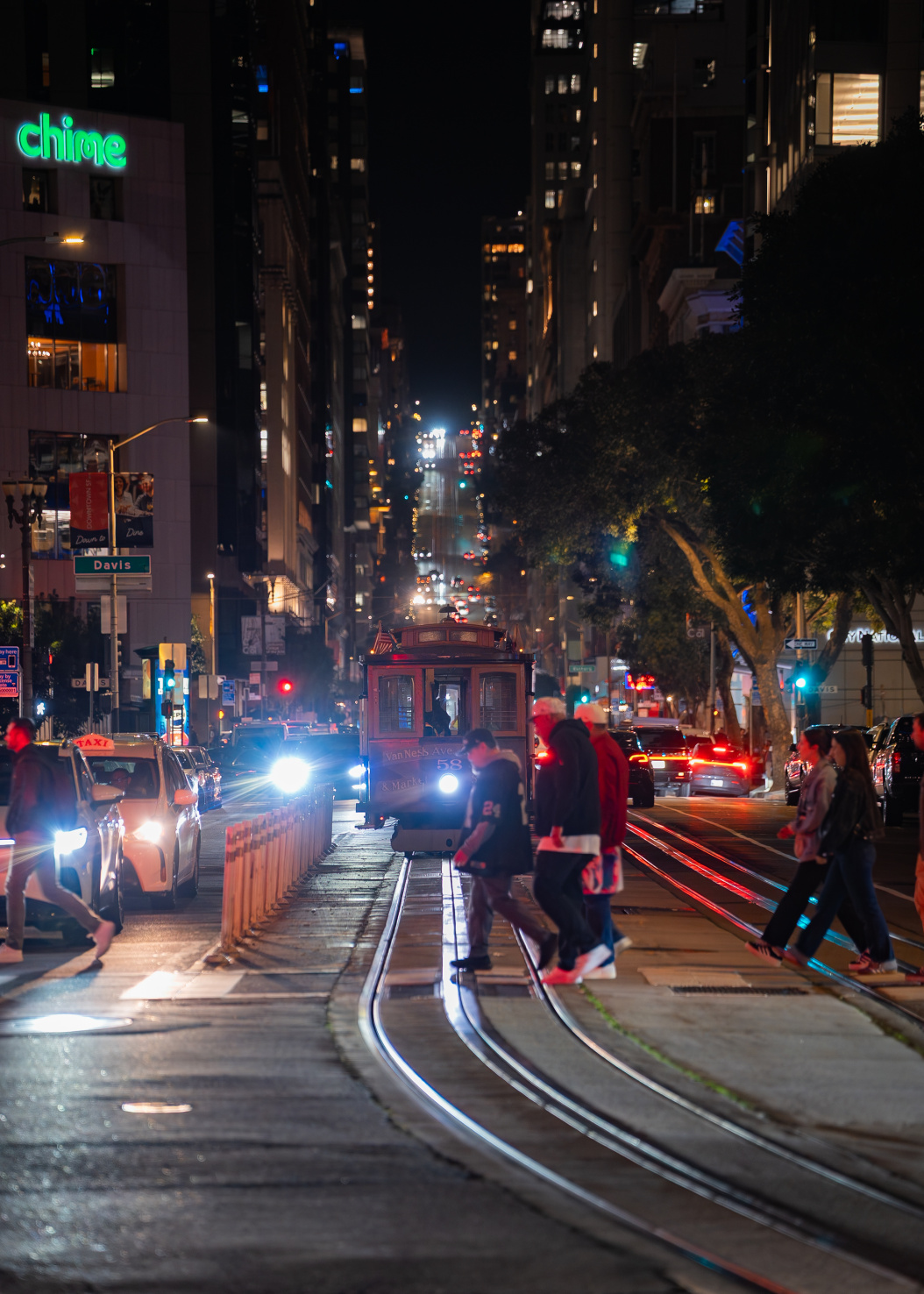
No downtown understands the weight of perception more than San Francisco. Over the last six years, it has often been held up as the symbol of the so-called “doom loop,” shorthand for empty offices and quiet streets. But the story is changing: positive momentum is building, and leasing activity is ticking upward, with new capital flowing in and a renewed commitment from the local government to invest in the public realm and programming.
Downtown LA has had its share of bad luck and bad press with the pandemic’s impact on the office market and public realm conditions, exacerbated by wildfires and ICE raids. But DTLA is turning the corner as well, buoyed by a growing residential population, transformational transit infrastructure projects that will increase accessibility to the airport and connectivity across the city, and expansions of institutions like the Broad Museum, Colburn School, and LA Convention Center — all of which will be open in time for the 2027 Super Bowl and LA28 Olympic Games.
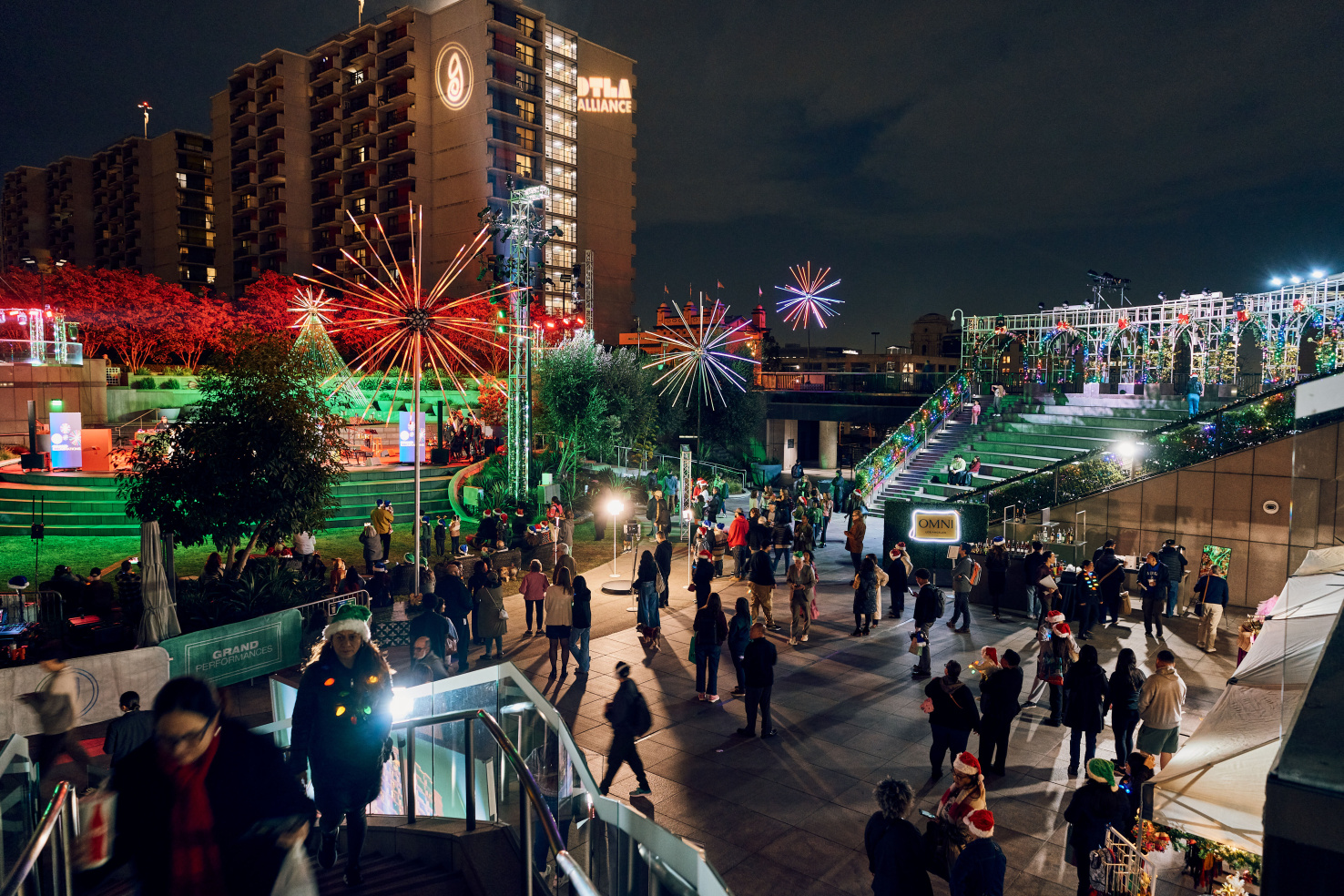
From Atlanta’s Beltline to Chicago’s Millennium Park, investments in public space are supercharging local economies. Across the country, downtowns are building on this momentum, evolving into places people want to spend time through continued physical improvements to streets, expanded open space for public gathering, the introduction of Entertainment Zones, and new programming and activations. This reflects a natural evolution of American downtowns into more social, mixed-use neighborhoods.
What unites these examples is the recognition that downtowns are not simply business districts. They are civic stages that set the tone for patrons of the city and shape the perception of the city writ large, because when cities hum with energy, they attract businesses and tourism, which strengthens our local economies. Our focus on downtowns, therefore, is key to the economic health of each of our cities, making this moment mission-critical.
None of this happens without partnership. In our experience, the cities that make real progress are the ones where local governments, community organizations, and business improvement districts work in collaborative coordination — combining public authority with on-the-ground stewardship of public spaces. These partnerships aren’t just helpful; they’re what turn plans into tangible, visible, day-to-day improvements.
One lesson we’ve learned is that preparing for major global events doesn’t require a separate playbook. The work that makes a downtown function for residents and workers — cleaner streets, safer environments, more active public spaces — is the same work that determines how a city is experienced by visitors. Cities that focus on those fundamentals consistently are far better positioned when the guests arrive and cameras start to roll.
In San Francisco, efforts to simplify permitting through programs like PermitSF, along with new entertainment zone legislation that allows public spaces to be activated in new ways, and the Market Street Safe Corridor Program, which adds a presence in key corridors to make downtown feel more navigable and welcoming, have shown how reducing friction can accelerate the pace of change and make it easier for new businesses and institutions to invest downtown. In Los Angeles, approaches like Inside Safe reflect the importance of sustained, coordinated strategies to address homelessness, alongside broader efforts that have helped bring down crime from pandemic-era highs. While no single program is a silver bullet, these experiences point to a broader truth: progress comes from aligning policy, resources, and accountability around the everyday conditions people encounter on the street.
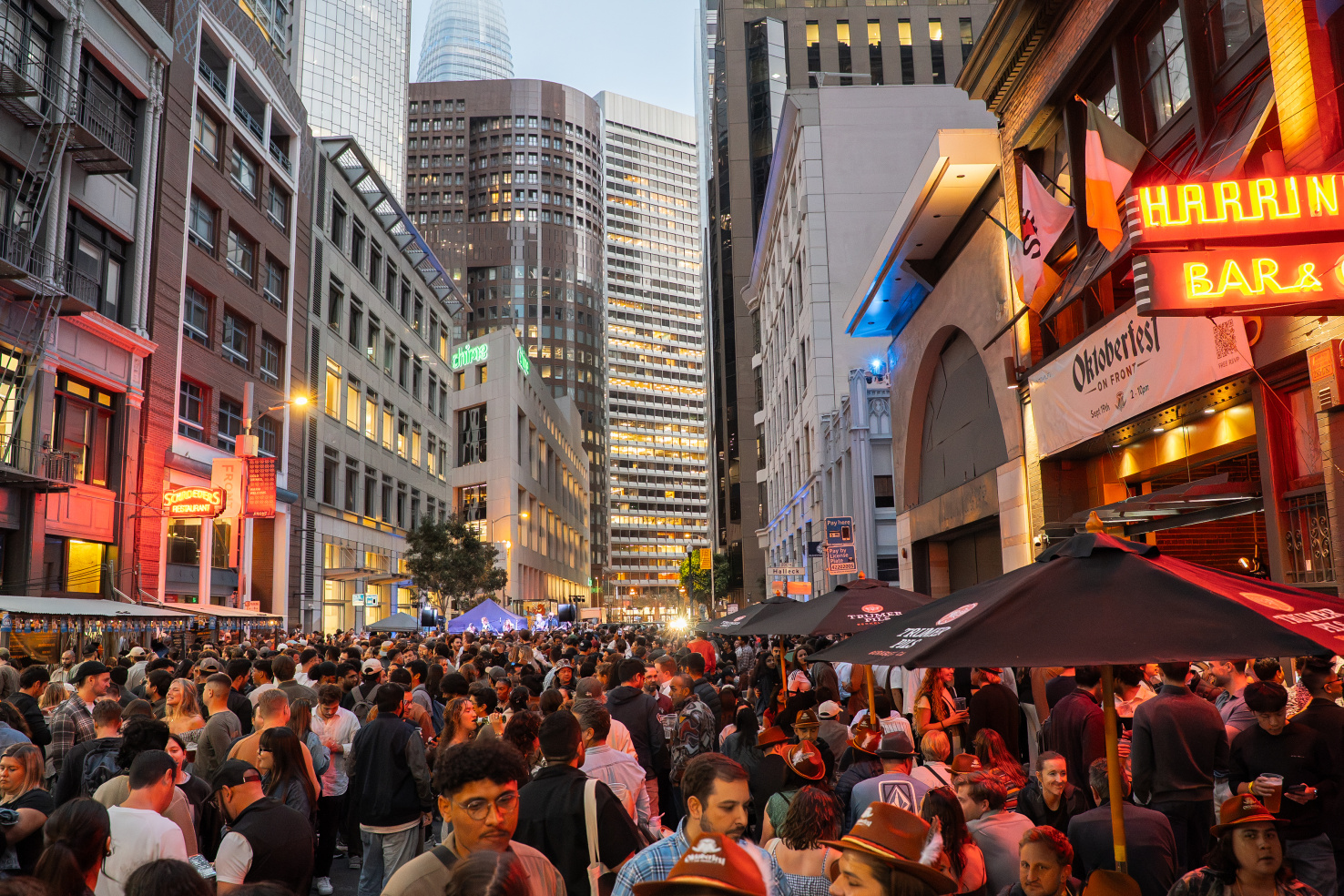
This is our moment to tell a more accurate story of American cities; to move beyond outdated perceptions and show that urban cores are safer and more vibrant than they’ve been in a decade.
Even amid reinvention, downtowns remain places the world should visit, experience, and admire. By strengthening public-private partnerships, investing in public space, pedestrianizing streets, and energizing small businesses from the ground up, we can ensure they rise to the occasion. These aren’t short-term fixes — they will outlast the immediate attention and help shift the center of gravity back to downtowns, where the future of our cities is decided.
Downtowns are the economic engines of our cities — and, in turn, our country. Their concentration of jobs, services, assets, and attractions generates an outsized share of tax revenue, funding infrastructure, schools, and essential services. When downtowns struggle, the consequences ripple far beyond city limits.
So, when the world tunes in, they’ll see more than stadiums. They’ll see who we are. Let’s not miss this chance to redefine the narrative.
—
Robbie Silver is the President and CEO of the Downtown SF Partnership, where he oversees the placemaking and management of 43 blocks in San Francisco’s Financial District, Jackson Square and the Embarcadero.
Suzanne Holley is President & CEO of the DTLA Alliance, a coalition of nearly 2,000 property owners in the central business district of Downtown Los Angeles whose mission is to make Downtown safe and clean and bring investment into the city center.

FTA Offers $100 Million in Transit Grants to World Cup Host Cities
Championship soccer games will be held in 11 U.S. cities this summer as part of the 2026 FIFA World Cup.
Dear Cities: Let’s Make FIFA Count
The first-ever pan-North American World Cup offers urban planners a unique opportunity: to undo the legacy of failed promises and show that mega events can actually benefit the cities they visit.
Midburbs: A New Definition of Suburbs
When the name “suburb” just doesn't quite fit.

Planetizen Federal Action Tracker
A weekly monitor of how Trump’s orders and actions are impacting planners and planning in America.

The state-sanctioned urbicide of Austin
People don’t kill cities. Freeways do.

US to reduce Colorado River water deliveries to Mexico
A new Colorado Treaty amendment reduces Mexico’s Colorado River water allocation by 250,000 acre feet.

5 New England states march closer to 800 megawatt wind energy project
Securing federal approval for the project may be complicated under the Trump administration, which has historically been hostile towards domestic wind power.

Baltimore to break ground on $50 million Transit Priority Project
The project will bring faster bus trips, safer streets and better bike connections to Baltimore.

Airbnb launches $250 million 'last-dollar financing' housing accelerator, makes first investment in Austin
The company will put $6.4 million towards affordable housing development in Texas’ capital.

FREE Course: Walkable City 1: Why Walkability?
After describing his path towards focusing on walkability as the essence of good planning, Jeff Speck marches through his five principal reasons for making more walkable places.
Reinventing Malls: Planning Alchemy—Turning Gray Fields Into Gold
The course focuses on the opportunities and imperatives that shape reinvention of mall sites.

Eagle County Government
Harvard University Graduate School of Design
Nashville Planning Department
The Architects Foundation
University of Cincinnati Online
The Pocatello Development Authority
The Urban Renewal Agency of the City of Pocatello
Journal of the American Planning Association

