From “Life Between Buildings” to “Human Transit,” Island Press has played a critical role in building the catalogue of literature that is foundational to urban planning.


Editor’s note: For years, Island Press has been a close friend and vital collaborator of Planetizen’s — a true member of the Planetizen family. They have also been one of the more powerful champions of urban planning literature for decades. Nearly everyone reading this post probably owns, has read or at least knows of one of the dozens of foundational books they have published. Without them and their catalogue, urban planning would look different today as we know it.
As they transition into a new chapter, we wanted to celebrate the immense contribution they have made to urban planning to date. The following post, written by Island Press staff, gives an inside look into just how hard they’ve worked to bring seminal urban planning works to the masses. Thank you, Island Press, for all you’ve done!
–
Island Press has been dedicated to publishing books on environmental issues for nearly 40 years. In the late 1990s, as the public conversation around suburban sprawl and auto dependency increased, we formed the built environment list — encompassing urban planning and design, urban ecology, and transportation. In January 2026 Island Press will become an imprint of Princeton University Press, and our catalog of over 1,000 books will be available alongside their extensive list. As an imprint, we will expand our built environment list and continue to empower urbanists to create communities that are more inclusive, affordable, sustainable, and livable.
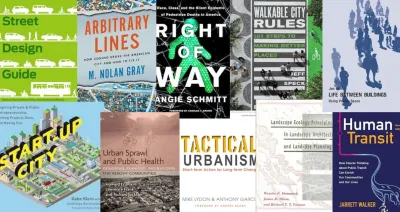
We considered the Island Press books that have been fundamental to the growth of the built environment list — not necessarily in terms of the number of books, but in helping us to fully understand the information needs of professionals, advocates, and interested citizens. These volumes were critical to our ability to expand into new disciplines, provide the latest tools, and push boundaries. It was a challenge to pick only 10, but we landed on these classics. While you may know the titles and authors, you might not have realized that Island Press was behind them. We take great pride in the impact our books have had in making cities more resilient and vibrant places to live. You can check out the full catalog at islandpress.org.
Landscape Ecology Principles for Land Use Planning and Landscape Architecture
Wenche Dramstad, James D. Olson, and Richard T.T. Forman (1996)
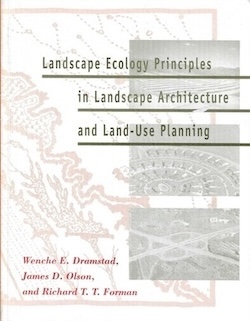 The Harvard Graduate School of Design printed this small primer for course use and asked if we were interested in taking over distribution for a wider audience. It was a departure from our usual book type at the time (under 100 pages and full color!). We took a chance and were pleased by the level of interest in this visual introduction to landscape ecology principles from the “father of landscape ecology”, which is still in use.
Urban Sprawl and Public Health
Howard Frumkin, Lawrence Frank, and Richard J. Jackson (2004)
 In this book, two luminaries in public health and one in planning joined forces to demystify the connections between the built environment and human health. Their book was influential in bringing planners, designers, and public health professionals into conversation. It has only become more important since the pandemic. As the work at this intersection of fields grew, we published Making Healthy Places with Howard Frumkin, in two editions.
Life Between Buildings
Jan Gehl (1971, published by IP 2008)
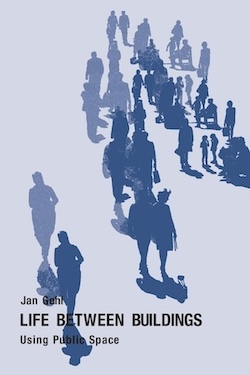 Upon recommendation, we reached out to Danish designer Jan Gehl, who had literally written the book on designing public space with people in mind. The English-language edition was long out of print, but in 2008, we published a new English edition, and it was readily adopted into courses and used by professionals. We then followed up with “Cities for People” and other Gehl books. His beautiful titles have attracted readers around the world (“Cities for People” has been translated into 24 languages and counting).
Human Transit
Jarrett Walker (2011)
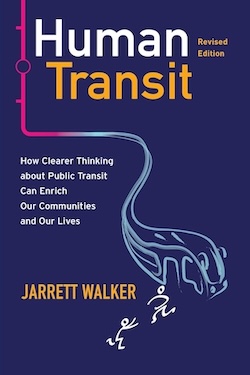 This book was developed from a blog of the same name. This was early in the blog-writing craze, and we were learning how to add value to blog content in book format. Jarrett did this successfully and his book soon became highly coveted book for anyone wanting to understand transit. In it, Walker explains the basic principles of transit to help both professionals and advocates make more informed decisions about designing transit.
Urban Street Design Guide
National Association of City Transportation Officials (NACTO) (2013)
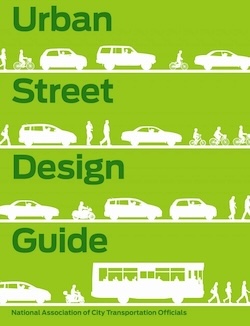 After successfully distributing NACTO’s “Urban Bikeway Design Guide” and increasing the reach of the book to the point that we took over publication, Island Press became the publisher for the NACTO series of guides. The classic guide, the “Urban Street Design Guide,” delivers a blueprint for designing twenty-first-century streets that are safer, more livable, and more economically vibrant. States, cities, and the U.S. Department of Transportation have all endorsed this guide.
Tactical Urbanism
Mike Lydon and Anthony Garcia (2015)
 At an early 2000 conference of the Congress for the New Urbanism, there was a buzz about the most inspiring talk by these “tactical urbanists.” We reached out to Mike Lydon, whose early write-up of the idea crashed his website soon after it was posted. This book immediately became the “bible” of the Tactical Urbanism movement when it was published. It captures the ideas, examples, and how-tos of what is now a mainstream tool for creating positive change in cities.
Start-Up City
Gabe Klein with David Vega-Barachowitz (2015)
This small, four-color book was designed to be read in an hour by people like the author who do not have time to read books. Gabe’s book about how local government should operate more like a startup was the first book we launched with an accompanying music video and Twitter unlocking campaign. It was a fun book that reached well beyond the professional planning field.
Walkable City Rules
Jeff Speck (2018)
 After speaking with Jeff many times about books at a few CNU meetings, he finally had a project he felt fit with Island Press. He reported that the number one question he received when doing events for his classic book, “Walkable City,” was “How do I do this in my city?” He responded by showing, in 101 spreads, how anyone can make their community more livable.
Right of Way
Angie Schmitt (2020)
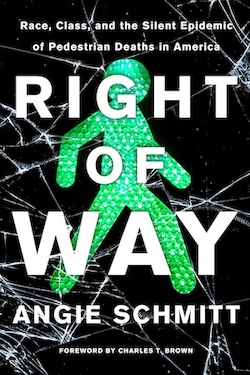 After reporting on issues of traffic violence and injustice, Schmitt knew there were more stories to tell. The result is this engaging book, which fundamentally changed the conversation on traffic violence and shed light on the inequities in street safety.
Arbitrary Lines
Nolan Gray (2022)
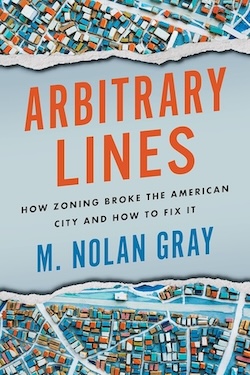 While zoning is an issue that affects everyone, few people have been enthused to read about it. But then came Nolan Gray. In the book (and in his extensive social media presence), he advocates for abolishing zoning, arguing for more inclusive and fair approaches to building up our communities. His book opened up broader conversations on zoning and prompted much debate.

Is it Time to Revive the Pattern Language?
Software and other fields have made brilliant progress with the pattern language methodology, while built environment fields lag badly, mired in parochial debates over the massive book that invented the methodology.
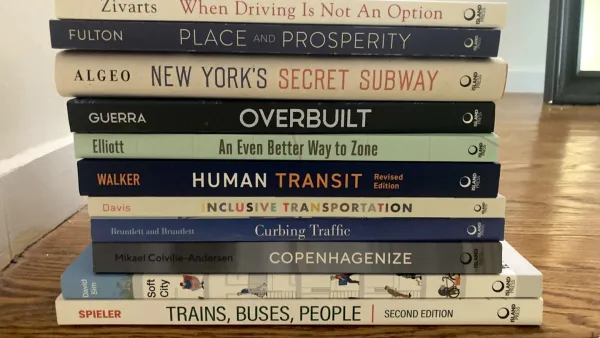
Publishing for Planners: A New Era for Island Press
As the legendary legacy publisher transitions into a new life phase, publisher Heather Boyer and senior editor Stacy Eisenstark reflect on the past and the future of creating books for planners.
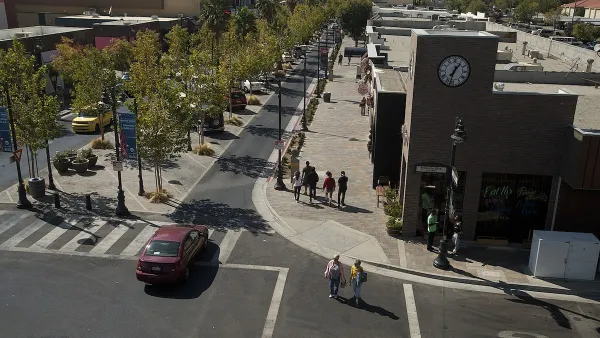
The Vast Potential of the Right-of-Way
One writer argues that the space between two building faces is the most important element of the built environment.

Planetizen Federal Action Tracker
A weekly monitor of how Trump’s orders and actions are impacting planners and planning in America.

Amtrak, CN end decades-long dispute with eight-year agreement
The new operating agreement establishes an updated framework for the companies to work together, including processes to resolve disputes.

Northwest rail fans eager for Sept. 30 debut of Amtrak’s Airo fleet
Get ready for that new train smell and more seats. But they won’t go faster or run more frequently on the Cascades route in Washington and Oregon.

MTA looks to bring AI-assisted, multilingual announcement system to subways
Some of the transit agency’s audio systems haven’t been upgraded in 40 years.

Houston Metro makes on-demand rideshare pilot a permanent part of its network
The transit agency is launching upgrades to three of its on-demand services.

LAX SkyLink opening delayed again, contractor won’t commit to new deadline
The project was supposed to open its doors to the public in 2023.

FREE Course: Walkable City 1: Why Walkability?
After describing his path towards focusing on walkability as the essence of good planning, Jeff Speck marches through his five principal reasons for making more walkable places.
Reinventing Malls: Planning Alchemy—Turning Gray Fields Into Gold
The course focuses on the opportunities and imperatives that shape reinvention of mall sites.

City of Thousand Oaks
City of Wisconsin Rapids
Harvard University Graduate School of Design
The Architects Foundation
University of Cincinnati Online
The Pocatello Development Authority
The Urban Renewal Agency of the City of Pocatello

