Far more than mere ribbons of concrete, author Michael Pollack argues that it's time we treat sidewalks as what they are: one of the most complex — and vital — pieces social infrastructure on earth.



This review is part of a special collaboration between Planetizen and Booked on Planning, a biweekly podcast where AICP planner Stephanie Rouse and Jennifer Hiatt chat with authors of the latest books shaping urban planning today. Listen to the episode with today’s author in the player below.
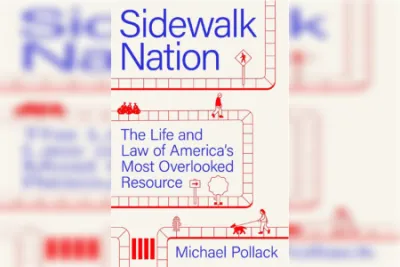
You probably walk on them every day, but how often have you stopped to actually think about sidewalks? I know I don’t. But Michael Pollack does. And he turns a spotlight on the modest strips of concrete beneath our feet in his book “Sidewalk Nation: The Life and Law of America’s Most Overlooked Resource.” Pollack reveals that sidewalks are one of the most vital — and fiercely contested — arenas of modern American public life.
Pollack analyzes sidewalks through a broad lens, looking at a wide range of communities from the largest cities in the world to the smallest, rural mountain towns; red and blue cities; cities that take pride in their sidewalks and cities that don’t have any. He uses these on-the-ground visits to explore how varied communities manage, or fail to manage, their public pathways.
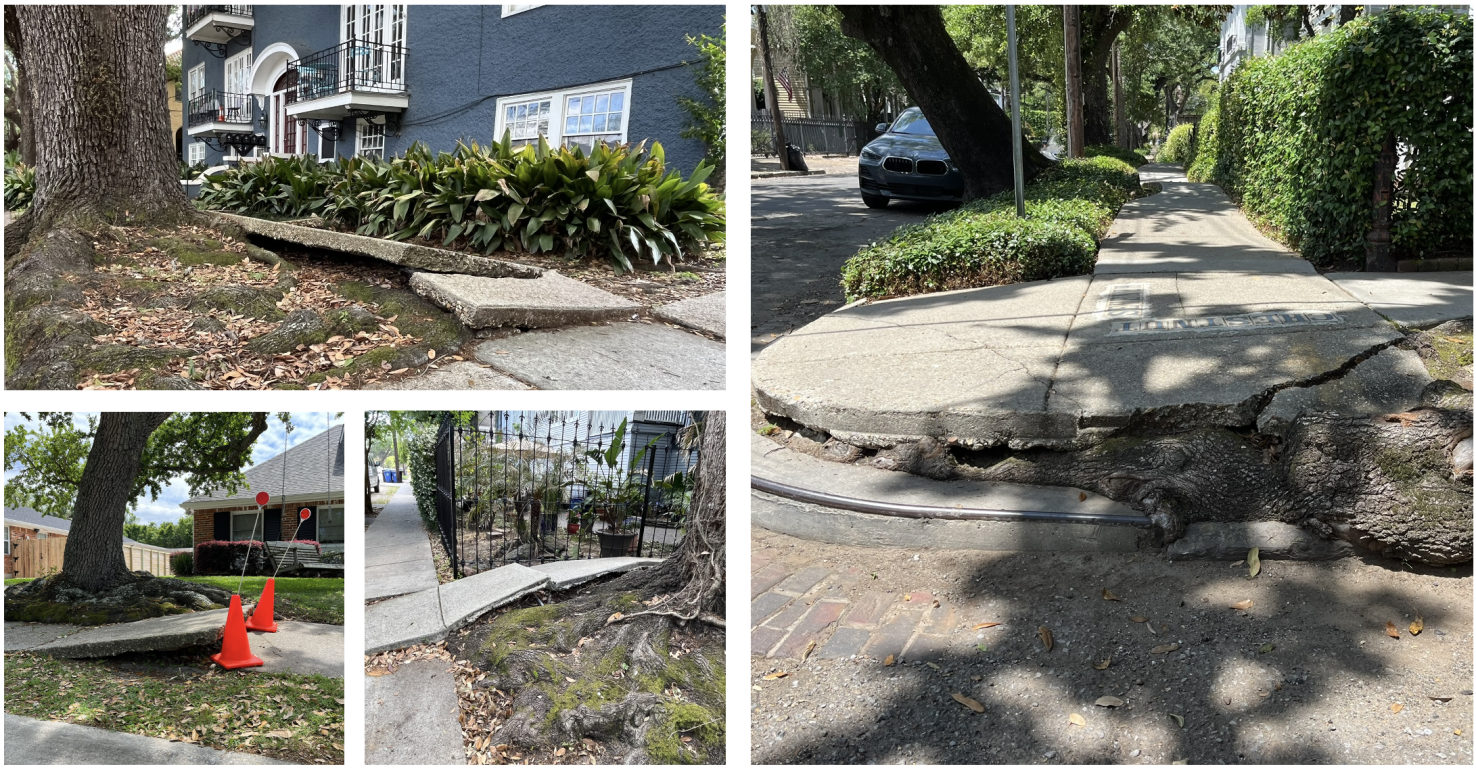
Rather than delivering a dry treatise on local ordinances, Pollack weaves together human-centered stories with legal expertise in property law, zoning, and municipal governance. He examines the practical questions that impact public right-of-way: How does a city balance ADA accessibility requirements with outdoor dining? Who should be responsible for snow removal? How do sidewalks intersect with our constitutional rights?
What makes “Sidewalk Nation” such a compelling read is Pollack’s ability to take mundane municipal issues and show the importance of their social and political consequences. Sidewalks are where property rights collide with public access, where small businesses fight for patio space, and pressing debates around homelessness, policing, and equity play out daily.
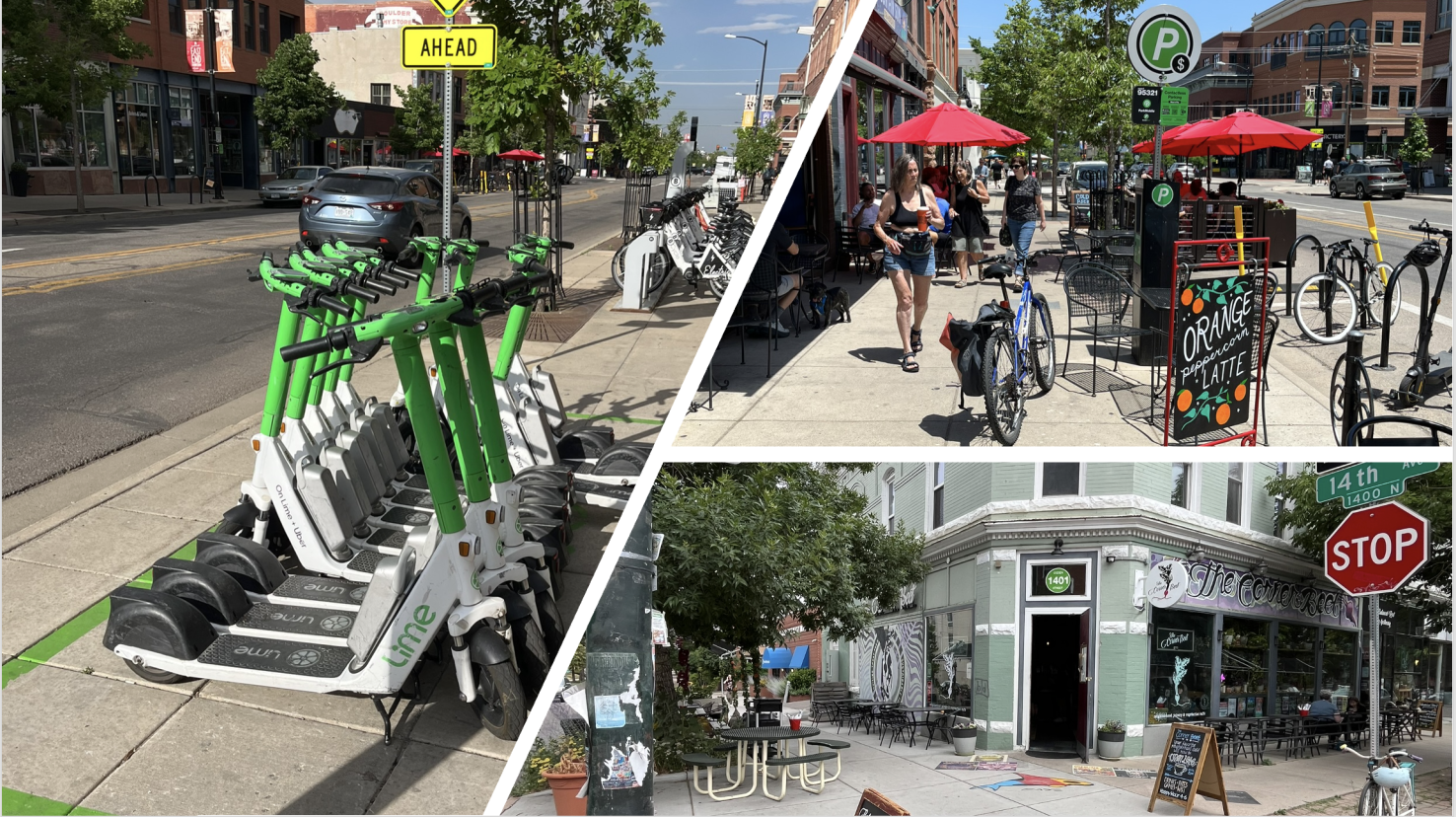
Pollack argues that sidewalks should not be treated as leftover space or an afterthought of urban planning, but rather as crucial social infrastructure. He calls for a forward-looking vision of reform, the “Department of Sidewalks,” and calls on local governments to secure proper funding and take direct responsibility for maintaining and protecting these communal spaces. No more piecemeal networks created by leaving sidewalk construction and maintenance to private property owners.
Written from the perspective of a person who knows a thing or two about sidewalks, “Sidewalk Nation” will permanently change the way you navigate your own community. It is an important read for urban planners, legal scholars, local policymakers, and anyone who cares about building more livable, equitable, and walkable communities. Pollack proves that if we want to fix our public life, the place to start is somewhere you walk every day.

90% of NYC Intersections Lack Audible Crossing Signals for Blind Pedestrians
People with vision impairments rely on a complex network of tactile and audible signals to navigate cities.
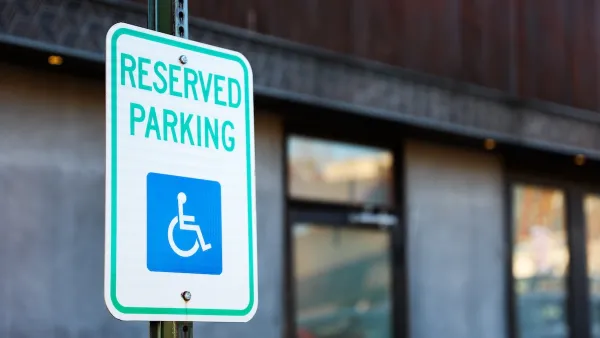
Raleigh Pilots App-Based Feedback Program for Accessible Parking
The city is using the program to collect real-time information about accessibility issues and correct them quickly.
Mobile App Makes DC Transit Easy to Navigate for Visually Impaired Riders
The app gives step-by-step directions and audio and visual cues accessible from anywhere for thousands of bus stops and rail stations.

Planetizen Federal Action Tracker
A weekly monitor of how Trump’s orders and actions are impacting planners and planning in America.

Data reveals that NYC’s bet on congestion pricing has paid off
After almost two years of the program, reports show positive impacts on traffic and air quality and no disruptions to parking.

HUD modernizes 50-year-old manufactured housing framework
The Next Generation Manufactured Housing Action Plan establishes new energy-efficiency standards for manufactured homes, and new guidelines for anchoring them.

Developers sue Mississippi landowners who object to pipeline through their land
Because the Federal Energy Regulatory Commission approved the pipeline project, the developer can use private land without the consent of the owner.

A gas leak in NYC is costing residents $300 million
More than 90% of NYC’s electricity is from natural gas. About 2% of that gas is leaking and escaping into the air.

CA officials have the power to fix the state’s riskiest dams. They’ve never used it
California’s 40 most hazardous dams would endanger up to 1.5 million people if they failed.

FREE Course: Walkable City 1: Why Walkability?
After describing his path towards focusing on walkability as the essence of good planning, Jeff Speck marches through his five principal reasons for making more walkable places.
Reinventing Malls: Planning Alchemy—Turning Gray Fields Into Gold
The course focuses on the opportunities and imperatives that shape reinvention of mall sites.

One Hundred Miles
County of Mendocino
planning NEXT
The Architects Foundation
University of Cincinnati Online
Montrose County
Northern Illinois Transit Authority (NITA)
The Pocatello Development Authority

