The nation's third lowest gas tax will likely see a 10-cent gas tax hike—with or without Gov. Nikki Haley's signature, who insists on a larger income tax reduction than in the bill that overwhelmingly passed the House and is now in the Senate.


"The real fight [April 15] was over the income tax cut and not the road funding," writes Stephanie Coueignoux and states in the accompanying news video. "Gov. Nikki R. Haley and some Republicans want a bigger income tax cut" than the $48 savings the House agreed to.
Haley has already indicated she agreed to a 10-cent gas tax increase "only if lawmakers also reduce the income tax rate from 7 to 5 percent and also scrap the current system for a highway commission," wrote Tim Smith for The Greenville News in March.
Two amendments were proposed in the House to increase the income tax cut, but they were easily defeated. "All the lawmakers speaking against them were Republicans who said the state simply ignored roads for so long that it can't afford to both improve highways and give taxpayers money back," writes Coueignoux.
A 10-cent gas tax increase would yield $400 million annually, just over half of what a March Senate panel had agreed to in a "20 cents over five years and to index it for inflation," added Smith, resulting in a $700 million increase annually.
The House vote on April 15 is veto-proof, and it would appear that the Senate wants a higher gas tax than 10-cents and/or more revenue mechanisms to meet the "$1.4 billion more a year to bring the state's roads and bridges to good condition" according to state's highway commission, wrote Smith.
Speaking in support of raising the gas tax was M. Jack Sanders, "(t)he chief executive of Sonoco, the state’s largest home-based company, (who) said the state’s poor roads will stall industrial recruitment and cause existing companies to expand elsewhere," writes Jeff Wilkinson of The State on April 21.
Sonoco estimates that poor roads cost the global packaging giant up to $5 million annually in increased maintenance to its trucks as well as driving farther to avoid bad South Carolina roads.
The 16.75-cents gas tax was last raised over a generation ago in 1989. Only Alaska and New Jersey have lower gas taxes, according to the American Petroleum Institute as of April 1 [PDF]. The average state gas tax is 28.14-cents.
As was just seen in Idaho's seven-cent gas tax increase, and Alaska's tax increase, if only .95 cents, South Carolina is a Republican state government trifecta, i.e., three positions of state government are controlled by Republicans, so the struggle to increase the gas tax is not a partisan issue.
The last day of the South Carolina legislative season is June 4.
As noted in the recent post about neighboring North Carolina passing legislation to reduce the size of their required gas tax cut resulting from lower oil prices, South Carolina's lower gas prices added to the difficulty of raising or stabilizing gas taxes in the Tar Heel State.
The Associated Press contributed to the WSOC report.
Hat tip: AASHTO Journal
FULL STORY: SC House approves bill that would raise gas tax by 10 cents

Idaho Surprise: Gas Tax Hike Signed Into Law
The legislature passed the seven-cent increase on April 11, the final day of the legislative session. Gov. C.L. "Butch" Otter signed the bill on April 21, also increasing registration fees by $21. On April 1, the bill had been considered dead.
Gas Tax Increase Approved in Ohio
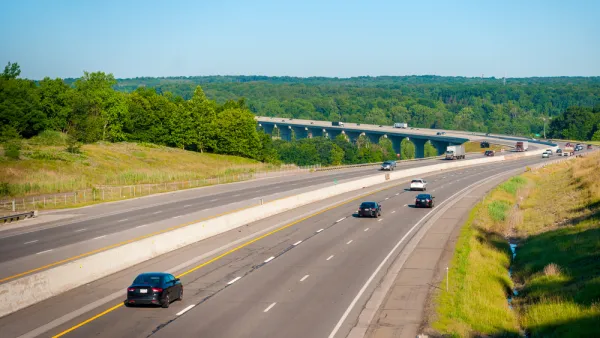
On July 1, motorists in Ohio will pay an additional 10.5 cents per gallon to fill up, while truckers will pay 19 cents per gallon more on diesel fuel sales. Accompanying the tax hikes are two controversial provisions that DeWine chose not to veto.
California's Record Fuel Taxes Hike Passes Legislature in One Day
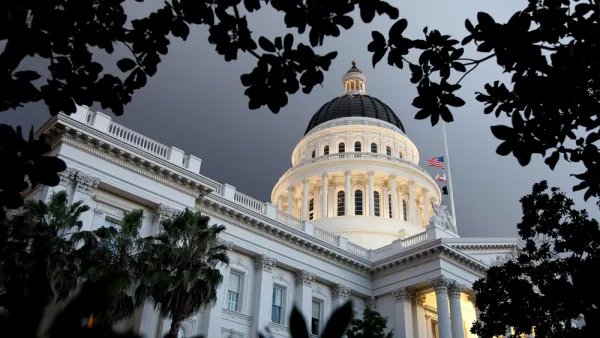
On April 6, the Senate and Assembly passed a comprehensive transportation funding package that it had been unable to do for years, thanks to much deal-making by Gov. Jerry Brown. The gas tax will increase by 12 cents per gallon on November 1.

The state-sanctioned urbicide of Austin
People don’t kill cities. Freeways do.

US to reduce Colorado River water deliveries to Mexico
A new Colorado Treaty amendment reduces Mexico’s Colorado River water allocation by 250,000 acre feet.

New Jersey’s second-largest city bans standalone data centers
Jersey City will continue to allow co-location facilities, such as those meant for research institutions that store their own data.

Amtrak not solely to blame for New Jersey commuter rail's unreliability, report finds
A new study from the Garden State Initiative found that NJ Transit’s budget grew 20% across a 4 year period, but reliability declined significantly over the same period.

EPA erases limits on planet-warming pollution from power plants
Under Monday’s plan, power plants would still have some limits on how much mercury, arsenic and other contaminants they can emit.

Phoenix announces new on-demand transit service, more frequent RAPID buses
Both new services will launch in October, and are part of Phoenix's Project Effective Access Solutions for Easing Congestion.

FREE Course: Walkable City 1: Why Walkability?
After describing his path towards focusing on walkability as the essence of good planning, Jeff Speck marches through his five principal reasons for making more walkable places.
Reinventing Malls: Planning Alchemy—Turning Gray Fields Into Gold
The course focuses on the opportunities and imperatives that shape reinvention of mall sites.

Eagle County Government
Harvard University Graduate School of Design
Nashville Planning Department
The Architects Foundation
University of Cincinnati Online
The Pocatello Development Authority
The Urban Renewal Agency of the City of Pocatello
Journal of the American Planning Association