




















The NYT chief art critic, Michael Kimmelman, reviews Madrid's almost complete six-mile long park, Madrid Rio, that is having a transformative effect on the city. The park was made possible by the under-grounding of the M-30 ring road.


Kimmelman adds Madrid Rio to the growing list of new urban spaces around the world made possible by taking down freeways, beginning with San Francisco's elevated Embarcadero Freeway in 1989. Unlike the San Francisco boulevard replacement, Madrid Mayor Alberto Ruíz-Gallardón chose a much more expensive alternative, costing $4.5 billion to tunnel the freeway. Madrid Rio also reclaims the Manzanares River-front.
"More than six miles long, it transforms a formerly neglected area in the middle of Spain's capital. Its creation, in four years, atop a complex network of tunnels dug to bury an intrusive highway, also rejuvenates a long-lost stretch of the Manzanares River, and in so doing knits together neighborhoods that the highway had cut off from the city center.
All around the world, highways are being torn down and waterfronts reclaimed; decades of thinking about cars and cities reversed; new public spaces created."
Madrid Rio includes more than just green space.
"(T)he park belongs to a larger transformation that includes the construction of dozens of new metro and light-rail stations that link far-flung, disconnected and often poor districts on Madrid's outskirts to downtown."
FULL STORY: In Madrid's Heart, Park Blooms Where a Freeway Once Blighted

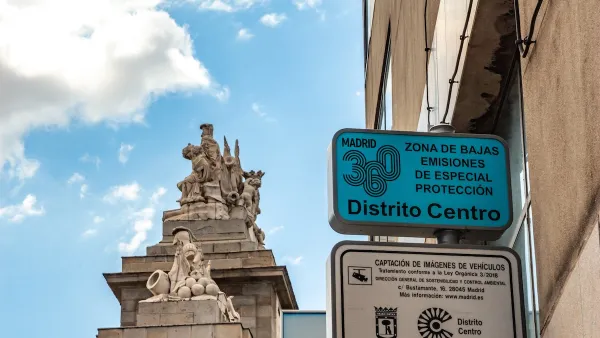
Madrid Uses Transit System for Parcel Delivery to Cut Emissions
A new pilot program uses trains to deliver packages at off-peak hours, lowering emissions from trucks.
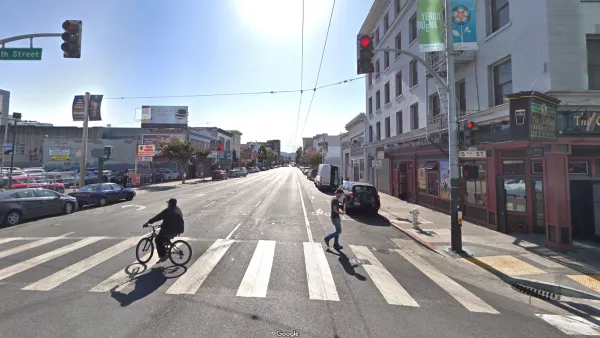
Madrid Has the Bike Infrastructure Model the U.S. Needs
A happy accident, Madrid may have stumbled onto a bike infrastructure program with great results. Only time will tell if "slow" lanes yield long-term positive results.
Driving Ban in Madrid Central Survives Despite Change of Leadership
In sharp contrast to France's yellow vest demonstrations against fuel tax hikes, Madrid residents took to the streets to keep them free of motor vehicles after new leaders were elected who vowed to rescind the driving ban enacted last November.

Planetizen Federal Action Tracker
A weekly monitor of how Trump’s orders and actions are impacting planners and planning in America.
Chicago’s Ghost Rails
Just beneath the surface of the modern city lie the remnants of its expansive early 20th-century streetcar system.
Amtrak Cutting Jobs, Funding to High-Speed Rail
The agency plans to cut 10 percent of its workforce and has confirmed it will not fund new high-speed rail projects.

Ohio Forces Data Centers to Prepay for Power
Utilities are calling on states to hold data center operators responsible for new energy demands to prevent leaving consumers on the hook for their bills.

MARTA CEO Steps Down Amid Citizenship Concerns
MARTA’s board announced Thursday that its chief, who is from Canada, is resigning due to questions about his immigration status.

Silicon Valley ‘Bike Superhighway’ Awarded $14M State Grant
A Caltrans grant brings the 10-mile Central Bikeway project connecting Santa Clara and East San Jose closer to fruition.

Urban Design for Planners 1: Software Tools
This six-course series explores essential urban design concepts using open source software and equips planners with the tools they need to participate fully in the urban design process.
Planning for Universal Design
Learn the tools for implementing Universal Design in planning regulations.

Caltrans
City of Fort Worth
Mpact (founded as Rail~Volution)
City of Camden Redevelopment Agency
City of Astoria
City of Portland
City of Laramie