


















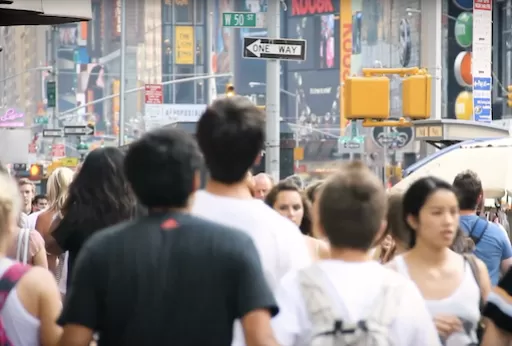
This 6-minute video looks at how New York City streets have changed after a mere three years of planning. Pedestrian plazas, bike lanes, and bus rapid transit are the major projects highlighted, and the improvements to economy, health, and happiness


EMBARQ (the World Resources Institute's Center for Sustainable Transport) "gives a great overview of the change happening in New York. It includes comments from the city's trailblazing transportation commissioner, Janette Sadik-Khan, and Mayor Michael Bloomberg" as well as Streetsblog's founding editor, Aaron Naparstek.
Mayor Bloomberg: "We have increased life expectancy by 1 year, 7 months due in part to reduced traffic fatalities".
Janette Sadik-Khan: "Once you realize that you can use your street to improve the quality of life, the economic and environmental health of your city, that is a transformative moment... You don't have to be a big city like NY to be able to make changes that matter".
Thanks to Grist
FULL STORY: How NYC's streets are being reclaimed from the automobile [VIDEO]


Planetizen Federal Action Tracker
A weekly monitor of how Trump’s orders and actions are impacting planners and planning in America.

Congressman Proposes Bill to Rename DC Metro “Trump Train”
The Make Autorail Great Again Act would withhold federal funding to the system until the Washington Metropolitan Area Transit Authority (WMATA), rebrands as the Washington Metropolitan Authority for Greater Access (WMAGA).
The Simple Legislative Tool Transforming Vacant Downtowns
In California, Michigan and Georgia, an easy win is bringing dollars — and delight — back to city centers.

The States Losing Rural Delivery Rooms at an Alarming Pace
In some states, as few as 9% of rural hospitals still deliver babies. As a result, rising pre-term births, no adequate pre-term care and "harrowing" close calls are a growing reality.

The Small South Asian Republic Going all in on EVs
Thanks to one simple policy change less than five years ago, 65% of new cars in this Himalayan country are now electric.

DC Backpedals on Bike Lane Protection, Swaps Barriers for Paint
Citing aesthetic concerns, the city is removing the concrete barriers and flexposts that once separated Arizona Avenue cyclists from motor vehicles.

Urban Design for Planners 1: Software Tools
This six-course series explores essential urban design concepts using open source software and equips planners with the tools they need to participate fully in the urban design process.
Planning for Universal Design
Learn the tools for implementing Universal Design in planning regulations.

Smith Gee Studio
City of Charlotte
City of Camden Redevelopment Agency
City of Astoria
Transportation Research & Education Center (TREC) at Portland State University
US High Speed Rail Association
City of Camden Redevelopment Agency
Municipality of Princeton (NJ)