In this 'anything-goes' Q & A between the NYT Magazine with Secretary of Transportation Ray LaHood, we learn about the derivation of his name, the car he drives, and more appropriate topics liks HSR, infrastructure, and George Will.


LaHood drives a 1998, 15-mpg Buick Regal, is of Lebanese descent, and regards himself as being part of the majority party despite being a registered Republican.
"NYT: President Obama has talked about his desire to wean Americans off automobiles.
RLH: What we've talked about is getting to a concept that we call livable communities, where people don't have to get in a car every day. You can use light rail, you can use buses, you can use walking paths, you can use your bike.
As for the most pressing transportation need, LaHood points to the need to repair America's "streets, roads and bridges". Rails may have been inadvertently overlooked.
Thanks to NYTimes.com's Politics newsletter
Read the full story: Questions for Ray Lahood: The Roads Warrior
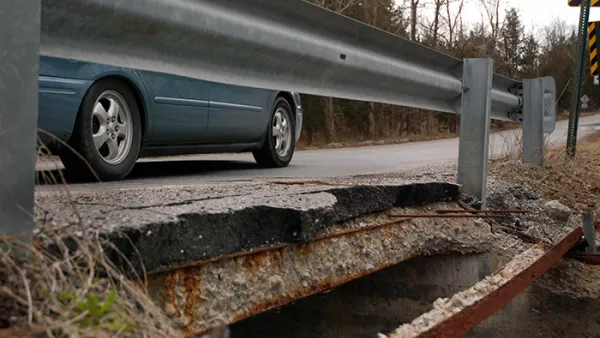
Friday Funny: Infrastructure: 'If Anything Exciting Happens We've Done it Wrong'
The news satire show "Last Week Tonight with John Oliver" gave comic treatment to the country's ever-present, much-neglected infrastructure crisis. It's hilarious and scary. At the same time!
Ray LaHood Joins the Board of the Lincoln Institute of Land Policy
Former U.S. Transportation Secretary Ray LaHood, one of the country's most recognizable voices of leadership for infrastructure investment, will join the Board of the Lincoln Institute of land Policy.
Report Aims to Reinvent the MTA; Critics Say it Misses the Mark
After Capital New York leaked an early draft of the report by a MTA Transportation Reinvention Commission, critics are wondering if the commission is living up to its titular promise.

Planetizen Federal Action Tracker
A weekly monitor of how Trump’s orders and actions are impacting planners and planning in America.

Eastern Nebraska is running out of electricity
Data centers and electrification are straining eastern Nebraska’s grid, throttling economic development.

Study reveals best places in the U.S. for cycling, walking
New research from Streetlight Data examines bicycle and pedestrian miles per capita in the 100 largest U.S. cities by population.

Developers reveal $10 billion stadium plan as ‘Hail Mary’ to keep Bears in Chicago
The plan would also boast a public park, high- and mid-rise buildings and a youth sports complex.

As Texas embraces carbon storage, a Black community questions the risks
Texas now issues permits for companies to store carbon dioxide underground. East Texas residents fear safety risks, and skeptics doubt the climate benefits.

New BLM proposal would slash public comment periods, environmental protections
The proposed rewrite would also strip legal leverage from Tribal nations and state governments.

FREE Course: Walkable City 1: Why Walkability?
After describing his path towards focusing on walkability as the essence of good planning, Jeff Speck marches through his five principal reasons for making more walkable places.
Reinventing Malls: Planning Alchemy—Turning Gray Fields Into Gold
The course focuses on the opportunities and imperatives that shape reinvention of mall sites.

City of Rosemead
Rutgers University, Edward J. Bloustein School of Planning and Public Policy
One Hundred Miles
University of Michigan School for Environment and Sustainability (SEAS)
Hunter College, City University of New York (CUNY)
The Architects Foundation
City of Cambridge
The Pocatello Development Authority
The Urban Renewal Agency of the City of Pocatello