



















An 800-mile HOT lane 'network' proposed for the Bay Area is now a bill in the state legislature. The MPO estimates it will reduce congestion and emissions while raising funds for transit. U.C. Berkeley's Pravin Varaiya insists it will lose money.


The Metropolitan Transportation Commission "estimates that turning the Bay Area's 500 miles of carpool lanes into toll lanes, along with adding 300 miles of new toll lanes, will generate $6.1 billion in profit over the next 25 years.
But one UC Berkeley engineering professor who has studied the effectiveness of carpool and toll lanes says the idea is wildly optimistic, and he predicts it will ultimately waste huge amounts of taxpayer money.
For years, professor Pravin Varaiya of UC Berkeley's electrical engineering and computer sciences department has pored over extensive amounts of CalTrans data. He concludes that the new toll lanes will lose money for two main reasons:
* In less-congested areas, not enough people will use them.
* On the Bay Area's more-congested freeways, heavy demand from carpoolers won't leave enough room for those single-occupancy vehicles that would pay the new toll.
"I'm willing to bet that the toll lanes won't be able recover operating costs, let alone the capital costs," he said.
Thanks to Justin Horner
FULL STORY: Bay Area Toll Lanes Could Lose Money


More Bikes, Stations Coming to Bay Wheels Bike Share
The Bay Area network is adding 2,000 e-bikes to meet their growing popularity.

A Second Transbay Tube for BART: Let the Planning Commence
BART passengers could someday see a second route across the San Francisco Bay, with a parallel but totally new alignment and crossing points on the either side of the bay.
Bay Area Adopts Regional Transportation Plan
On Earth Day, the Bay Area's MPO- the Metropolitan Transportation Commission, formally adopted their Regional Transportation Plan that includes a controversial 800-mile High Occupancy Toll lane network that is dependent on the passage of legislation.
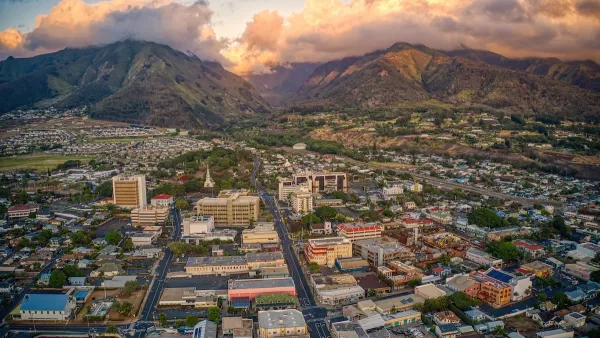
Maui's Vacation Rental Debate Turns Ugly
Verbal attacks, misinformation campaigns and fistfights plague a high-stakes debate to convert thousands of vacation rentals into long-term housing.
Planetizen Federal Action Tracker
A weekly monitor of how Trump’s orders and actions are impacting planners and planning in America.
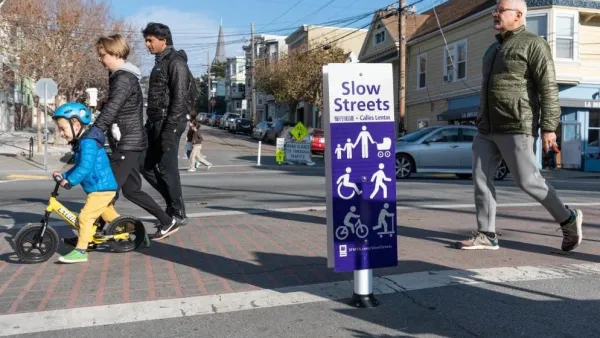
San Francisco Suspends Traffic Calming Amidst Record Deaths
Citing “a challenging fiscal landscape,” the city will cease the program on the heels of 42 traffic deaths, including 24 pedestrians.

Defunct Pittsburgh Power Plant to Become Residential Tower
A decommissioned steam heat plant will be redeveloped into almost 100 affordable housing units.

Trump Prompts Restructuring of Transportation Research Board in “Unprecedented Overreach”
The TRB has eliminated more than half of its committees including those focused on climate, equity, and cities.

Amtrak Rolls Out New Orleans to Alabama “Mardi Gras” Train
The new service will operate morning and evening departures between Mobile and New Orleans.

Urban Design for Planners 1: Software Tools
This six-course series explores essential urban design concepts using open source software and equips planners with the tools they need to participate fully in the urban design process.
Planning for Universal Design
Learn the tools for implementing Universal Design in planning regulations.

Heyer Gruel & Associates PA
JM Goldson LLC
Custer County Colorado
City of Camden Redevelopment Agency
City of Astoria
Transportation Research & Education Center (TREC) at Portland State University
Jefferson Parish Government
Camden Redevelopment Agency
City of Claremont