This piece from Metropolis looks at a rail line that was converted into a bike trail in Detroit, and how it has become a well-used neighborhood connector.


"Detroit's Dequindre Cut is a walking-and-cycling trail running below street level along a stretch of abandoned rail line just east of downtown. Designed by JJR, a locally based landscape-design firm, the project cost $3.75 million, a drop in the bucket compared to the $110 million the region has already invested in greenway development. Still, the graffiti-lined trench has captured the area's imagination like no mere bike path could."
"But what the trail connects is as important as how it looks. Its three access points are the recently redeveloped Detroit Riverfront; Lafayette Park, a well-established residential community that boasts the world's largest collection of Mies van der Rohe buildings; and the southern end of Eastern Market, a popular outdoor market with specialty shops and restaurants."
Read the full story: Cut Loose from the Car


Detroit to transform waterfront with $2.2 billion investment
Developers will convert about 18 acres of unused parking lot space into civic spaces.
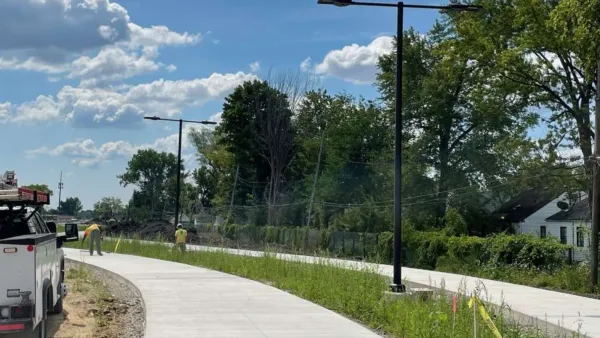
Detroit greenway brings revival — and fears of displacement
The planned Joe Louis Greenway is already bringing change to the neighborhoods near it.
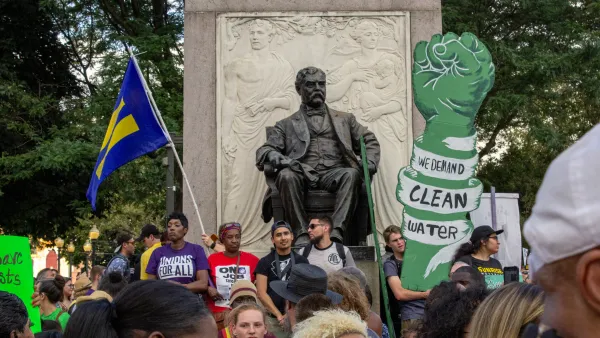
Some Detroit residents spend as much as 25% of their disposable income on water bills. A fraught history explains why.
Detroit’s water affordability crisis is tied to the uneven distribution of stormwater management costs.

Planetizen Federal Action Tracker
A weekly monitor of how Trump’s orders and actions are impacting planners and planning in America.

Data reveals that NYC’s bet on congestion pricing has paid off
After almost two years of the program, reports show positive impacts on traffic and air quality and no disruptions to parking.
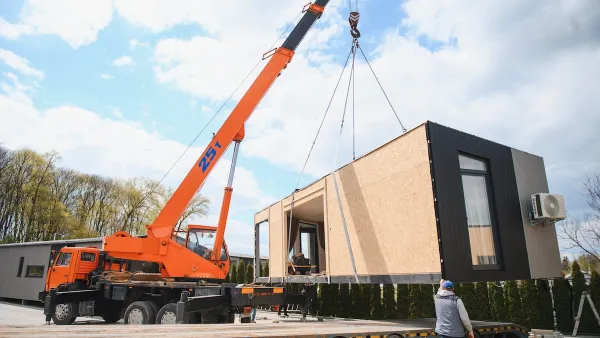
HUD modernizes 50-year-old manufactured housing framework
The Next Generation Manufactured Housing Action Plan establishes new energy-efficiency standards for manufactured homes, and new guidelines for anchoring them.

California voters weigh $11.25 billion housing bond
Prop. 1, combined with other funding, would support over 40,000 new rental units in California.

Connecticut is turning landfills into green infrastructure
Twenty-nine solar arrays have been built, or approved to be built, on top of Connecticut landfills.

Trump guts ‘win-win’ solar energy program for rural farmers
The U.S. Department of Agriculture’s changes have made virtually all solar power ineligible for funding through the Rural Energy for America Program.

FREE Course: Walkable City 1: Why Walkability?
After describing his path towards focusing on walkability as the essence of good planning, Jeff Speck marches through his five principal reasons for making more walkable places.
Reinventing Malls: Planning Alchemy—Turning Gray Fields Into Gold
The course focuses on the opportunities and imperatives that shape reinvention of mall sites.

One Hundred Miles
County of Mendocino
planning NEXT
The Architects Foundation
University of Cincinnati Online
Montrose County
Northern Illinois Transit Authority (NITA)
The Pocatello Development Authority