




















A new transportation corridor prompts the coordination of transportation and land use planning efforts in Boise.


"The (Boise) West End will go from a predominantly residential area to one that combines single-family homes, townhouses, condominiums and apartments with commercial hubs designed to serve the surrounding neighborhoods. Add a tree-lined avenue and buildings with clear design standards, and the area could become the city's next fashionable neighborhood.
Even many of the residents who have taken part in the expanded planning process seem to agree that there is plenty of room for improvement, but at what cost?
Some worry that new development could force lower-income families out of the area, and in the process, destroy the character of the diverse neighborhood.
"It's a question of affordability," said Miguel Gaddi, senior planner at HDR Engineering. "Are you going to enforce, or come up with some incentives where you ask developers to maintain a certain level of affordable properties?"
Gaddi has been studying the West End neighborhood as part of his work completing the specific area plan for the city. "If you don't have that mix, that vibrancy is not going to be there," Gaddi said."
Thanks to Jon Cecil, AICP
FULL STORY: 30th Street Master Plan


Planetizen Federal Action Tracker
A weekly monitor of how Trump’s orders and actions are impacting planners and planning in America.
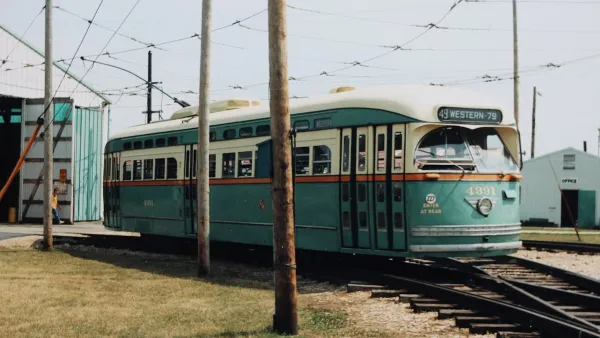
Chicago’s Ghost Rails
Just beneath the surface of the modern city lie the remnants of its expansive early 20th-century streetcar system.
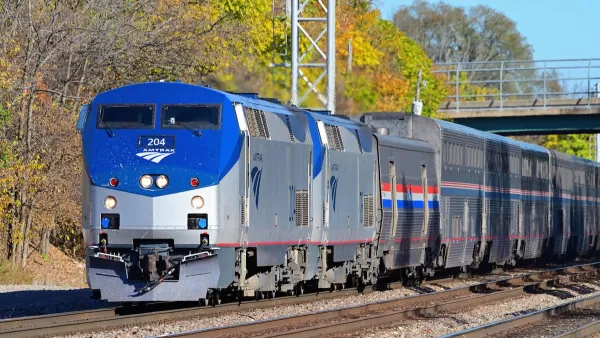
Amtrak Cutting Jobs, Funding to High-Speed Rail
The agency plans to cut 10 percent of its workforce and has confirmed it will not fund new high-speed rail projects.

Ohio Forces Data Centers to Prepay for Power
Utilities are calling on states to hold data center operators responsible for new energy demands to prevent leaving consumers on the hook for their bills.

MARTA CEO Steps Down Amid Citizenship Concerns
MARTA’s board announced Thursday that its chief, who is from Canada, is resigning due to questions about his immigration status.

Silicon Valley ‘Bike Superhighway’ Awarded $14M State Grant
A Caltrans grant brings the 10-mile Central Bikeway project connecting Santa Clara and East San Jose closer to fruition.

Urban Design for Planners 1: Software Tools
This six-course series explores essential urban design concepts using open source software and equips planners with the tools they need to participate fully in the urban design process.
Planning for Universal Design
Learn the tools for implementing Universal Design in planning regulations.

Caltrans
City of Fort Worth
Mpact (founded as Rail~Volution)
City of Camden Redevelopment Agency
City of Astoria
City of Portland
City of Laramie