
























This editorial from the Idaho Statesman says that a proposal to switch from a per-gallon gas tax to a per-mile taxing system is flawed.


"Some 450 Treasure Valley commuters will hit the streets next year, computers and satellite equipment in tow. The gadgetry will measure how many miles the drivers log over two years, and spit out sample monthly bills comparing their monthly per-gallon gas tax with fees based on miles traveled."
"In a sense, the results of the University of Iowa study are irrelevant. The mere fact that the study is in the works points out that a per-gallon gasoline tax is a business model as outmoded as the tailfin. It belongs to a time when all cars ran on gas, lots of it, and motorists tanked up without giving it much thought."
"A tax per gallon may be a dated dinosaur, but a fee per mile presents its own set of problems."
"Idaho faces a serious need to convert money into asphalt - a shortfall of $200 million a year. The state probably should start by looking at increasing vehicle registration fees, which now range from $24 to $48 and rank 30th in the nation. The state should also look at the viability of toll roads, as an alternative to crowded routes such as the Treasure Valley's Interstate 84. Falling back on the gas tax is a bad idea because, structural flaws aside, the state's gasoline tax is already high enough. Only 10 states top Idaho's 25-cent-per-gallon tax."
FULL STORY: Our View: Per-mile fee no alternative to antiquated gas tax


Planetizen Federal Action Tracker
A weekly monitor of how Trump’s orders and actions are impacting planners and planning in America.

Maui's Vacation Rental Debate Turns Ugly
Verbal attacks, misinformation campaigns and fistfights plague a high-stakes debate to convert thousands of vacation rentals into long-term housing.
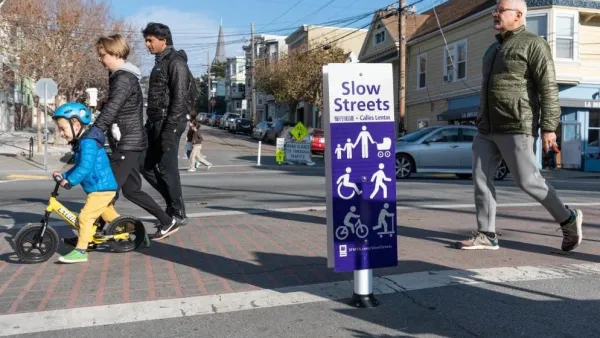
San Francisco Suspends Traffic Calming Amidst Record Deaths
Citing “a challenging fiscal landscape,” the city will cease the program on the heels of 42 traffic deaths, including 24 pedestrians.

Defunct Pittsburgh Power Plant to Become Residential Tower
A decommissioned steam heat plant will be redeveloped into almost 100 affordable housing units.

Trump Prompts Restructuring of Transportation Research Board in “Unprecedented Overreach”
The TRB has eliminated more than half of its committees including those focused on climate, equity, and cities.

Amtrak Rolls Out New Orleans to Alabama “Mardi Gras” Train
The new service will operate morning and evening departures between Mobile and New Orleans.

Urban Design for Planners 1: Software Tools
This six-course series explores essential urban design concepts using open source software and equips planners with the tools they need to participate fully in the urban design process.
Planning for Universal Design
Learn the tools for implementing Universal Design in planning regulations.

Heyer Gruel & Associates PA
JM Goldson LLC
Custer County Colorado
City of Camden Redevelopment Agency
City of Astoria
Transportation Research & Education Center (TREC) at Portland State University
Jefferson Parish Government
Camden Redevelopment Agency
City of Claremont