Justice40
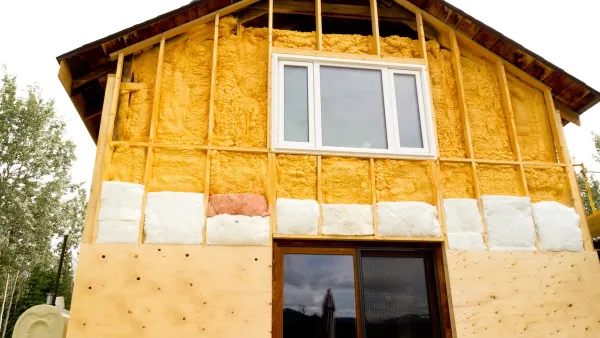
Future of Justice40 Initiative Hinges on Election
The program requires that 40 percent of some federal funds be used to benefit historically disadvantaged communities.
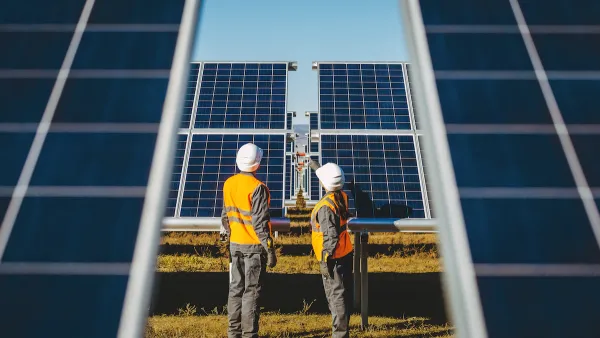
‘Green Bank’ Network To Fund Climate Projects
The federal government announced a $20 billion investment to support low-interest loans for climate and clean energy projects.
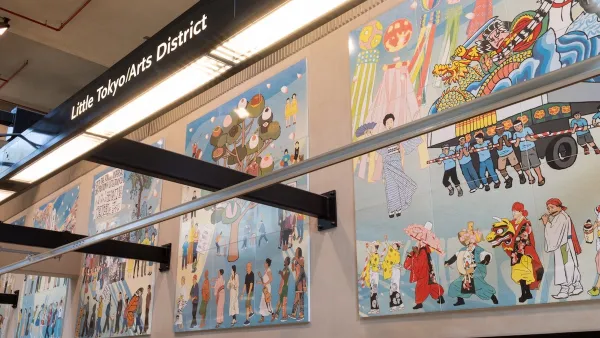
Prioritizing Equity in Federal Transit Funding
TransitCenter recommends several transit capital projects deserving of federal transportation dollars.
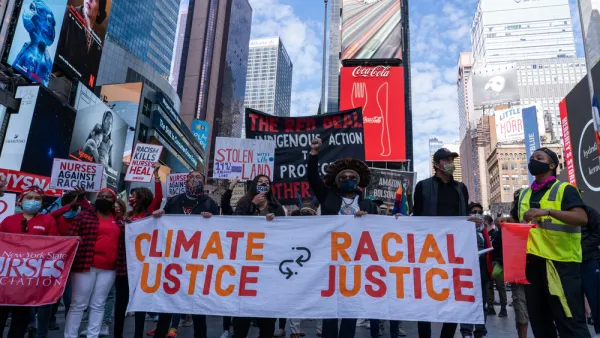
Environmental Justice Advocates Criticize Federal Assessment Tool
A tool designed to guide federal grant distribution may not prioritize the highest-need communities, while conflicting grant guidelines create challenges for local agencies.
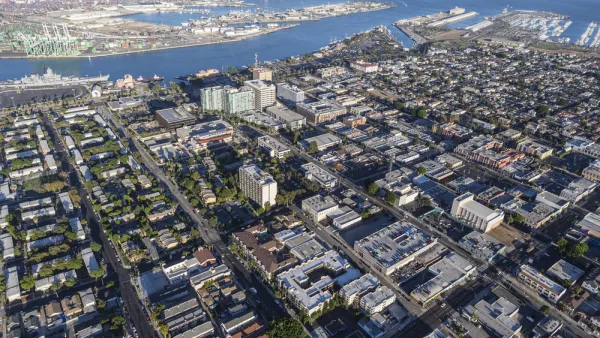
EPA Grants Target Environmental Justice
The agency will administer $100 million in grants to cities, states, and tribal nations as part of the Biden administration’s Justice40 initiative.
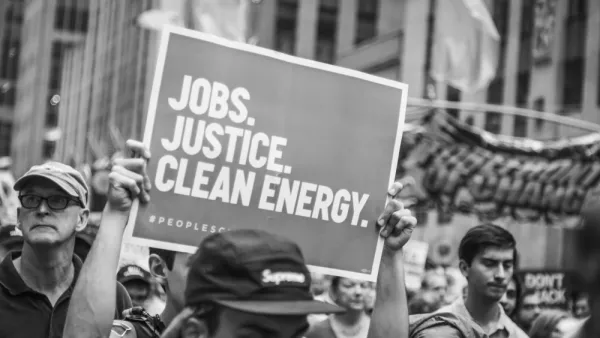
Mapping Environmental Justice to Census Tracts
The Climate and Economic Justice Screening Tool, version 1.0, is now available on the internet.
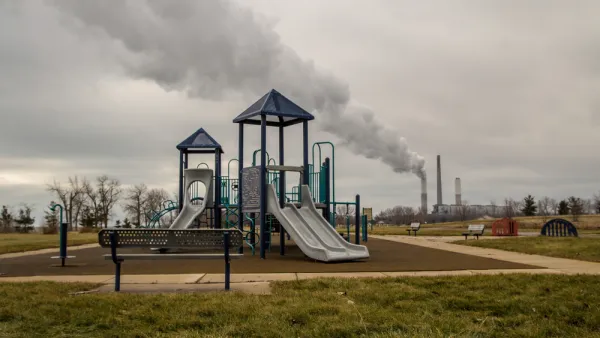
Democrats Call for Stronger Action on Environmental Justice
The Justice40 initiative could make a major difference for communities burdened by pollution, but only if funds are spent on projects that maintain a focus on equity.
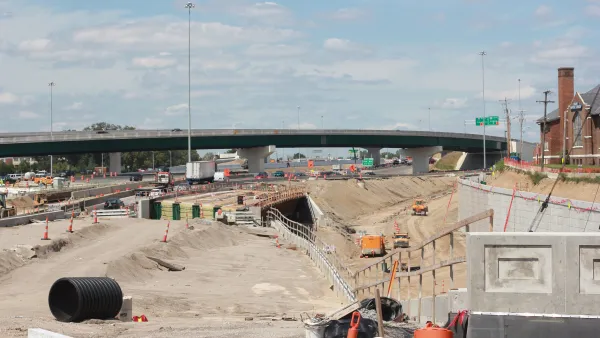
Federal Environmental Justice Program Could Worsen Outcomes in Low-Income Neighborhoods
Without more specific regulations, the Justice40 initiative, which requires spending 40 percent of federal funds in underserved areas, could fund projects that increase emissions and pollution.
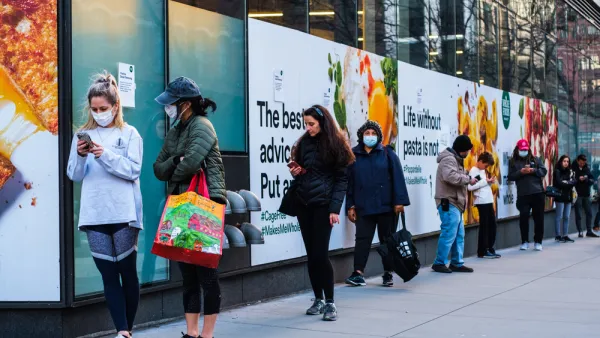
Assessing and Reversing Environmental Injustice in New York City
New York City launched its first ever environmental justice study just before the Covid-19 pandemic turned the world upside down. The study took on a new urgency throughout the months and years that followed.
Bipartisan Infrastructure Bill Heads to the House: Details and Reactions From the Planning World
Planetizen gathered explainer posts and advocacy responses that continue to shine a light on the Infrastructure Investment and Jobs Act, approved by the U.S. Senate earlier this month.

FREE Course: Walkable City 1: Why Walkability?
After describing his path towards focusing on walkability as the essence of good planning, Jeff Speck marches through his five principal reasons for making more walkable places.
Reinventing Malls: Planning Alchemy—Turning Gray Fields Into Gold
The course focuses on the opportunities and imperatives that shape reinvention of mall sites.

City of Rosemead
Rutgers University, Edward J. Bloustein School of Planning and Public Policy
One Hundred Miles
Hunter College, City University of New York (CUNY)
The Architects Foundation
University of Cincinnati Online
City of Cambridge
Montrose County
The Pocatello Development Authority









