Peak Sprawl
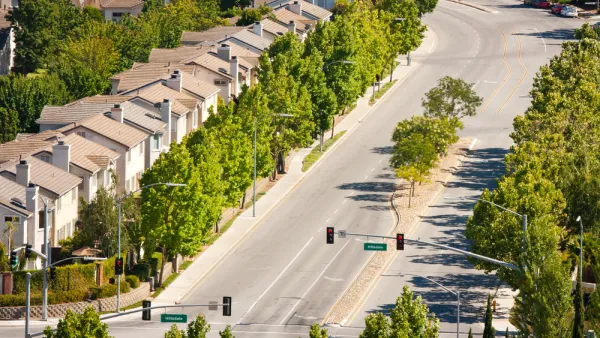
Study Measures Street Connectivity for Evidence of Sprawl's Decline
A study published in the Proceedings of the National Academy of Sciences finds evidence of the decline of sprawl as the dominant form of construction in the United States and attracted lots of media attention in the process.
Evidence of Peak Sprawl in the New York Region
"A new report out of Rutgers University reveals that since 2010, the fringes of the New York region have lost population as the core has grown," according to an article by Stephen Miller.
Peak Sprawl Happened—20 Years Ago
Analysis of the USDA’s 2010 National Resources Inventory, which tracks land use, shows the growth rate of suburban sprawl peaking in the mid-1990s, declining by two-thirds since then, even through the most recent housing boom. How did that happen?

FREE Course: Walkable City 1: Why Walkability?
After describing his path towards focusing on walkability as the essence of good planning, Jeff Speck marches through his five principal reasons for making more walkable places.
Reinventing Malls: Planning Alchemy—Turning Gray Fields Into Gold
The course focuses on the opportunities and imperatives that shape reinvention of mall sites.

City of Rosemead
Rutgers University, Edward J. Bloustein School of Planning and Public Policy
One Hundred Miles
University of Michigan School for Environment and Sustainability (SEAS)
Hunter College, City University of New York (CUNY)
The Architects Foundation
City of Cambridge
Montrose County
The Pocatello Development Authority









