Anthropocene
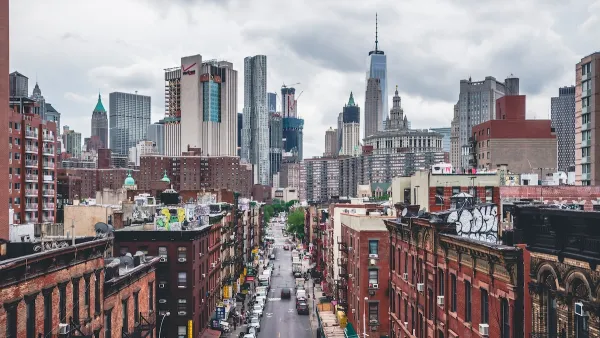
Is the Urban Form Sustainable?
One author offers a framework for resilience that rethinks common assumptions about the inevitability of cities as we know them.

New Research Finds Climate Change's Fingerprint Everywhere
From the smallest scale to the largest, climate change has left no stoned unturned in its initial impacts on the planet and its species. Stay tuned.
Adapting Landscape Architecture to the Anthropocene
As the effects of humans accelerate the changes occurring on the planet, landscape architects and planners alike will need to take into account ways that civilization can adapt to a lack of stability.
7 Newly Discovered Facts About the Earth
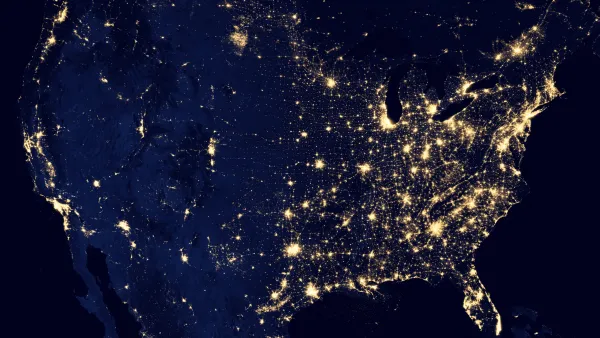
The first Earth Day was celebrated on April 22, 1970. Since then we've discovered an incredible amount about the Earth in addition to doing the planet an incredible amount of irrevocable harm.
Into the Anthropocene
The mark of human civilization will last long after humans go extinct, according to this article looking at the anthropocene, or the age of humankind.

FREE Course: Walkable City 1: Why Walkability?
After describing his path towards focusing on walkability as the essence of good planning, Jeff Speck marches through his five principal reasons for making more walkable places.
Reinventing Malls: Planning Alchemy—Turning Gray Fields Into Gold
The course focuses on the opportunities and imperatives that shape reinvention of mall sites.

City of Charlotte
City of Rosemead
Rutgers University, Edward J. Bloustein School of Planning and Public Policy
University of Michigan School for Environment and Sustainability (SEAS)
Hunter College, City University of New York (CUNY)
The Architects Foundation
University District Partnership









