Natural Disasters
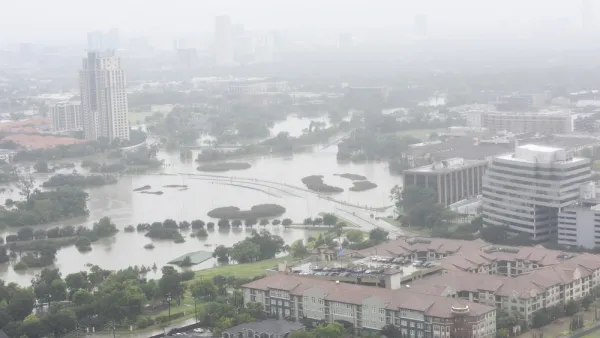
2017 Set a New Precedent for Natural Disasters
Floods, hurricanes, wildfires, drought, freezes, and tornadoes—the list of disasters that struck the United States this year covers every corner of the country.
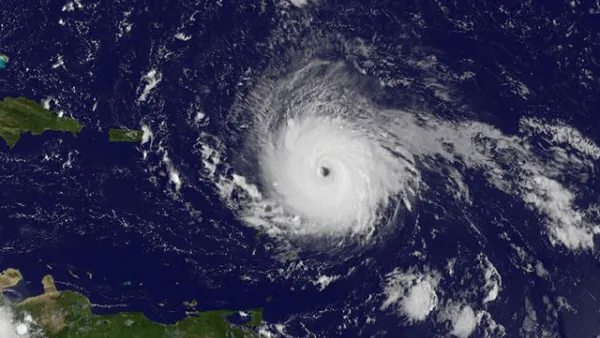
Florida Prepares for Irma: Building Codes, Cranes, Evacuation, Storm Surge
As Irma leaves the Caribbean and heads for Florida, with landfall expected this weekend, there is a lot to worry about: New building codes will be put to test, fuel to evacuate is in short supply, and cranes have not been dismantled.

EPA's Scott Pruitt Dismisses Global Warming Connection to Houston Flooding
While any one event can not be attributed to global warming, climate scientists have long acknowledged a connection to extreme weather. Pruitt, a climate denier, dismisses any such connection with the amount of rainfall from Hurricane Harvey.
The Culprit of Houston Flooding: Sprawl, Not Lack of Zoning
As Houston's flood waters recede and attention turns from rescue to recovery and soon rebuilding, critics have pointed to the city's lack of zoning as the cause of the devastation. But are they looking in the right direction?
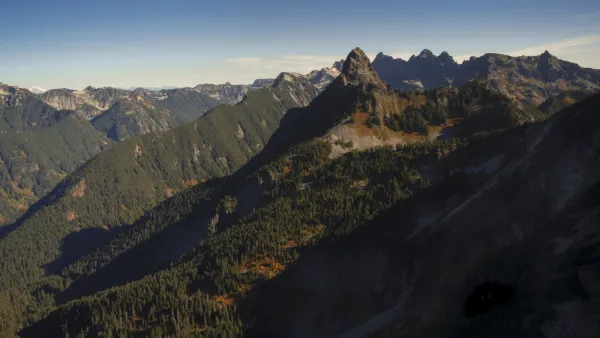
A New Earthquake Warning System for the Pacific Northwest
Oregon and Washington are implementing sensors that can detect and report an earthquake to communities with as much as a minute or two of warning.
Can Insurance Markets Jump-Start Resilience?
Risk-management experts are seeking creative ways to finance resilience investments that prevent damage from natural disasters. Insurance markets, with their direct stake in protecting homes and businesses, can be key partners in this effort.
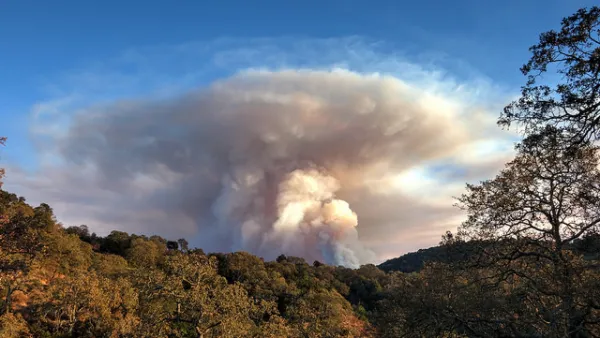
Wildfires Becoming More Common in Southern States
This year has seen a significant uptick in wildfires across much of the South, spurred by drought and heat waves. The region's pattern of development increases the potential danger.
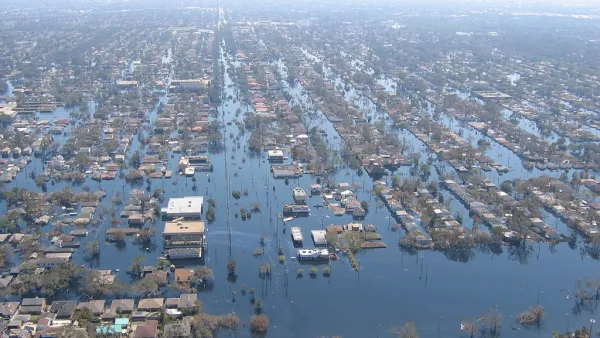
New Flood Maps Downplay Risks in New Orleans
Recently released flood maps created by FEMA for the city of New Orleans are receiving criticism for being 'overly optimistic' when it comes to risks posed by hurricanes and rising sea levels.
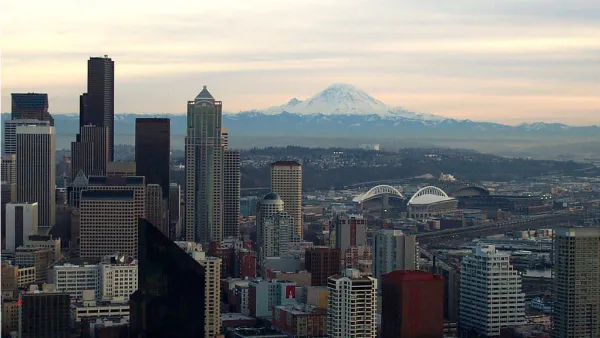
When Mt. Rainier Blows, What Will Be Left?
As with most natural disasters, it's not a question of 'if' but 'when' when it comes to the eruption of Mount Rainier in Washington state. Scientists lay out a scenario for what to expect when the volcano erupts.
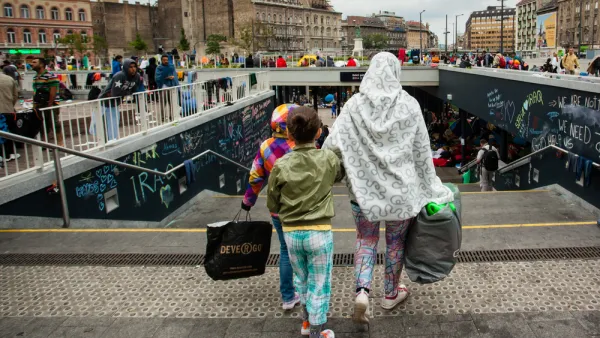
Urban Planners Have a Role to Play in Humanitarian Crises
"Humanitarians are conditioned to think about people, urban planners are conditioned to think about how the place affects people."
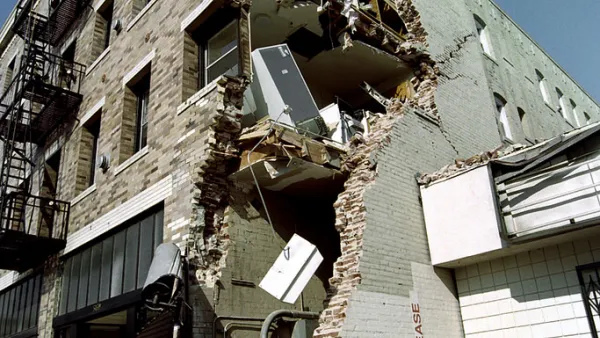
Retrofitting Vulnerable Buildings Becomes Mandatory in Earthquake Prone LA..
Decades in the making, the Los Angeles City Council has approved regulations requiring the retrofit of vulnerable wood and concrete buildings.
Nepal Earthquake a Reminder of the Critical Role of Planning Enforcement
It's too late to save the lives of thousands in Nepal, but can other cities in South Asia and around the world learn from the mistakes of unplanned growth before another catastrophic event?
Oklahoma and Texas Experience the Costliest Natural Disasters
The Insurance Information Institute released a report detailing the insurance payouts for natural disasters in 2013. Oklahoma and Texas topped the list, with $2 billion and $1.5 billion, respectively, in payouts.
This California Jail is Off the Grid
The Santa Rita Jail in Dublin, California isn’t your average prison complex. Its independent power system, or microgrid, sets it apart from its peers—and saves an estimated $100,000 a year.
Cyclone the Size of Katrina Strikes India
Bearing 125 mph winds, Cyclone Phailin made landfall along India's eastern coast on Saturday evening. Though hundreds of thousands were evacuated from the area, some are questioning whether the Indian authorities took the storm too lightly.
Earl Blumenauer on America's Unwise Approach to Disaster Planning and Recovery
Oregon Congressman Earl Blumenauer talks about the failures with federal natural disaster relief and how the country should build its resiliency to climate change with The Planning Report.
Lessons for Building a Better City After a Devastating Disaster
With climate change producing more extreme weather, the likelihood of a natural disaster impacting the world's cities is on the rise. New members of the 'disaster club' can look to these three places for lessons for turning tragedy into opportunity.
The Secret Plans for Containing New York's Next Housing Emergency
Hurricane Sandy exposed the need for New York City to be able to house large numbers of residents following natural disasters. Matt Chaban examines the Bloomberg administration's "secret" plan to build modular apartments out of shipping containers.
How Can Architects Help in Disaster Relief?
Using post-Sandy New York as a case study, C.J. Hughes looks at the extent to which architects can be helpful in the immediate aftermath of a natural disaster.
With a Little Help From Their Dutch Friends, Could New York Become New Amsterdam?
“In recent days, the Netherlands’ peerless expertise and centuries of experience in battling water have been widely hailed in the United States as offering lessons" for New York and for other cities alike, writes Andrew Higgins.

FREE Course: Walkable City 1: Why Walkability?
After describing his path towards focusing on walkability as the essence of good planning, Jeff Speck marches through his five principal reasons for making more walkable places.
Reinventing Malls: Planning Alchemy—Turning Gray Fields Into Gold
The course focuses on the opportunities and imperatives that shape reinvention of mall sites.

City of Rosemead
Rutgers University, Edward J. Bloustein School of Planning and Public Policy
One Hundred Miles
University of Michigan School for Environment and Sustainability (SEAS)
Hunter College, City University of New York (CUNY)
The Architects Foundation
City of Cambridge
The Pocatello Development Authority
The Urban Renewal Agency of the City of Pocatello









