Americans with Disabilities Act
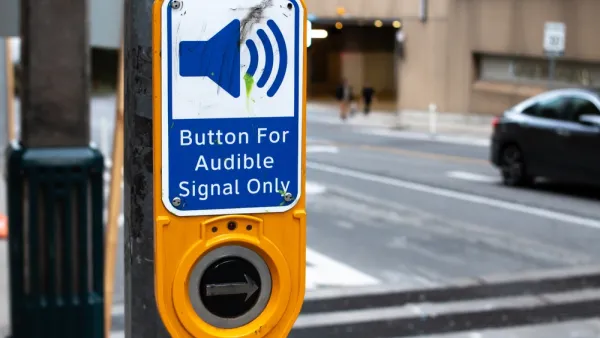
Chicago Found Liable for ADA Violations
A federal judge ruled that the city fails to provide “meaningful access” to many of its streets due to a lack of infrastructure for pedestrians with vision impairments at most of the city’s intersections.
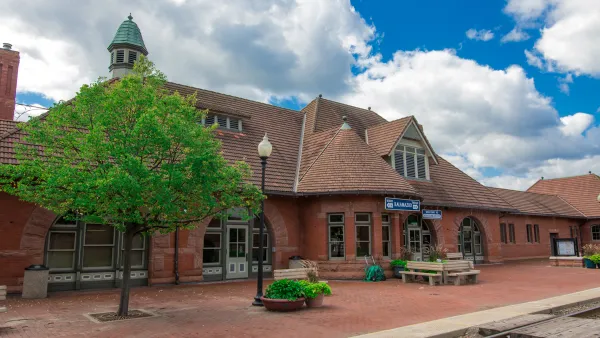
Michigan Cities to Improve Accessibility at Rail Stations
Four cities settled lawsuits citing a lack of ADA compliance at their intercity rail stations.
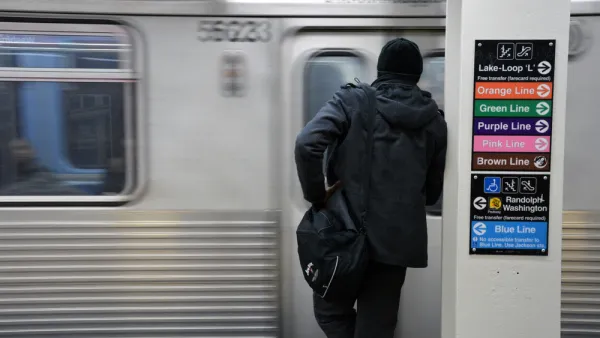
Chicago Awarded Federal Funding for Accessible Train Stations
The city received a federal grant geared toward improving accessibility at CTA and Metra stations, close to a third of which lack ADA compliance.
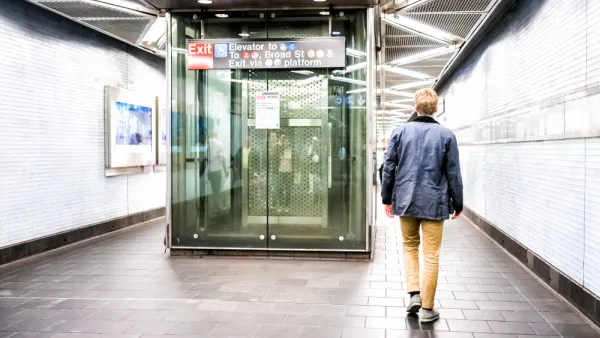
New York MTA Releases Plan for Improved Accessibility
The MTA announced plans for new or improved elevators at almost two dozen stations as part of its pledge to make more of its stations fully accessible.
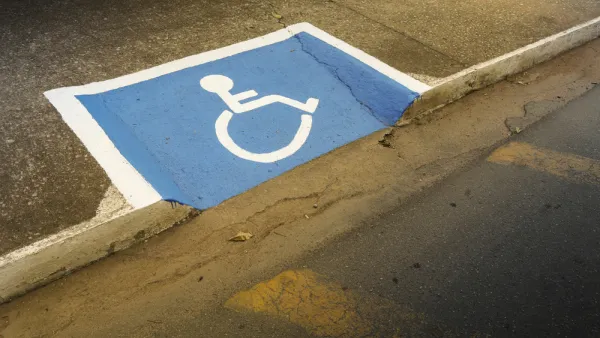
Why Accessible Sidewalks Fall by the Wayside
Despite the passage of the Americans with Disabilities Act more than 30 years ago, most U.S. cities delay making accessibility improvements to sidewalks until activists bring them to court.
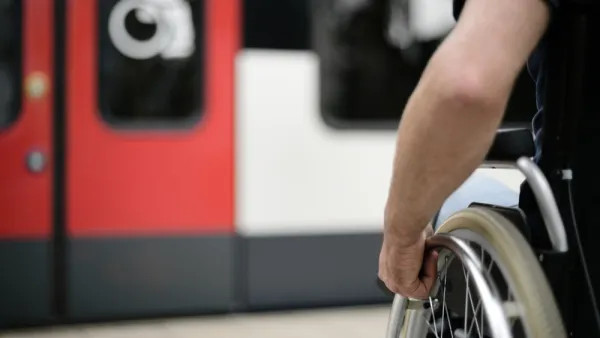
MTA Sued Over Platform Gaps
Riders with disabilities say that vertical and horizontal gaps of as much as 7 inches between trains and platforms prevent many riders from safely entering and exiting trains.

Asheville Approves ADA Compliance Plan
The city plans to make improvements to pedestrian infrastructure and bring its public streets into compliance with the Americans with Disabilities Act.
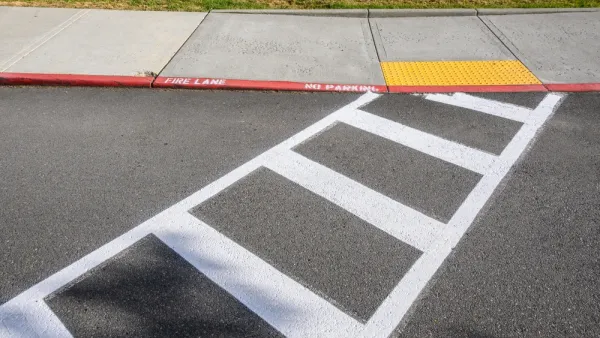
Following Lawsuit, Philadelphia to Add or Fix 10,000 Curb Cuts
Disability rights advocates won a settlement that directs the city to improve accessibility on its public roads over the next 15 years.
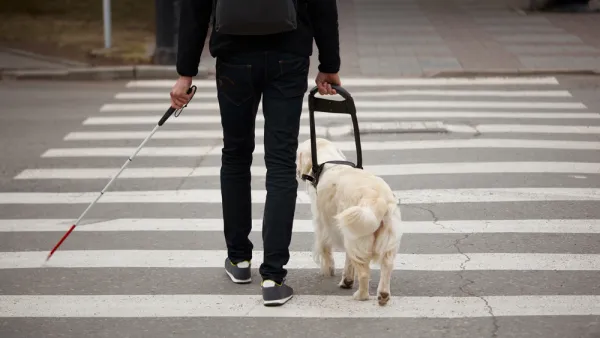
Opinion: Make Safe, Slow Streets the Default
For people with disabilities or limited mobility, a lack of safe infrastructure can cause significant disruptions, delays, and safety hazards.
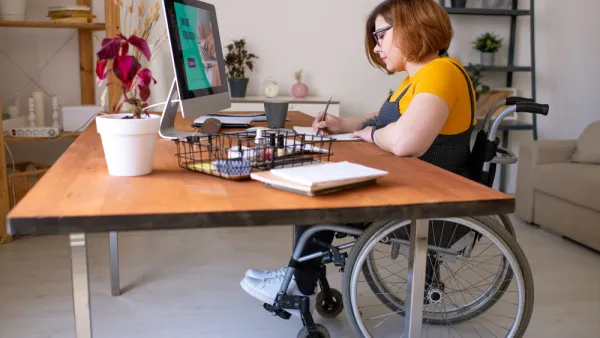
How Remote Work is Changing the Playing Field for Workers With Disabilities
The more widespread acceptance of working from home is helping millions of Americans with disabilities get back into the workforce and find better job opportunities.
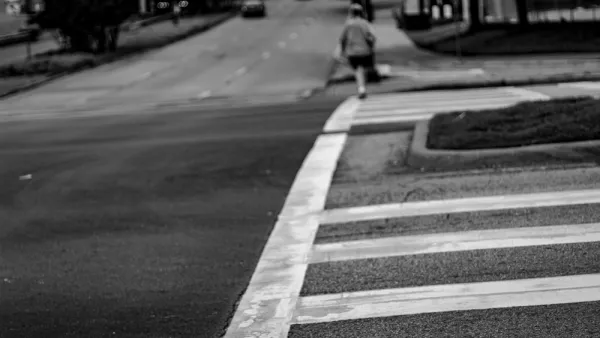
Report: Dallas Needs $54 Million in Sidewalk Ramps and Crosswalk Repairs
The city, which recently adopted a Vision Zero action plan, has one of the nation’s highest pedestrian fatality rates.
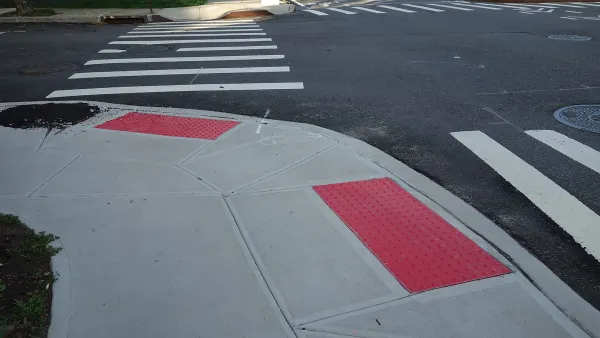
Federal Government to Enforce Accessibility Guidelines
Local agencies will soon be tasked with adhering to federal right-of-way accessibility rules: comprehensive guidelines for accessible streets and sidewalks.
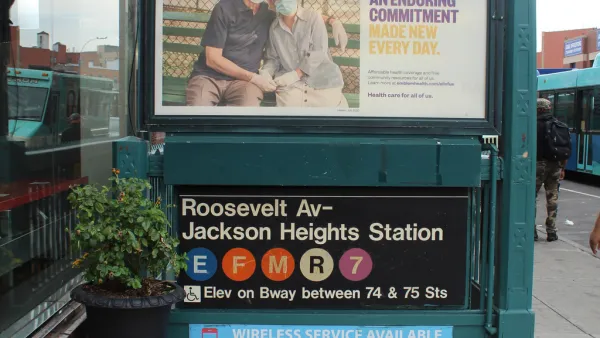
Zoning for Transit Accessibility
Using zoning codes to improve accessibility to public transit facilities is a new, but well overdue, idea.
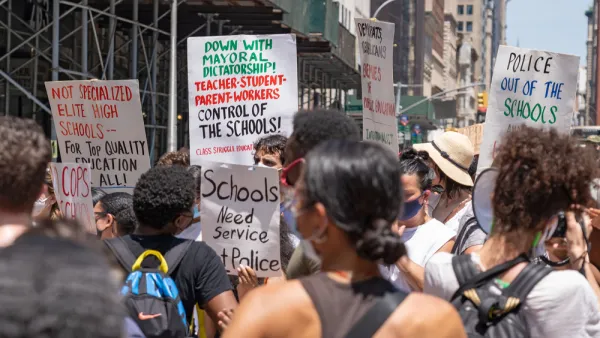
Pandemic Debate: Civil Liberties vs. Individual Liberties
The American Civil Liberties Union stepped into the nation's masking debate in K-12 schools on the side of parents of students with disabilities. They won the first round in the U.S. Southern District Court of Iowa. Mask mandates are permitted again.
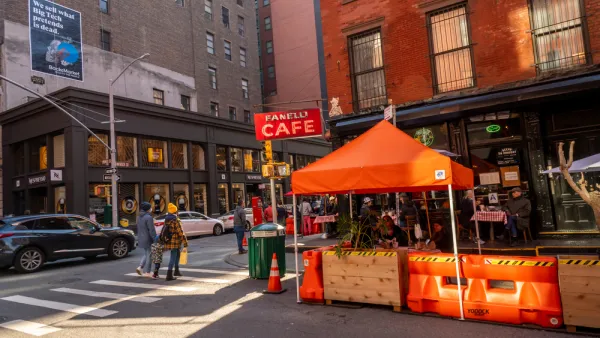
'Open Streets' Have an Accessibility Problem
The rush to utilize sidewalk space for outdoor seating and parklets has created new obstacles for people with disabilities.
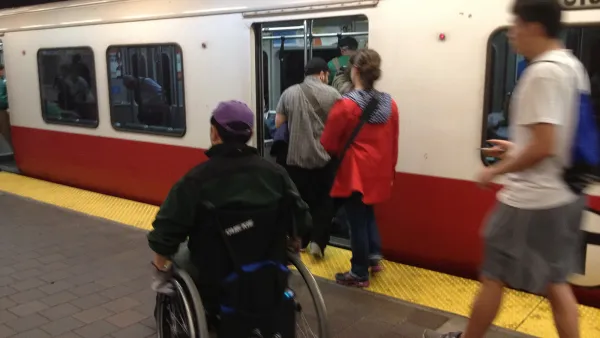
Federal Bill Proposes $10 Billion for Transit Accessibility
The program would fund improvements such as elevators, ramps, and accessible ticketing equipment to bring the nation's transit stations up to ADA standards.
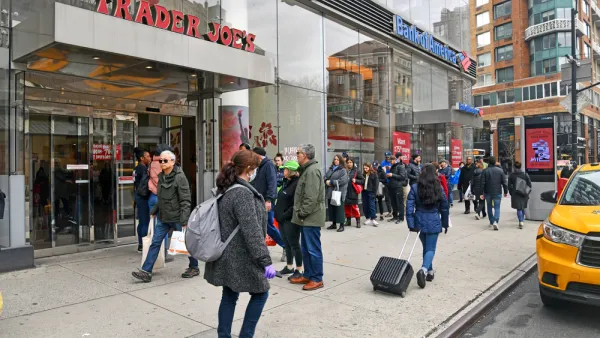
New Zoning Incentives for Grocery Store Developments Proposed in New York City
Transit accessibility incentives are also included in a package of zoning reforms proposed this week that would provide incentives for grocery store developments in a wider swath of New York City.

What Is the Americans With Disabilities Act?
The effects of the landmark Americans With Disabilities Act are visible throughout the built environment—on sidewalks, on buses, and in almost every building and public facility in the country.
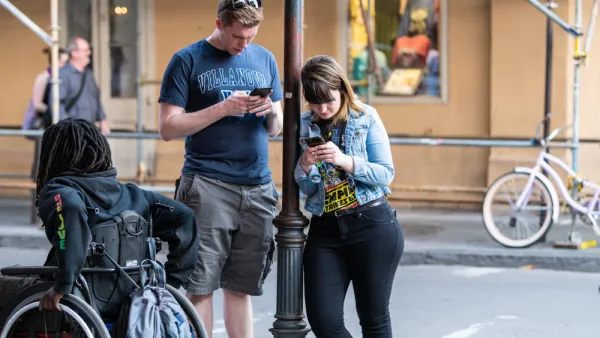
New Orleans Facing ADA Lawsuit for State of Sidewalks and Lack of Curb Cuts
The city of New Orleans' compliance with Americans With Disabilities Act compliance is too little, too late, according to the plaintiffs in a new lawsuit.

Cars, Transit, and the Disabled
Contrary to popular myth, the disabled drive less than other Americans.

FREE Course: Walkable City 1: Why Walkability?
After describing his path towards focusing on walkability as the essence of good planning, Jeff Speck marches through his five principal reasons for making more walkable places.
Reinventing Malls: Planning Alchemy—Turning Gray Fields Into Gold
The course focuses on the opportunities and imperatives that shape reinvention of mall sites.

City of Rosemead
Rutgers University, Edward J. Bloustein School of Planning and Public Policy
One Hundred Miles
Hunter College, City University of New York (CUNY)
The Architects Foundation
University of Cincinnati Online
City of Cambridge
Montrose County
The Pocatello Development Authority









