A proposal for a facility that converts septic waste to compost will have to find another home, after a decision in Linn County, Iowa.



Mitchell Schmidt reports from an unincorporated area in Linn County near Cedar Rapids: "An inventive approach to converting sewage into compost was halted Monday night by passionate neighbors who said they didn’t want the project — and its potential associated odors and detriments to water quality and property values — in their backyards."
At a packed meeting, the Linn County Planning and Zoning Commission denied a conditional use permit requested by Miene Septic. The company would have used 40 acres to convert septic waste to compost. The site is zoned for agricultural use, which allows for a sewage treatment plant under the county's zoning code. Opposition was organized by a group called Not In Our Backyard.
FULL STORY: Public fervor spells end to Linn County sewage compost idea


Charlottesville Comprehensive Plan Update Attracts Opponents
An updated version of the Charlottesville comprehensive plan update is now available for public comment, and a recent article in the local paper lets plan opponents air their grievances.

Charlotte’s New Zoning Code, Set to Launch in June, Faces Tough Tests
Faced with the challenges and controversies of rapid growth, Charlotte has approved a new comprehensive plan and unified development code in recent years.
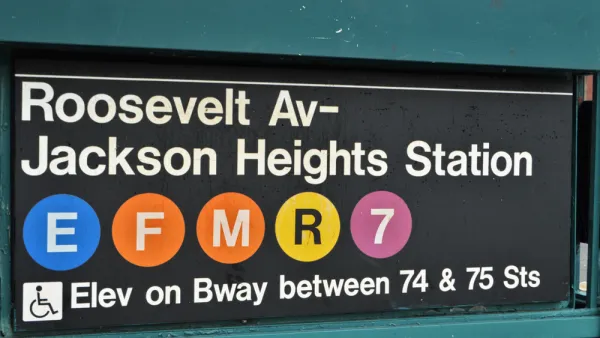
Community Planning Gives Voices to the Voiceless
People who can't vote can still have a say in the processes by which their neighborhoods are planned and developed. An example from New York City illustrates the point.

Planetizen Federal Action Tracker
A weekly monitor of how Trump’s orders and actions are impacting planners and planning in America.

The state-sanctioned urbicide of Austin
People don’t kill cities. Freeways do.

US to reduce Colorado River water deliveries to Mexico
A new Colorado Treaty amendment reduces Mexico’s Colorado River water allocation by 250,000 acre feet.

5 New England states march closer to 800 megawatt wind energy project
Securing federal approval for the project may be complicated under the Trump administration, which has historically been hostile towards domestic wind power.

Baltimore to break ground on $50 million Transit Priority Project
The project will bring faster bus trips, safer streets and better bike connections to Baltimore.

Airbnb launches $250 million 'last-dollar financing' housing accelerator, makes first investment in Austin
The company will put $6.4 million towards affordable housing development in Texas’ capital.

FREE Course: Walkable City 1: Why Walkability?
After describing his path towards focusing on walkability as the essence of good planning, Jeff Speck marches through his five principal reasons for making more walkable places.
Reinventing Malls: Planning Alchemy—Turning Gray Fields Into Gold
The course focuses on the opportunities and imperatives that shape reinvention of mall sites.

Eagle County Government
Harvard University Graduate School of Design
Nashville Planning Department
The Architects Foundation
University of Cincinnati Online
The Pocatello Development Authority
The Urban Renewal Agency of the City of Pocatello
Journal of the American Planning Association