Researchers from Arizona State University have produced a new working paper that examines efforts to attract and retain Millennials to downtown neighborhoods in Houston and Phoenix.


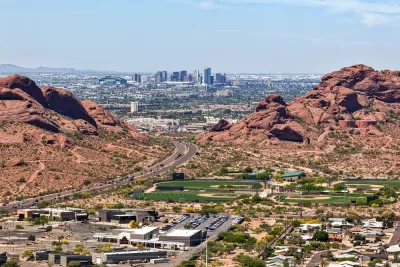
The "Cementing Millennials Downtown: Expressions and Impact" [pdf] report, published by the Kinder Institute for Urban Research at Rice University, analyzed date from the U.S. Census, regional media, and interviews with 22 experts involved in Phoenix and Houston’s downtown housing markets to create a portrait of the Millennial-focused real estate market in the two Sun Belt cities.
Among the findings described in a blog post sharing news of the working paper: differences in housing choices between age groups within the Millennial generation, Millennial preferences in design features, the migration of urban building styles to suburban locations, and the need to further refine building and planning processes to keep up with the shifting market demands driven by the Millennial generation.
FULL STORY: IN PHOENIX AND HOUSTON, EFFORT TO ATTRACT MILLENNIALS IS RESHAPING DOWNTOWN

Renting on the Rise, With Consequences for Neighborhoods
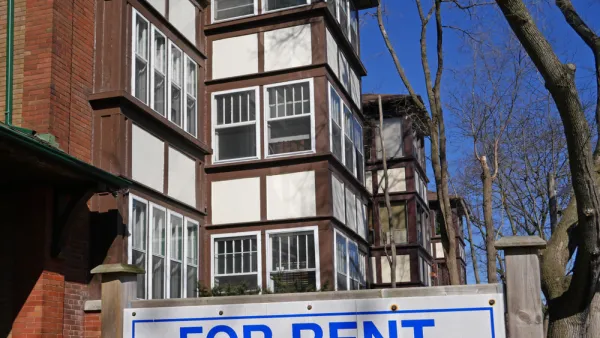
A higher share of Americans are renters than at any point in decades. Neighborhoods all over the country, especially in downtowns, have many more renters than they did in 2010.

Millennials Searching for Affordable Homebuying Opportunities in Smaller Cities
A new report from the National Association of Realtors ranked the top homebuying destinations for Millennials.
Survey Finds Surprising Generation Trends in the Real Estate Market
Generation X is barnstorming the market, so to speak, and Millennials and Baby Boomers might be swapping their perspectives on the urban, suburban divide.

Planetizen Federal Action Tracker
A weekly monitor of how Trump’s orders and actions are impacting planners and planning in America.

The state-sanctioned urbicide of Austin
People don’t kill cities. Freeways do.

US to reduce Colorado River water deliveries to Mexico
A new Colorado Treaty amendment reduces Mexico’s Colorado River water allocation by 250,000 acre feet.

Mamdani overhauls NYC's Vision Zero plan with 100 new policy goals
The overhaul aims to reduce traffic deaths and make streets safer for pedestrians, cyclists and drivers through lower speed limits, new safety infrastructure and more.

Amtrak not solely to blame for New Jersey commuter rail's unreliability, report finds
A new study from the Garden State Initiative found that NJ Transit’s budget grew 20% across a 4 year period, but reliability declined significantly over the same period.

EPA erases limits on planet-warming pollution from power plants
Under Monday’s plan, power plants would still have some limits on how much mercury, arsenic and other contaminants they can emit.

FREE Course: Walkable City 1: Why Walkability?
After describing his path towards focusing on walkability as the essence of good planning, Jeff Speck marches through his five principal reasons for making more walkable places.
Reinventing Malls: Planning Alchemy—Turning Gray Fields Into Gold
The course focuses on the opportunities and imperatives that shape reinvention of mall sites.

Eagle County Government
Harvard University Graduate School of Design
Nashville Planning Department
The Architects Foundation
University of Cincinnati Online
The Pocatello Development Authority
The Urban Renewal Agency of the City of Pocatello
Journal of the American Planning Association