Renters in smaller metropolitan areas are struggling to deal with the realities of rising rent and stagnant wages. At least wages have increased in high-priced areas.


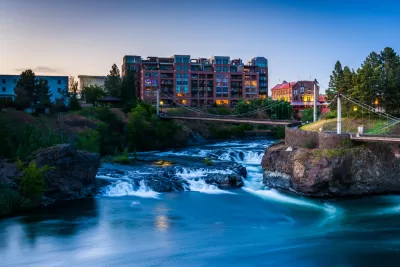
The county of Spokane in Washington exemplifies the regional challenge presented by skyrocketing rental prices.
According to an article by Amy Edelen, the county of Spokane's rental market is putting more and more strain on residents. In Spokane County, half of renters spend over 30 percent of their income on rent according to analysis of U.S. Census data by Apartment List.
By comparison, "Seattle’s share of cost-burdened renters is more than 47 percent – lower than Spokane County – but it’s because rent and incomes both increased rapidly," according to Edelen.
"For smaller metro areas such as Spokane, rents are rising while wages are remaining stagnant," adds Edelen. The article includes a lot more background on the challenges facing Spokane and other areas like it, as well as specifics from the local debate about how to improve the market for renters.
FULL STORY: Climbing rents in Spokane County a burden for many


Tight For-Sale Market Leads to Record Price Spikes in the Rental Market
A supply-demand imbalance in the for-sale housing market will eventually spill into the rental market.

Rents Falling, Vacancies Spiking: The NYC Rental Market Is Shifting
The rental market is triggering metrics not seen since the depths of the Great Recession, according to a new report on the state of the rental market in three New York City boroughs.
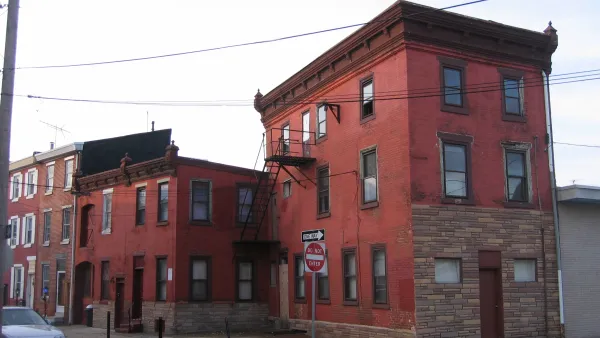
Housing Costs Rise for Philly's Poorest Residents, Fall for the Wealthy
Poor households in Philadelphia are spending nearly much on housing as wealthy residents. And while costs for the wealthy are going down, costs for the poor continue to rise.

Planetizen Federal Action Tracker
A weekly monitor of how Trump’s orders and actions are impacting planners and planning in America.

The state-sanctioned urbicide of Austin
People don’t kill cities. Freeways do.

US to reduce Colorado River water deliveries to Mexico
A new Colorado Treaty amendment reduces Mexico’s Colorado River water allocation by 250,000 acre feet.

5 New England states march closer to 800 megawatt wind energy project
Securing federal approval for the project may be complicated under the Trump administration, which has historically been hostile towards domestic wind power.

Baltimore to break ground on $50 million Transit Priority Project
The project will bring faster bus trips, safer streets and better bike connections to Baltimore.

Airbnb launches $250 million 'last-dollar financing' housing accelerator, makes first investment in Austin
The company will put $6.4 million towards affordable housing development in Texas’ capital.

FREE Course: Walkable City 1: Why Walkability?
After describing his path towards focusing on walkability as the essence of good planning, Jeff Speck marches through his five principal reasons for making more walkable places.
Reinventing Malls: Planning Alchemy—Turning Gray Fields Into Gold
The course focuses on the opportunities and imperatives that shape reinvention of mall sites.

Eagle County Government
Harvard University Graduate School of Design
Nashville Planning Department
The Architects Foundation
University of Cincinnati Online
The Pocatello Development Authority
The Urban Renewal Agency of the City of Pocatello
Journal of the American Planning Association