Track the rise of "super slender" towers in New York with an online tool from the Skyscraper Museum.


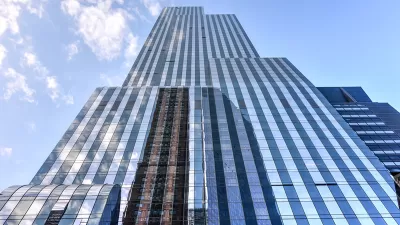
The recent trend of very tall, very skinny towers in New York has caused controversy over its effect on the city’s skyline and views. Now the Skyscraper Museum offers a closer look at the development style, with an interactive chart that compares the shapes and heights of 18 towers.
Carol Willis, head of the museum, told Dezeen that while skinny towers are popular in dense cities worldwide, developers in New York have found the most success in marketing exclusively to the ultra-wealthy:
The unprecedented per-square-foot sales price – from $4,000 to as much as $11,000 for these exclusive condos with their trophy views – makes them very profitable for developers, even though they are also enormously expensive to build.
Read the full story: Skyscraper Museum chronicles explosion of "super-slender" towers in New York


World's Skinniest Skyscraper Complete in New York City
111 West 57th Street, a residential supertall tower with multiple global distinctions, completed construction recently in New York City.

Vote for New York City's 'Building of the Year'
New York is still a place of bold architecture.
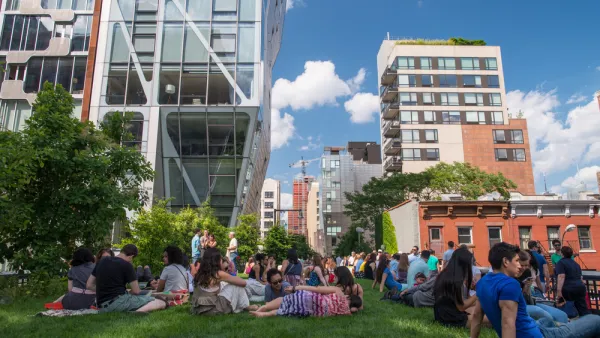
Ten Years of the High Line—Time to Reflect
As the High Line turns ten, a debate about the costs and benefits of urban revitalization continues.

Planetizen Federal Action Tracker
A weekly monitor of how Trump’s orders and actions are impacting planners and planning in America.

Amtrak, CN end decades-long dispute with eight-year agreement
The new operating agreement establishes an updated framework for the companies to work together, including processes to resolve disputes.

Judges permit Denver to divert 77,000 acre feet from the Colorado River for reservoir expansion
Overuse and climate change have caused the Colorado River’s water levels to plummet.

Philadelphia to invest $2 billion into upgrading city airports as PHL places last in customer satisfaction
Modernizations to Philadelphia's airports will include baggage system upgrades and a new automated parking garage guidance system.

The LA housing policies making developers turn away from the city
Despite LA’s housing shortage, developers say the city’s "mansion-tax" and pandemic-era policies make it an unappealing place to build housing.

New density bill would require 7 California cities to establish regional transit hubs
The bill would also require major cities in California to permit high-rise residential buildings.

FREE Course: Walkable City 1: Why Walkability?
After describing his path towards focusing on walkability as the essence of good planning, Jeff Speck marches through his five principal reasons for making more walkable places.
Reinventing Malls: Planning Alchemy—Turning Gray Fields Into Gold
The course focuses on the opportunities and imperatives that shape reinvention of mall sites.

City of Wisconsin Rapids
Harvard University Graduate School of Design
KFH Group Inc.
The Architects Foundation
University of Cincinnati Online
The Pocatello Development Authority
The Urban Renewal Agency of the City of Pocatello