Sarasota County, Florida, has approved a plan to pave over forested wetlands and build parking for a Whole Foods Market. To compensate, the developer is donating another plot of wetlands to the public.


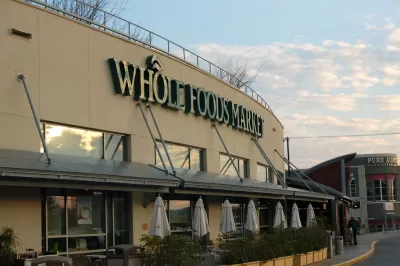
Environmentalists have yet another reason to suspect the upscale grocery chain. After securing permission to pave over a section of wetlands, Deena Shanker writes, "The grocery chain that champions 'environmental stewardship' can now move forward with plans for a new 40,000-square-foot store in a shopping center that will also include a WaWa convenience store, a gas station, and other businesses. This is Whole Foods' second location in Sarasota."
The change involved a rezoning of the site, parts of which have been protected since 1997. "Staff members from the county's Planning and Development Services Department objected to the re-zoning, which removed requirements to preserve the wetlands."
In the face of protest from residents, the developer made some compensation. "To offset the loss, Whole Foods' developer, Atlanta-based SJ Collins Enterprises, is buying 41 acres of similarly protected land in the Manatee River Basin, about 30 miles away, and donating it to the public."
FULL STORY: Whole Foods plans to literally pave paradise, put up a parking lot

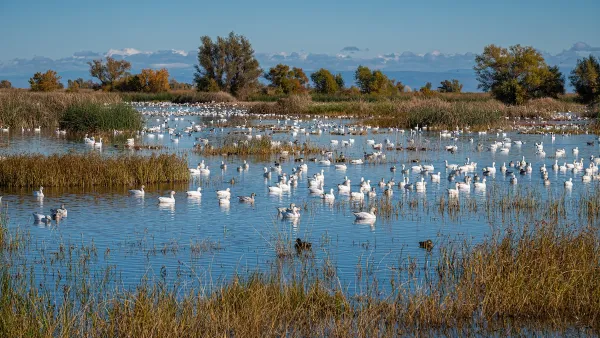
California Lawmakers Move to Protect Waterways
Anticipating that the Trump EPA will reinstate a 2017 policy that excluded seasonal wetlands and waterways from environmental protections.
Judge Tosses Trump Administration's Rollback of 'Waters of the United States' Protections
The Trump administration's Navigable Waters Protection Rule was sloppy, and it would have done "serious environmental harm," according to a recent court ruling.
Proposed State-Level Wetlands Regulations in California: Protections and Complications
The state is seeking to protect wetlands from federal regulation rollbacks, but broader protections could also mean more costly and cumbersome processes.

The state-sanctioned urbicide of Austin
People don’t kill cities. Freeways do.

US to reduce Colorado River water deliveries to Mexico
A new Colorado Treaty amendment reduces Mexico’s Colorado River water allocation by 250,000 acre feet.

New Jersey’s second-largest city bans standalone data centers
Jersey City will continue to allow co-location facilities, such as those meant for research institutions that store their own data.

Amtrak not solely to blame for New Jersey commuter rail's unreliability, report finds
A new study from the Garden State Initiative found that NJ Transit’s budget grew 20% across a 4 year period, but reliability declined significantly over the same period.

EPA erases limits on planet-warming pollution from power plants
Under Monday’s plan, power plants would still have some limits on how much mercury, arsenic and other contaminants they can emit.

Phoenix announces new on-demand transit service, more frequent RAPID buses
Both new services will launch in October, and are part of Phoenix's Project Effective Access Solutions for Easing Congestion.

FREE Course: Walkable City 1: Why Walkability?
After describing his path towards focusing on walkability as the essence of good planning, Jeff Speck marches through his five principal reasons for making more walkable places.
Reinventing Malls: Planning Alchemy—Turning Gray Fields Into Gold
The course focuses on the opportunities and imperatives that shape reinvention of mall sites.

Eagle County Government
Harvard University Graduate School of Design
Nashville Planning Department
The Architects Foundation
University of Cincinnati Online
The Pocatello Development Authority
The Urban Renewal Agency of the City of Pocatello
Journal of the American Planning Association