Mansionization, that conspicuous manifestation of the demand for larger homes, is alive and well in Seattle.


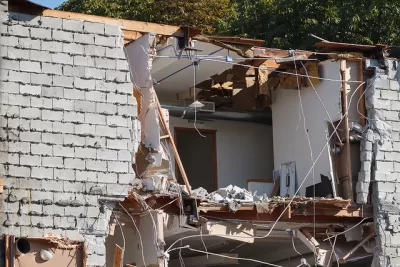
Gene Balk reports on the rate at which Seattle landowners are tearing down homes and replacing them with newer, much larger models.
According to data from the King County assessor " from 2012 through 2014, more than 1,500 houses were torn down and replaced with something larger — typically at least twice the size." Moreover, 450 of those homes were replaced with a new home at three times the size of the original home.
Balk credits the wave of mansionization to a lack of "unaffordable" housing in the city. That is, "[i]n our increasingly affluent region, there’s growing demand for spacious, amenity-laden new houses, particularly in prime locations on the Eastside and in parts of Seattle. But the existing housing stock in these established neighborhoods is often characteristic of a more modest era — small prewar cottages and midcentury ramblers."
The article includes some heat maps to show where the teardowns are occurring most frequently around town as well as a samples of comparison photos to show how the houses, and blocks, looked before and after renovations.
Read the full story: Teardown town: 1,500 small houses replaced by giants since 2012

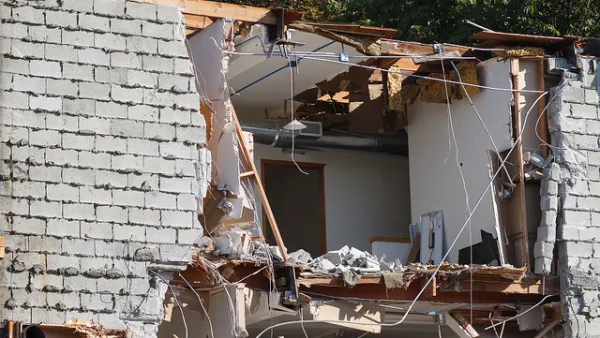
Heady Market in Chicago's North Side Drives Teardowns
Lakeview, located north of Lincoln Park and adjacent to Lake Michigan, leads the city by a wide margin in residential teardowns over the past five years. Local developers are selling new homes for four times the original price paid.
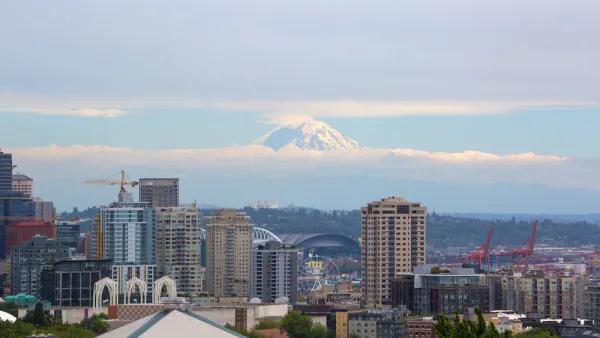
Luxury Condos, Not Luxury Single-Family Homes, Take the Blame in the Affordability Debate
An article in The Urbanist suggests the ire over new developments is misplaced.
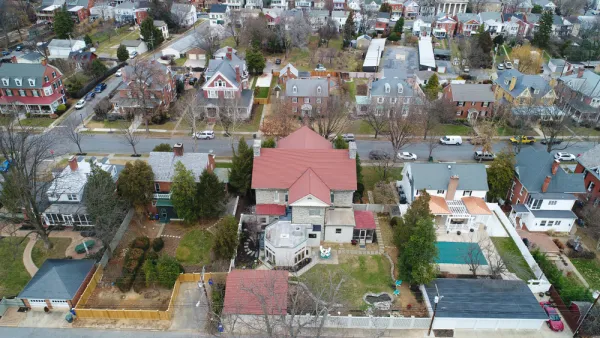
McMimpact Fee Proposed
Should there be an extra fee for property owners who tear down an existing single-family home and replace it with a much larger, more expensive single-family home?

Planetizen Federal Action Tracker
A weekly monitor of how Trump’s orders and actions are impacting planners and planning in America.

Amtrak, CN end decades-long dispute with eight-year agreement
The new operating agreement establishes an updated framework for the companies to work together, including processes to resolve disputes.

Judges permit Denver to divert 77,000 acre feet from the Colorado River for reservoir expansion
Overuse and climate change have caused the Colorado River’s water levels to plummet.

NYC DOT wants faster, more permanent street upgrades
The city is examining ways to build more concrete infrastructure without getting entangled in 'decades-long' projects.

'Something we’ve never seen before:' rising utility rates could strain city finances nationwide
Data centers, climate change and other factors have caused utility rates in the United States to increase by 38% since 2020.

Trump to overrule local leaders, lease millions of acres of America’s Pacific Island territories’ seafloors to mining companies
International law says that the Indigenous people of America’s territories have a right to prior and informed consent regarding projects that impact their countries.

FREE Course: Walkable City 1: Why Walkability?
After describing his path towards focusing on walkability as the essence of good planning, Jeff Speck marches through his five principal reasons for making more walkable places.
Reinventing Malls: Planning Alchemy—Turning Gray Fields Into Gold
The course focuses on the opportunities and imperatives that shape reinvention of mall sites.

Harvard University Graduate School of Design
KFH Group Inc.
Greater Baltimore Committee
The Architects Foundation
University of Cincinnati Online
The Pocatello Development Authority
The Urban Renewal Agency of the City of Pocatello