After enjoying a strong run of prominence and success, the new economy is taking its toll on university presses.


Anna Clark writes:
"Think of universities as a series of ivory tower silos? Think again. Not only can urban-set institutions of higher learning be vital anchor institutions in their neighborhoods, university presses throughout the U.S. play a pivotal role in publishing game-changing work about cities. Those books, both practical and philosophical, result in real benefits to our built environments."
Clark credits the focus of university presses on urbanism to their rise to prominence during the 1960s and 1970s, coinciding with "a national reckoning with cities, especially in terms of inclusion, equality, preservation, violence and schools."
Then there is flip side to the equation: "because risk-averse mainstream publishers aren’t convinced that this work is worthwhile."
The article goes on to provide a long list of worthwhile reads, both recent and from a little father back. Clark concludes, however, with a warning that many university presses are endangered or going out of business.
Read the full story: What University Presses Have Done for Urban Design
A Database of Urbanism-Related Research
A new project is intended to forge connections between research and practice in the world of urbanism.
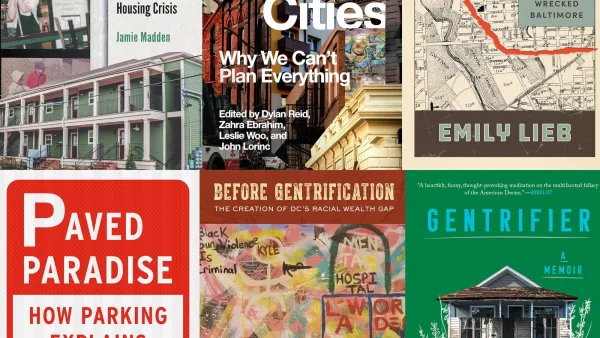
10 great urban planning summer reads
Wherever you're going (or staying) this summer, here are some suggestions for books to bring along.
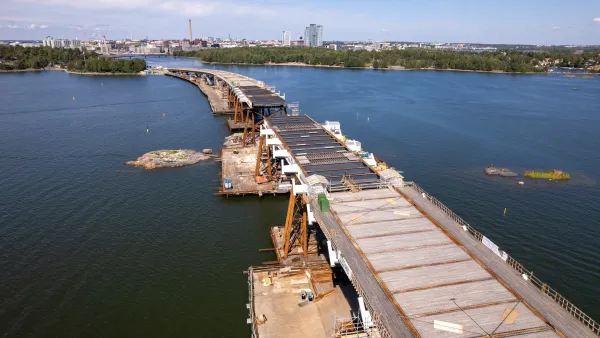
April must-reads: Top 10 articles from last month
The world's longest car-free bridge opens in Finland, Amtrak's new Mardi Gras line shatters ridership predictions, and Bay Area commuters could lose a third of Caltrain stations.

Planetizen Federal Action Tracker
A weekly monitor of how Trump’s orders and actions are impacting planners and planning in America.

California plans to bury El Niño’s downpour
If the state plays its cards right, it may be able to store a billion acre-feet of El Niño’s water in aquifers.

Desperate measures: Advocates weigh draining Lake Powell to fill Colorado River
Draining the reservoir could reduce evaporation losses by a couple hundred thousand acre-feet.

Chicago voters approve permanent festival grounds, penalty for vacant property owners
Currently, major summer and fall festivals take over public parks for weeks at a time, drawing criticism from nearby residents

NYC votes to cut outdoor dining red tape, speed up permitting
New York City also voted to allow the Department of Transportation to begin work on urgent projects before notifying elected officials.

California appears to reject Prop. 45
The proposition would have expanded the projects that qualify for a streamlined environmental review, effectively paring down the California Environmental Quality Act.

FREE Course: Walkable City 1: Why Walkability?
After describing his path towards focusing on walkability as the essence of good planning, Jeff Speck marches through his five principal reasons for making more walkable places.
Reinventing Malls: Planning Alchemy—Turning Gray Fields Into Gold
The course focuses on the opportunities and imperatives that shape reinvention of mall sites.

City of Rosemead
Rutgers University, Edward J. Bloustein School of Planning and Public Policy
One Hundred Miles
Hunter College, City University of New York (CUNY)
The Architects Foundation
University of Cincinnati Online
City of Cambridge
Montrose County
The Pocatello Development Authority