The National Trust for Historic Preservation publishes it's annual list of the best preserved and unique communities in the United States.


"The 12 winning communities met these criteria: well-managed growth, a commitment to historic preservation with a protected historic core and meaningful context, interesting and attractive architecture, cultural diversity, activities for families with children, an economic base of locally-owned small businesses, and walkability for residents and visitors.In each community, residents have taken forceful, concrete actions to protect their town's character and sense of place. Whether by enacting a local preservation law to protect historic buildings against demolition, rewriting zoning codes to prevent commercial sprawl, removing regulatory barriers to downtown housing, making downtown areas more walkable, enacting design standards, or taking some other major step that demonstrates a strong commitment to their town, residents have worked hard to preserve the historic and scenic assets of their communities, with rewards that transcend town limits."
Thanks to Chris Steins
Read the full story: Dozen Distinctive Destinations 2002


Planetizen Federal Action Tracker
A weekly monitor of how Trump’s orders and actions are impacting planners and planning in America.

The state-sanctioned urbicide of Austin
People don’t kill cities. Freeways do.

US to reduce Colorado River water deliveries to Mexico
A new Colorado Treaty amendment reduces Mexico’s Colorado River water allocation by 250,000 acre feet.

Nation's most wind-powered state turns to coal as data centers increase energy demand
For the first time in decades, Iowa has increased its generation of coal power.
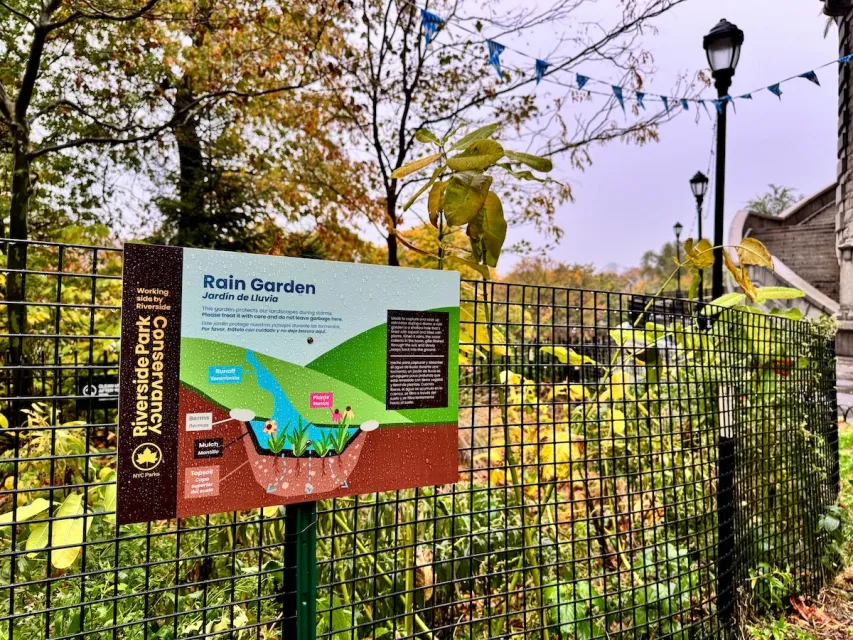
NYC cools commuters with city's first rain garden above a bus stop
New York City officials say the plants in the rain garden can absorb 16 gallons of rainwater during heavy storms.

Brightline West’s future may rely on $6 billion federal loan
The company has until Nov. 2 to make a $400 million equity investment into its proposed high-speed rail line.

FREE Course: Walkable City 1: Why Walkability?
After describing his path towards focusing on walkability as the essence of good planning, Jeff Speck marches through his five principal reasons for making more walkable places.
Reinventing Malls: Planning Alchemy—Turning Gray Fields Into Gold
The course focuses on the opportunities and imperatives that shape reinvention of mall sites.

Greater Baltimore Committee
Eagle County Government
Harvard University Graduate School of Design
The Architects Foundation
University of Cincinnati Online
The Pocatello Development Authority
The Urban Renewal Agency of the City of Pocatello
Journal of the American Planning Association