On a site overlooking the Mississippi River's St. Anthony Falls, where Minneapolis' first sushi bar stands, officials are planning the newest addition to the city's Central Riverfront system of parks.


After 35 years and more than $2 billion in public and private investment, Minneapolis has transformed its downtown riverfront from an industrial zone into a "recreational, cultural and residential magnet". The next phase of that transformation will turn "an inaccessible hill" between West River Parkway and First Street S. into Water Works Park, "whose centerpiece will be the ruins of a former grain mill and the gate house of the original Minneapolis city water works," reports Bill McAuliffe.
"It’s just one part of a long-term overhaul to the Central Riverfront Regional Park that runs along the riverbanks from the 35W bridge upstream to Plymouth Av., and includes or abuts the St. Anthony Main, Guthrie Theater and Mill City Museum areas where numerous apartments and condos have sprung up," he adds. The park will replace Fuji-Ya Japanese restaurant, a city institution that has sat vacant since 1991.
“Now that we have all these new residents down there, people are loving the park to death,” said Minneapolis Park and Recreation Board president Liz Wielinski. “We need to give it a face lift.”
Read the full story: Former Fuji-Ya will yield its riverfront spot to even older landmarks

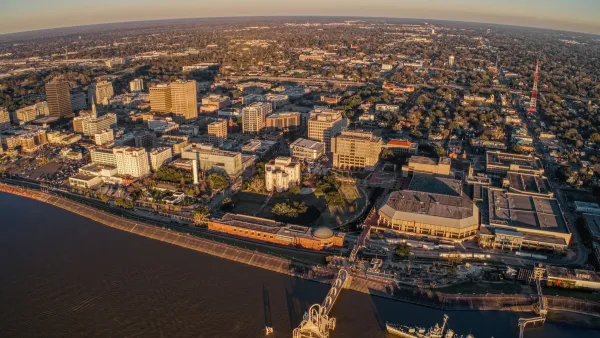
Baton Rouge master plan aims to triple downtown population
The Louisiana capital wants to entice developers to its riverfront district.
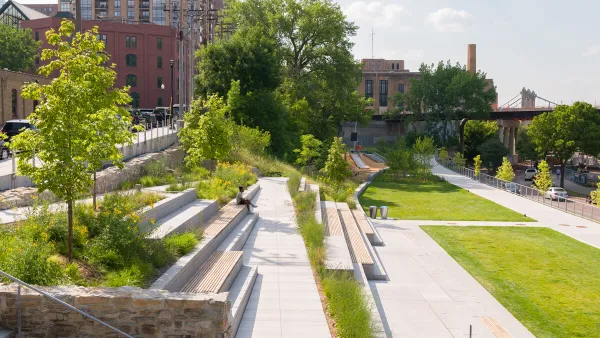
New Minneapolis Park Connects City to the Mississippi River
The newly built Water Works Park and Pavilion incorporates elements of historic mills and provides amenities long absent from the city's waterfront.
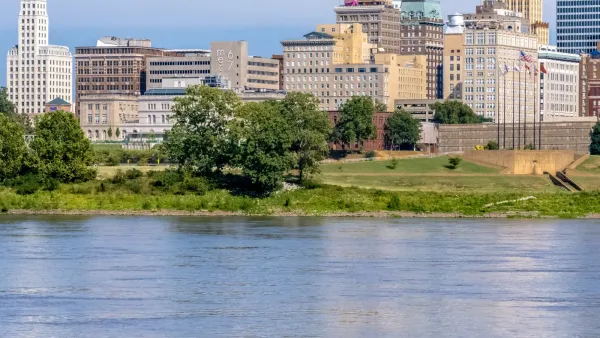
Ensuring Equity in Memphis Riverfront Development
One of the city’s biggest assets is its riverfront, but equity and inclusion need to be an important part of what development brings to residents and communities.

Planetizen Federal Action Tracker
A weekly monitor of how Trump’s orders and actions are impacting planners and planning in America.

‘Going backwards:’ Baltimore mayor, students rally against state's transit funding plan
Maryland's proposed six-year plan provides no funding for Baltimore’s BMORE bus program and reduces its road maintenance funding.

Detroit to transform waterfront with $2.2 billion investment
Developers will convert about 18 acres of unused parking lot space into civic spaces.

U.S.-Iran war may have ‘devastating’ impact on cost to warm homes
Vermont and Maine residents may see a 76% increase in the cost of warming their homes this winter.

Senate bill would ‘overhaul’ environmental permitting laws
Under the proposed act, government agencies would also not be able to suspend or rescind permits after granting them.

Exemption applications for NYC’s pied-à-terre tax see 55% success rate
The city sent nearly 40% of its initial pied-à-terre tax warnings erroneously.

FREE Course: Walkable City 1: Why Walkability?
After describing his path towards focusing on walkability as the essence of good planning, Jeff Speck marches through his five principal reasons for making more walkable places.
Reinventing Malls: Planning Alchemy—Turning Gray Fields Into Gold
The course focuses on the opportunities and imperatives that shape reinvention of mall sites.

One Hundred Miles
County of Mendocino
planning NEXT
The Architects Foundation
University of Cincinnati Online
Montrose County
Northern Illinois Transit Authority (NITA)
The Pocatello Development Authority