For good reason, Coca-Cola is better known for supplying the world with high-calorie sugary drinks than empowering residents of poor countries. By partnering with Qualcomm Technologies to produce the "EKOCENTER" kiosk, that may soon change.


"The Coca-Cola Company plans to erect 150 kiosks in 20 countries that will offer water, electricity and Internet connections; they may also sell Coke and other products," reports Donald G. McNeil Jr.
“We’re calling it a downtown in a box,” said Serena Levy, a company spokeswoman.
An article on Coca-Cola's "Unbottled" blog says that "[e]ach EKOCENTER will offer a locally tailored mix of products, services and resources, including safe drinking water, electricity, wireless communication, refrigerated vaccination storage, health education, and other functionality to jump-start entrepreneurship opportunities and community development."
Read the full story: Coca-Cola Plans Kiosks With Water and Internet

New Applications for 3D Printing: Sanitation and Shelter
Called by some the "third industrial revolution," what are some of the opportunities and costs of applying 3D printing to issues facing the developing world, and more importantly, emergency housing?
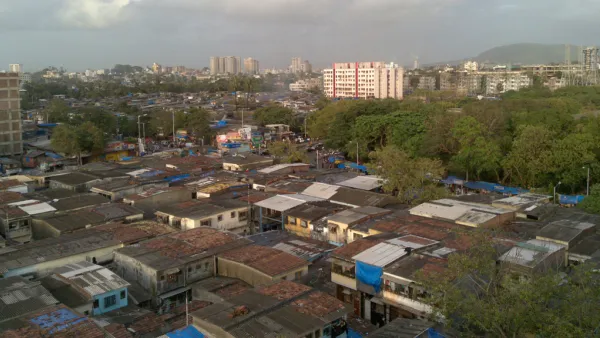
Is Urban Planning Effective in the Developing World?
A common question raised by those working in the developing world is whether urban planning is useful in those environments. Since questions often focus on planning of a comprehensive type, they overlook planning's intrinsic value and flexibility.
How the Internet is Helping Cities in the Western World to Loosen Up
While cities in the developing world embrace the chaos and risk inherent in their informal landscapes, the Western world excels at regulation. But this dynamic is starting to change, to the dismay of incumbent industries and establishment regulators.

Planetizen Federal Action Tracker
A weekly monitor of how Trump’s orders and actions are impacting planners and planning in America.

Amtrak, CN end decades-long dispute with eight-year agreement
The new operating agreement establishes an updated framework for the companies to work together, including processes to resolve disputes.

Judges permit Denver to divert 77,000 acre feet from the Colorado River for reservoir expansion
Overuse and climate change have caused the Colorado River’s water levels to plummet.

Philadelphia to invest $2 billion into upgrading city airports as PHL places last in customer satisfaction
Modernizations to Philadelphia's airports will include baggage system upgrades and a new automated parking garage guidance system.

The LA housing policies making developers turn away from the city
Despite LA’s housing shortage, developers say the city’s "mansion-tax" and pandemic-era policies make it an unappealing place to build housing.

New density bill would require 7 California cities to establish regional transit hubs
The bill would also require major cities in California to permit high-rise residential buildings.

FREE Course: Walkable City 1: Why Walkability?
After describing his path towards focusing on walkability as the essence of good planning, Jeff Speck marches through his five principal reasons for making more walkable places.
Reinventing Malls: Planning Alchemy—Turning Gray Fields Into Gold
The course focuses on the opportunities and imperatives that shape reinvention of mall sites.

City of Wisconsin Rapids
Harvard University Graduate School of Design
KFH Group Inc.
The Architects Foundation
University of Cincinnati Online
The Pocatello Development Authority
The Urban Renewal Agency of the City of Pocatello