As the planet slowly emerges from the global recession, skyscraper construction is surging once again. One area seeking skyline augmentation is a continent that has heretofore shied away from the height race: Africa.


"Across the world, the business of building skyscrapers is making a big comeback as the global economy slowly recovers and the pain of the financial crisis continues to fade," reports Peter Evans. "Supported by innovations in design and engineering and driven by the desire of town planners and developers to make bold architectural statements, these tall towers are springing up at the fastest rate since the financial crisis—and reaching new heights."
"Nearly 600 buildings of at least 200 meters (656 feet) in height, or about 60 stories high, are either under construction or in the planning stages world-wide, according to the Council on Tall Buildings and Urban Habitat. The growth spurt will nearly double the number of buildings 200 meters or taller over the next 10 years."
Writing in the Daily Maverick, Simon Allison says that "Africa, finally, is catching on. Well aware that the title of 'Africa’s tallest building' is the lowest-hanging fruit in the architecture world, governments, companies and architects across the continent are eyeing the prize and putting plans into action." He looks at plans for a 99-story building in Addis Ababa, a 270-meter-high tower in Ghana, and the Symbio-City project in Centurion, South Africa - which would be the tallest building in Africa at 447 meters.
"This glut of new skyscrapers will redefine Africa’s skyline and perhaps challenge a few of those still-prevailing stereotypes about our continent being home to little but wide open plains and dusty villages," he posits.
Read the full story: Skyscraper Builders Reach for the Stars Once Again


The myth of the 'first skyscraper:' How a clever PR campaign duped the world
The lie that laid claim to the skyscraper’s origins is well documented. Why do we still believe it?
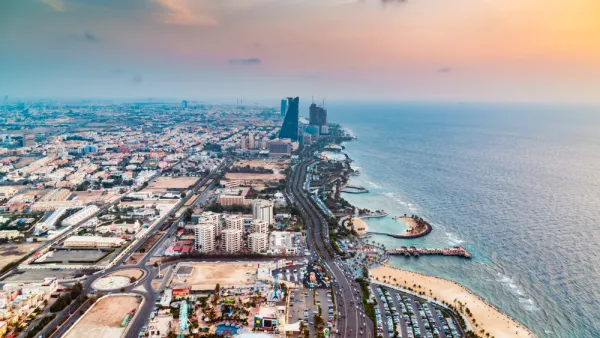
Skyscraper Watch: Where the Tallest Buildings Are Under Construction
Of the 25 tallest buildings currently under construction around the world, only one is foun in the United States. The vast majority are in China.
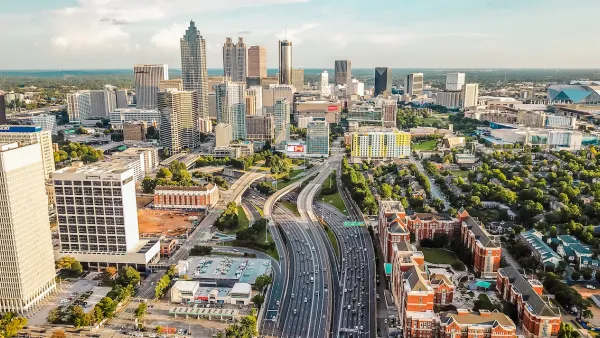
Tallest Skyscraper in 30 Years Proposed in Midtown Atlanta
If approved, a 61-story tower would be the tallest built in Atlanta in three decades.

Planetizen Federal Action Tracker
A weekly monitor of how Trump’s orders and actions are impacting planners and planning in America.

Amtrak, CN end decades-long dispute with eight-year agreement
The new operating agreement establishes an updated framework for the companies to work together, including processes to resolve disputes.

Judges permit Denver to divert 77,000 acre feet from the Colorado River for reservoir expansion
Overuse and climate change have caused the Colorado River’s water levels to plummet.

'Something we’ve never seen before:' rising utility rates could strain city finances nationwide
Data centers, climate change and other factors have caused utility rates in the United States to increase by 38% since 2020.

Trump to overrule local leaders, lease millions of acres of America’s Pacific Island territories’ seafloors to mining companies
International law says that the Indigenous people of America’s territories have a right to prior and informed consent regarding projects that impact their countries.

A ‘shady’ deal: Chicagoans rally against planned Amtrak maintenance facility
The $900 million facility would allow Amtrak to maintain entire trains in one building, which the company says will reduce delays.

FREE Course: Walkable City 1: Why Walkability?
After describing his path towards focusing on walkability as the essence of good planning, Jeff Speck marches through his five principal reasons for making more walkable places.
Reinventing Malls: Planning Alchemy—Turning Gray Fields Into Gold
The course focuses on the opportunities and imperatives that shape reinvention of mall sites.

KFH Group Inc.
Greater Baltimore Committee
Eagle County Government
The Architects Foundation
University of Cincinnati Online
The Pocatello Development Authority
The Urban Renewal Agency of the City of Pocatello