Jane Bradley traces the rise and fall of Scotland-based RMJM. Since completing its crowning achievement, the new Scottish Parliament building, the firm has expanded and contracted, and been rescued from receivership. Can it ever succeed again?


Just four years after architecture firm RMJM began work on the Scottish Parliament, its "zenith" according to one observer, the company that was founded in 1956 was bought by construction tycoon Sir Fraser Morrison as "a toy for his son."
"RMJM immediately began to expand, becoming the fifth largest architecture practice in the world and boasting 17 global bases at its peak," says Bradley. The company was undone by the global credit crunch and some dubious managerial decisions, and went into receivership in October of last year.
"Now, the firm that was rescued from receivership by a new Morrison-owned company called RMJM Architecture some months ago is being swallowed up by Duthus Investments."
Can the firm "rise from the ashes" as some believe? Will it "focus on the overseas market, where the company may be viewed in terms of its portfolio, rather than financial, success"? Only time will tell how this tale will proceed.
FULL STORY: The rise and fall of Scottish architects RMJM


England Begins Second Lockdown to Protect the National Health Service
The day after Election Day in America, the U.K. Parliament voted overwhelmingly to impose a 4-week lockdown in England to ensure that nation's prized healthcare system doesn't collapse due to treating mounting coronavirus infections.
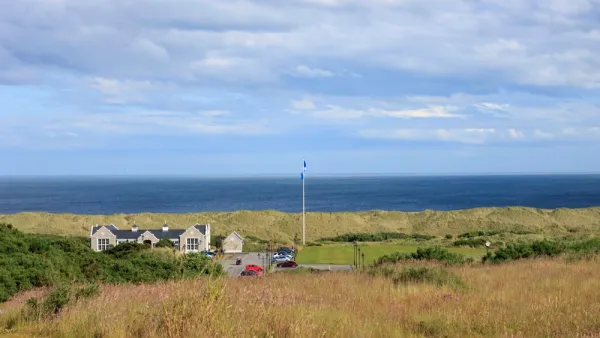
Trump Golf Course Destroyed Protected Scottish Ecosystem
The president promised to protect the unique natural area when he received permission to develop a resort there.
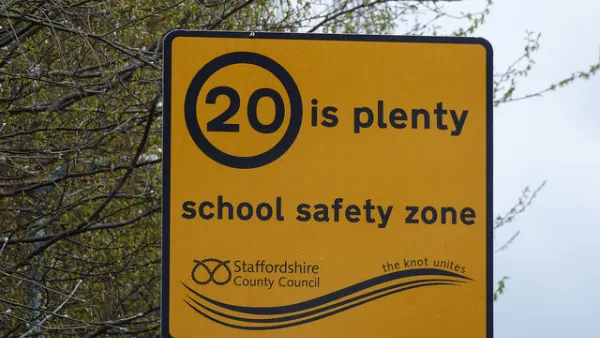
Scotland Could Take '20 Is Plenty' National
It looks very likely that Scotland will take unprecedented action—and global leadership—in the name of traffic safety.

Planetizen Federal Action Tracker
A weekly monitor of how Trump’s orders and actions are impacting planners and planning in America.

The state-sanctioned urbicide of Austin
People don’t kill cities. Freeways do.

US to reduce Colorado River water deliveries to Mexico
A new Colorado Treaty amendment reduces Mexico’s Colorado River water allocation by 250,000 acre feet.

5 New England states march closer to 800 megawatt wind energy project
Securing federal approval for the project may be complicated under the Trump administration, which has historically been hostile towards domestic wind power.

Baltimore to break ground on $50 million Transit Priority Project
The project will bring faster bus trips, safer streets and better bike connections to Baltimore.

Airbnb launches $250 million 'last-dollar financing' housing accelerator, makes first investment in Austin
The company will put $6.4 million towards affordable housing development in Texas’ capital.

FREE Course: Walkable City 1: Why Walkability?
After describing his path towards focusing on walkability as the essence of good planning, Jeff Speck marches through his five principal reasons for making more walkable places.
Reinventing Malls: Planning Alchemy—Turning Gray Fields Into Gold
The course focuses on the opportunities and imperatives that shape reinvention of mall sites.

Eagle County Government
Harvard University Graduate School of Design
Nashville Planning Department
The Architects Foundation
University of Cincinnati Online
The Pocatello Development Authority
The Urban Renewal Agency of the City of Pocatello
Journal of the American Planning Association