Buffalo reporters Maki Becker and Jay Rey look at a Brookings Institution report that reveals the majority of locals living below the poverty line live in the Erie and Niagara county suburbs.


Becker and Ray point to the loss of high-paying manufacturing jobs and the economic slump as the main causes for the increase in suburban poverty:
"The shift of poverty to the suburbs also is a reflection of the general trend of people leaving cities, experts said."
"But while suburban living may provide the poor with access to safer neighborhoods, better schools and proximity to a job, it also puts them farther from social services, nonprofits and philanthropies that are experts in helping the poor."
Read the full story: Suburban plight for poor

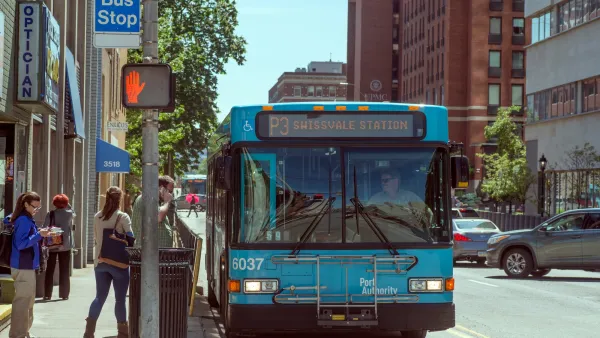
750 Pittsburgh city workers to get free transit passes
City employees working downtown will have access to free transit from Pittsburgh Regional Transit.
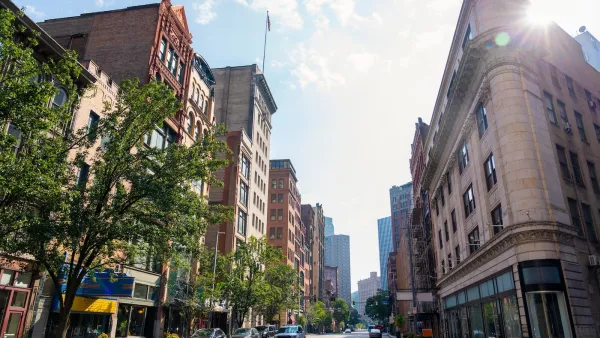
Pittsburgh downtown tax diversion plan draws criticism for lack of transparency
A proposed new development tax faces opposition from transit advocates.
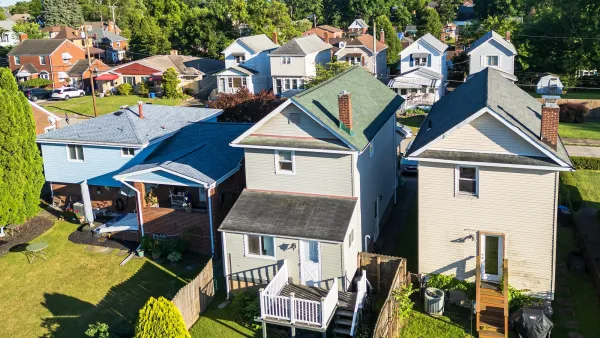
Pittsburgh Median Home Price is Lowest in the US at $250K
After the collapse of the U.S. steel industry, the city was left with a glut of affordable homes.

Planetizen Federal Action Tracker
A weekly monitor of how Trump’s orders and actions are impacting planners and planning in America.

‘Going backwards:’ Baltimore mayor, students rally against state's transit funding plan
Maryland's proposed six-year plan provides no funding for Baltimore’s BMORE bus program and reduces its road maintenance funding.

Detroit to transform waterfront with $2.2 billion investment
Developers will convert about 18 acres of unused parking lot space into civic spaces.

HUD, USDA agree on framework to simplify housing environmental review standards
Their agreement is a requirement of the 21st Century ROAD to Housing Act.

Cost of water rising at a faster pace than inflation, median household income
California and Maryland residents have seen their water bills grow especially high.

NYC building owners overwhelmingly comply with new emissions limits
The New York City Department of Buildings is fining owners who did not file emissions reports.

FREE Course: Walkable City 1: Why Walkability?
After describing his path towards focusing on walkability as the essence of good planning, Jeff Speck marches through his five principal reasons for making more walkable places.
Reinventing Malls: Planning Alchemy—Turning Gray Fields Into Gold
The course focuses on the opportunities and imperatives that shape reinvention of mall sites.

City of Thousand Oaks
City of Wisconsin Rapids
Harvard University Graduate School of Design
The Architects Foundation
University of Cincinnati Online
Northern Illinois Transit Authority (NITA)
The Pocatello Development Authority
The Urban Renewal Agency of the City of Pocatello