Motivated by factors such as municipal incentive packages and the changing preferences of younger workers, many companies are relocating to central business districts, reversing a post-war trend that based the American workplace in the suburbs.


According to a report in The Wall Street Journal, office buildings in central metropolitan areas are on the upswing. Yes, even in Detroit. Many city office buildings have stopped losing tenants as companies vacate suburban office parks in favor of urban areas with ever-increasing amenities. While most office workers nationwide continue to work in suburban areas, which contain nearly twice as much office space as central business districts, many experts and development professionals believe a large shift is under way as the American workplace begins to move back to the city.
" 'Young people don't want to be out on the fringe...and as people are beginning to figure that out, it's beginning to get factored into office relocations,' said Christopher Leinberger, a real-estate developer and a visiting fellow at the Brookings Institution. 'It's a major structural trend that we in real estate are going to have to adjust to.' "
Read the full story: Downtowns Get a Fresh Lease

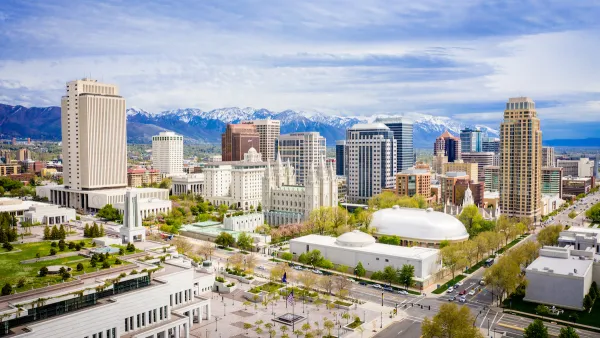
How Salt Lake City Maintained a Vibrant Downtown
Unlike other major cities, the Utah capital’s downtown has seen a steady stream of visitors even as demand for office space diminishes.
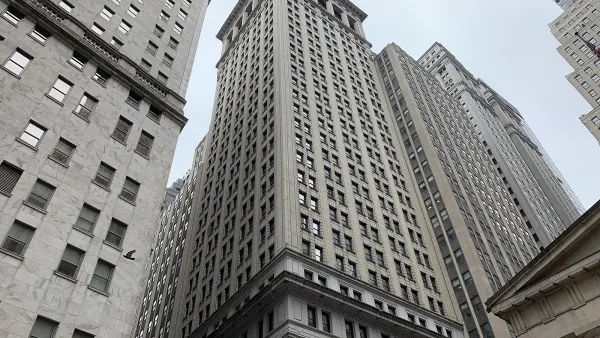
Office Landlords Luring Tenants Back With Incentives
Landlords are offering generous incentives in an effort to prop up the struggling U.S. office market.
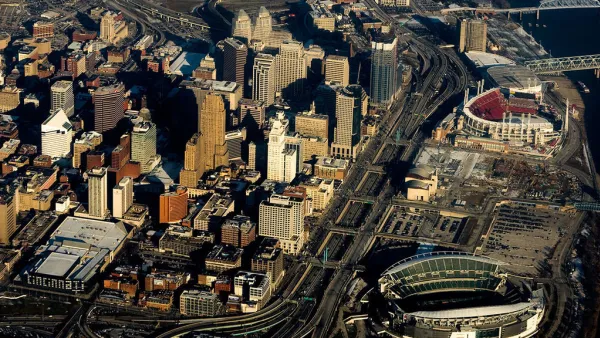
Why Central Business Districts Need Diverse Users
Central districts benefit from diversity, but a century of disinvestment and exodus has put many in a precarious position.

Planetizen Federal Action Tracker
A weekly monitor of how Trump’s orders and actions are impacting planners and planning in America.

Chicago breaks ground on $3 billion megadevelopment
The new neighborhood, titled Foundry Park, will one day host 3,700 residences.

This MA town is drowning in its own sewage — and residents like it that way
Susan Murcott, a waste water expert, said if Carlisle didn't address their leaking sewage, the problem could turn “deadly.”

Iowa taxpayers are paying thousands to clean manure out of their water
While the Clean Water Act makes states responsible for regulating factory farms that discharge pollutants, Iowa has turned a blind eye to the polluting farms.

Amtrak cuts ribbon on Seattle Airo maintenance facility
The $250 million, nearly 100,000-square-foot building can house an entire Cascades Airo trainset.

To power data centers, Google seeks autonomous control of thousands of homes’ electricity
The tech company has signed a deal to indirectly pay Mid-Atlantic residents to reduce their power demand when the grid is strained.

FREE Course: Walkable City 1: Why Walkability?
After describing his path towards focusing on walkability as the essence of good planning, Jeff Speck marches through his five principal reasons for making more walkable places.
Reinventing Malls: Planning Alchemy—Turning Gray Fields Into Gold
The course focuses on the opportunities and imperatives that shape reinvention of mall sites.

City of Rosemead
Rutgers University, Edward J. Bloustein School of Planning and Public Policy
One Hundred Miles
The Architects Foundation
University of Cincinnati Online
Montrose County
The Pocatello Development Authority
The Urban Renewal Agency of the City of Pocatello