Carol Coletta explains how improving education, lowering VMT and alleviating poverty by as little as 1% each could mean billions of dollars for cities.


AT CEOs for Cities, where Coletta is president, they refer to this margin of improvement as the City Dividend.
At a recent speech, Coletta explained: "As we toured 105 cities last year, we were able to show each metro area what their own local City Dividends amounted to. And in all cases, they were substantial. In Chicago, achieving the City Dividends – those relatively small improvements in performance in three key areas – is worth $7.2 billion. In Dallas, Texas, it's worth $4.6 billion. In San Jose, home to Silicon Valley, it's worth $1.4 billion.
In fact, in most communities, the Talent Dividend alone was worth more than the payroll of the largest private employer in the metro area."
Read the full story: Carol Coletta: Innovative Cities
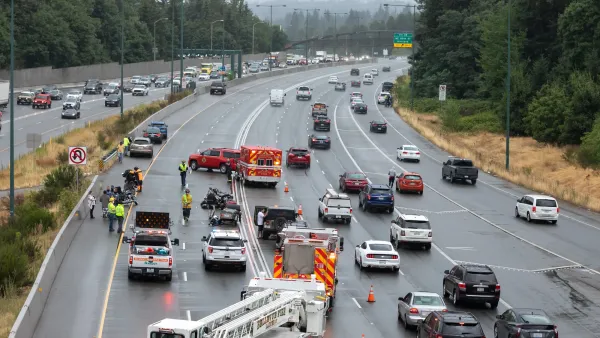
Commentary: Counting Road Deaths by VMT Minimizes the Harm and Normalizes Traffic Violence
When measured per capita, traffic fatalities in the United States far outstrip those in peer countries.
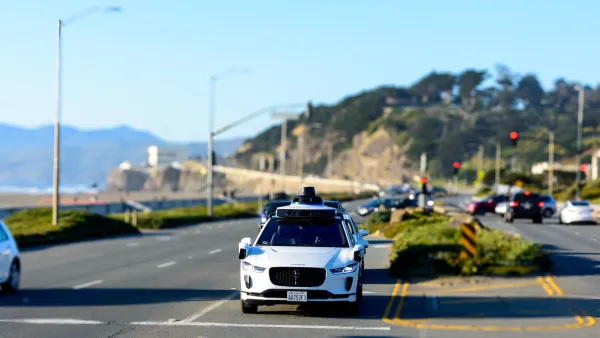
Study: Self-driving Cars Could Raise VMT by 6%, Increasing Congestion
The study contradicts early predictions that AVs would reduce driving miles.
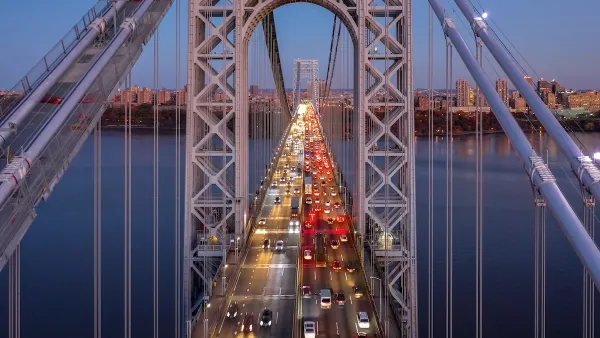
Vehicle Miles Travelled, Level of Service, and a Soon-to-be-Insolvent Transportation Trust Fund
Level of Service and the gas tax have served our transportation needs for a long time. Now, it’s time for a change.

Planetizen Federal Action Tracker
A weekly monitor of how Trump’s orders and actions are impacting planners and planning in America.

Eastern Nebraska is running out of electricity
Data centers and electrification are straining eastern Nebraska’s grid, throttling economic development.

Study reveals best places in the U.S. for cycling, walking
New research from Streetlight Data examines bicycle and pedestrian miles per capita in the 100 largest U.S. cities by population.

DSA members accuse Mamdani of 'abandoning values' over housing redevelopment
New York City's mayor plans to replace about 2,000 units of public housing with private, mixed-income housing.

All sides of BRT debate unhappy with CDOT’s most recent move
The Colorado Department of Transportation is no longer considering center-running bus lanes for Colorado Boulevard.

Massachusetts bogs generate both power, and cranberries
Putting solar panels above farmland is one way Massachusetts is advancing toward its goal of net-zero carbon emissions by 2050.

FREE Course: Walkable City 1: Why Walkability?
After describing his path towards focusing on walkability as the essence of good planning, Jeff Speck marches through his five principal reasons for making more walkable places.
Reinventing Malls: Planning Alchemy—Turning Gray Fields Into Gold
The course focuses on the opportunities and imperatives that shape reinvention of mall sites.

City of Rosemead
Rutgers University, Edward J. Bloustein School of Planning and Public Policy
One Hundred Miles
University of Michigan School for Environment and Sustainability (SEAS)
Hunter College, City University of New York (CUNY)
The Architects Foundation
City of Cambridge
The Pocatello Development Authority
The Urban Renewal Agency of the City of Pocatello