Can historic preservation make room for evolution, and even change? UNESCO's Cultural Landscapes designation attempts to leave room for places to evolve without losing their character.


ASLA talks with Francesco Bandarin, Director of the UNESCO World Heritage Centre. He explains that the World Heritage Cultural Landscape designation is meant to identify "a special relationship between man and nature."
Bandarin says, "What we aren't trying to do is freeze a landscape. We are completely aware that although our task is linked to conservation, the world evolves and the vision of heritage changes. It's very important that we include in our vision, practice, and statutory work, a concept that allows for the interpretation of modern needs, and the values that are involved in cultural landscapes. These values are something that can be preserved, but within an evolving society.
I think this is the challenge: preserving values in a changing environment."
Read the full story: Interview with Franceso Bandarin, UNESCO World Heritage, on Cultural Landscapes

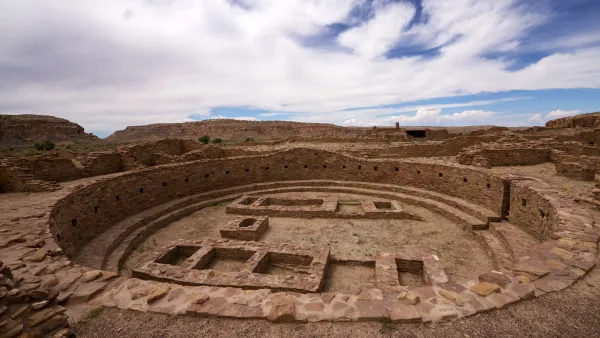
Trump to allow drilling, mining near world heritage site
A UNESCO spokesperson said the world heritage committee has consistently considered mining and drilling near sites to be “incompatible with world heritage status.”
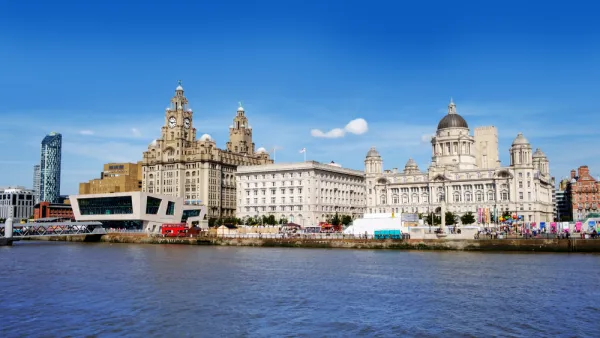
Liverpool Could Lose UNESCO World Heritage Status
New and planned developments are risking the integrity of Liverpool's historic waterfront, according to the United Nations Education, Scientific and Cultural Organisation (UNESCO).
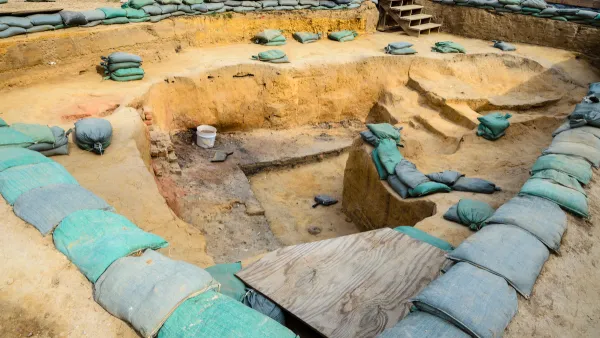
Researchers Warn Historic Sites Could Be Washed Away By Rising Seas
Researchers have created a digital database of archaeological sites in the U.S.—and thousands could be lost to sea-level rise.

Planetizen Federal Action Tracker
A weekly monitor of how Trump’s orders and actions are impacting planners and planning in America.

The state-sanctioned urbicide of Austin
People don’t kill cities. Freeways do.

Colorado’s Largest Data Center Could Rise Next to Homes — Without a Public Hearing
The proposed campus would consume 11 times the power of Denver International Airport; as it has across the country, opposition mounts.
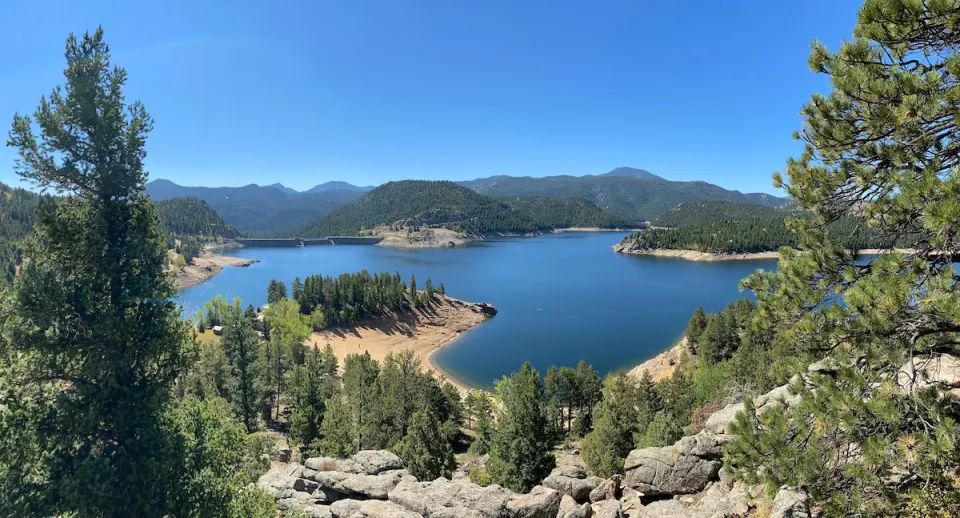
Judges permit Denver to divert 77,000 acre feet from the Colorado River for reservoir expansion
Overuse and climate change have caused the Colorado River’s water levels to plummet.

Amtrak, CN end decades-long dispute with eight-year agreement
The new operating agreement establishes an updated framework for the companies to work together, including processes to resolve disputes.

Raised interest rates may kill financially vulnerable construction projects
The chief economist at ConstructConnect warns that if construction project owners are negatively impacted by the raised rates, it could result in delayed payments to contractors.

FREE Course: Walkable City 1: Why Walkability?
After describing his path towards focusing on walkability as the essence of good planning, Jeff Speck marches through his five principal reasons for making more walkable places.
Reinventing Malls: Planning Alchemy—Turning Gray Fields Into Gold
The course focuses on the opportunities and imperatives that shape reinvention of mall sites.

Greater Baltimore Committee
Eagle County Government
Harvard University Graduate School of Design
The Architects Foundation
University of Cincinnati Online
The Pocatello Development Authority
The Urban Renewal Agency of the City of Pocatello
Journal of the American Planning Association