Niles, Michigan has managed to build jobs and add businesses to its Main Street over the past five years. How did they do it? Wayne Senville of the Planning Commissioners Journal stopped by on his tour around the U.S.A.


"The City tried urban renewal in the 1970s, tearing out one large corner of downtown. By 2000, downtown vacancies were over 25 percent. The Main Street organization has been at the heart of the turnaround. As Lisa describes it, the change resulted from lots of one-on-one conversations, trying to convince residents that downtown was worth saving: "we went to people who had given up on downtown, and we re-engaged them, and we got the community to realize that local businesses will be there only if you shop there, if you want them to stay, you've got to support them.""
Read the full story: A Main Street Succeeds in Tough Times

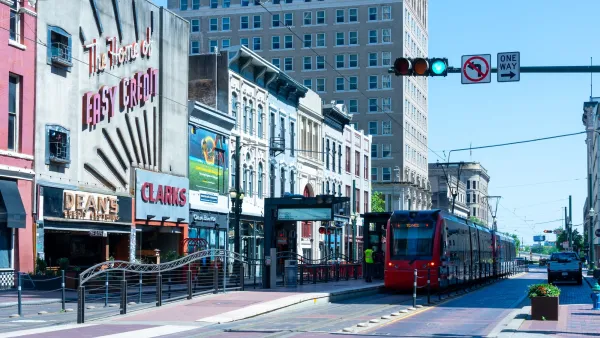
Houston's pedestrian promenade on track to be ready for World Cup crowds
The city is transforming seven downtown blocks along a light rail line into a car-free zone focused on outdoor dining and entertainment.
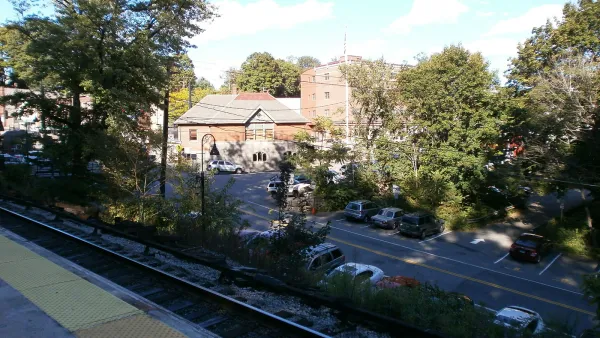
Main Street Redevelopment Hopes To Lure NYC Commuters to Village of Brewster
Officials in the Village of Brewster, a community of just over 2,000 people in New York's Putnam County, hope a redesign of their downtown will attract new residents who want to escape the clamor of the city.
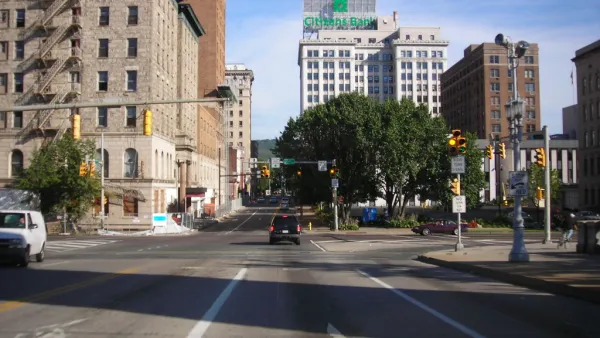
How Some Main Street Businesses Survived the Pandemic
Despite the economic blow dealt by last year's lockdowns, business districts in smaller cities like Wilkes-Barre managed to weather the crisis.

Planetizen Federal Action Tracker
A weekly monitor of how Trump’s orders and actions are impacting planners and planning in America.

Amtrak, CN end decades-long dispute with eight-year agreement
The new operating agreement establishes an updated framework for the companies to work together, including processes to resolve disputes.

Judges permit Denver to divert 77,000 acre feet from the Colorado River for reservoir expansion
Overuse and climate change have caused the Colorado River’s water levels to plummet.

NYC DOT wants faster, more permanent street upgrades
The city is examining ways to build more concrete infrastructure without getting entangled in 'decades-long' projects.

'Something we’ve never seen before:' rising utility rates could strain city finances nationwide
Data centers, climate change and other factors have caused utility rates in the United States to increase by 38% since 2020.

Trump to overrule local leaders, lease millions of acres of America’s Pacific Island territories’ seafloors to mining companies
International law says that the Indigenous people of America’s territories have a right to prior and informed consent regarding projects that impact their countries.

FREE Course: Walkable City 1: Why Walkability?
After describing his path towards focusing on walkability as the essence of good planning, Jeff Speck marches through his five principal reasons for making more walkable places.
Reinventing Malls: Planning Alchemy—Turning Gray Fields Into Gold
The course focuses on the opportunities and imperatives that shape reinvention of mall sites.

Harvard University Graduate School of Design
KFH Group Inc.
Greater Baltimore Committee
The Architects Foundation
University of Cincinnati Online
The Pocatello Development Authority
The Urban Renewal Agency of the City of Pocatello